


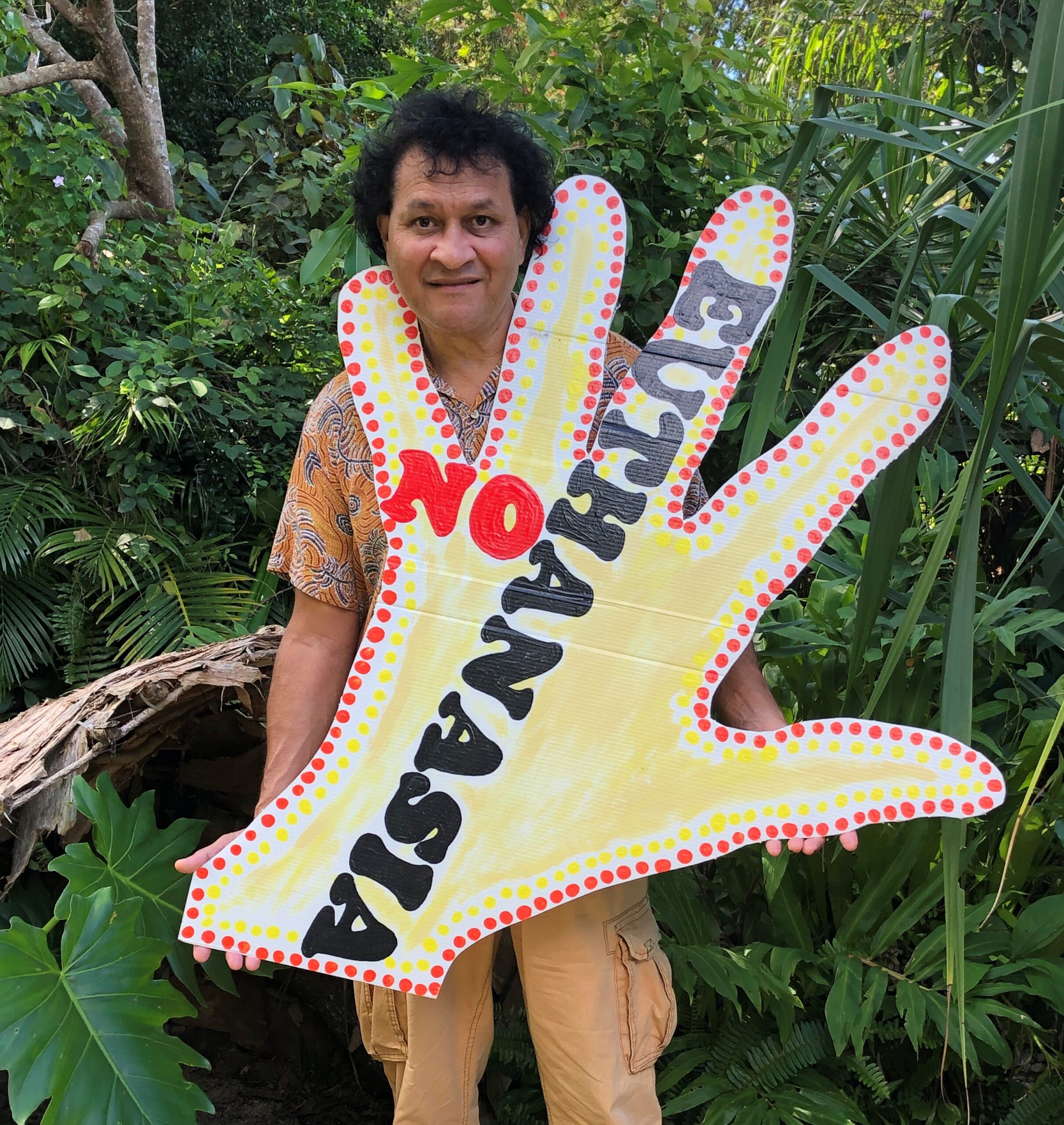
Anti-Euthanasia: Listening to the Voice of First Nations Peoples
Munganbana Norman Miller, Convenor of the Voice of First Nations Peoples Against Euthanasia, said from Cairns today:
“We need to protect our elders, First Nations and others, from the Queensland government’s plans to legalise euthanasia in the form of Voluntary Assisted Dying legislation, and I am marching with a “No Euthanasia” banner in today’s NAIDOC March in Cairns.”
“I am of the Jirrbal, Bar-Barrum and Tableland Yidinji tribes,” said Munganbana, who has an art gallery in Cairns, “and First Nations People need a Voice in this debate.
“Other prominent First Nations leaders have expressed similar concerns, notably the federal minister for Indigenous Australians, Ken Wyatt, and Senator Pat Dodson, though on different sides of politics. Warren Mundine has also opposed it. Ken and Pat have both said that the sanctity of life is a big issue for Indigenous people, and had been for western society till this change which has been taking place around Australia.
The job of the medical profession is to save lives, not be used by the government for state-sanctioned killing of elderly and disabled people, or young people feeling depressed and wanting to end it all. Once the government and the medical profession give up their duty to protect life, then we are on a slippery slope.
Queensland already has the second highest suicide rate in Australia. Do we want to add to that? Instead, we should be providing high quality palliative care to those who need it. Palliative care is greatly underfunded.
Every Queenslander has the human right to have equal access to good quality palliative care before a policy default to euthanasia. First Nations peoples in Queensland, particularly remote communities, require urgent boosting of funding for palliative care.
For Aboriginal and Torres Strait Islander people, our connection to a spiritually defined country or land is vital. Our identity is based on the land or marine habitat we come from and the people of that land we are affiliated with, past, present and future. We are connected through the story places of our country, passed down through generations.
So, to die in a hospital in Cairns or elsewhere, a long way away from our country, kin and community is a tragedy. That’s why we need better palliative care in our communities. We do not want a lonely death in a strange place where we cannot practise our customs.
It is hard enough for many First Nations people to cope with the medical system where control over our lives seems to be taken from us and given to doctors and nurses. This loss of control and reduced health to make sound decisions leaves us vulnerable. But to add to this the expectation that we should choose to die early in assisted suicide or VAD, so that we are no longer a burden, is disgraceful. This leaves our people open to pressure.
For First Nations Peoples, death is a community matter, not just an individual decision. The death of a person puts their whole community into mourning and normal business is stopped so “sorry business” can be observed.
Government-sponsored death is a disgrace and a tragedy for First Nations Peoples and our community-based culture.
The legislation should pass the Public Interest Test, which has three concepts — the common good, human dignity and autonomy. Understanding the public interest also requires us to engage with our First Nations Peoples with this conversation.
Rushing to introduce euthanasia when rising suicide rates are a national problem is hard to understand and against the public interest, especially for First Nation Peoples.
Regarding autonomy when it comes to people with disability, the aged and the terminally ill, there are many pressures to reduce their autonomy by encouraging assisted suicide, or the no-treatment option which results in death.
Assisted suicide and euthanasia are illegal in Queensland. Let’s keep it that way and provide better palliative care.
For those who say that euthanasia/VAD will allow people to choose to die by lethal injection to reduce their suffering and die with dignity, good palliative care is the answer as it can reduce suffering and preserve dignity and freedom.
“There is the danger that euthanasia/VAD will lead to abuse of vulnerable people, undermine public interest through state-sanctioned killing, increase suicide rates as acceptability rises, and undermine the core values and trust in medicine,” said Munganbana.
Recent Articles:

27 October 2026
1.5 MINS
Labor’s Digital Duty of Care Bill threatens free speech, empowers covert online surveillance, and imposes potentially burdensome regulations on Australian businesses.
27 October 2026
10.3 MINS
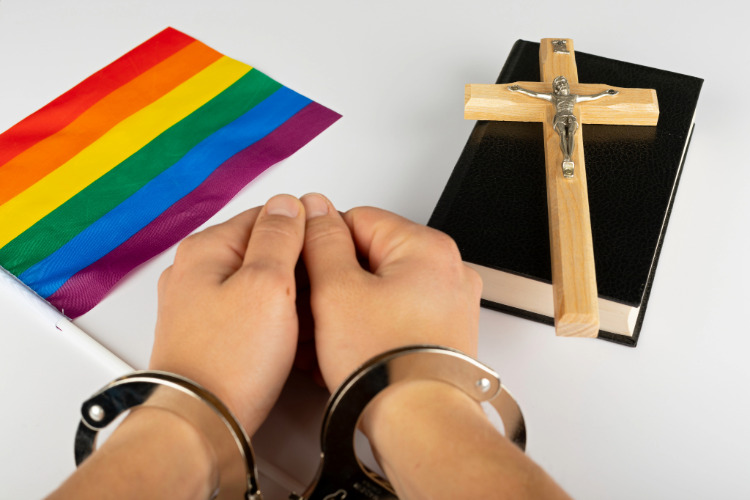
As Tasmania and Western Australia consider conversion therapy bans, a former LGBT+ ministry leader warns of threats to religious freedom, personal choice and Christian discipleship.
27 October 2026
1.3 MINS
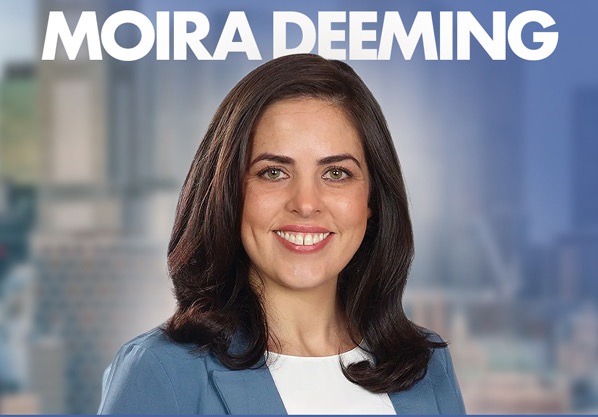
Moira Deeming’s re-election campaign has energised Family First supporters, raising $90,000 as the party prepares for a crucial Victorian election and a potential breakthrough.
27 October 2026
3.1 MINS
As the disciples discovered through a huge haul of fish, we can trust Jesus for a net-breaking, boat-sinking catch of people.
26 October 2026
4.5 MINS
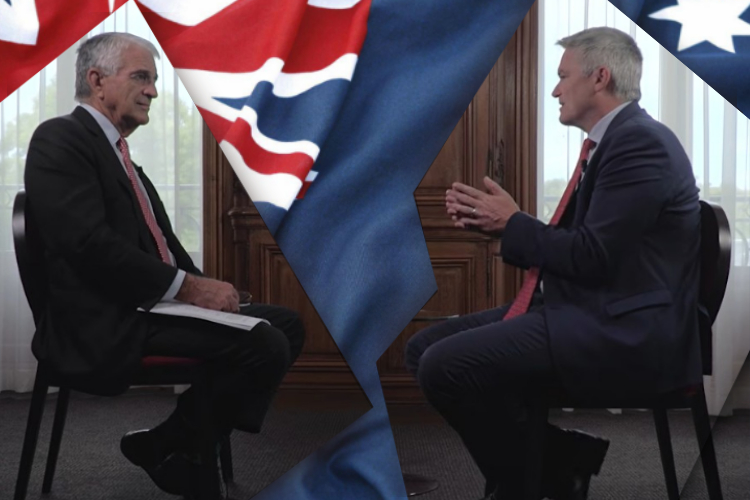
OECD chief Mathias Cormann warns Australia is losing its competitive edge, as excessive regulation, housing pressures, immigration challenges and declining public trust threaten national prosperity.
26 October 2026
2.5 MINS
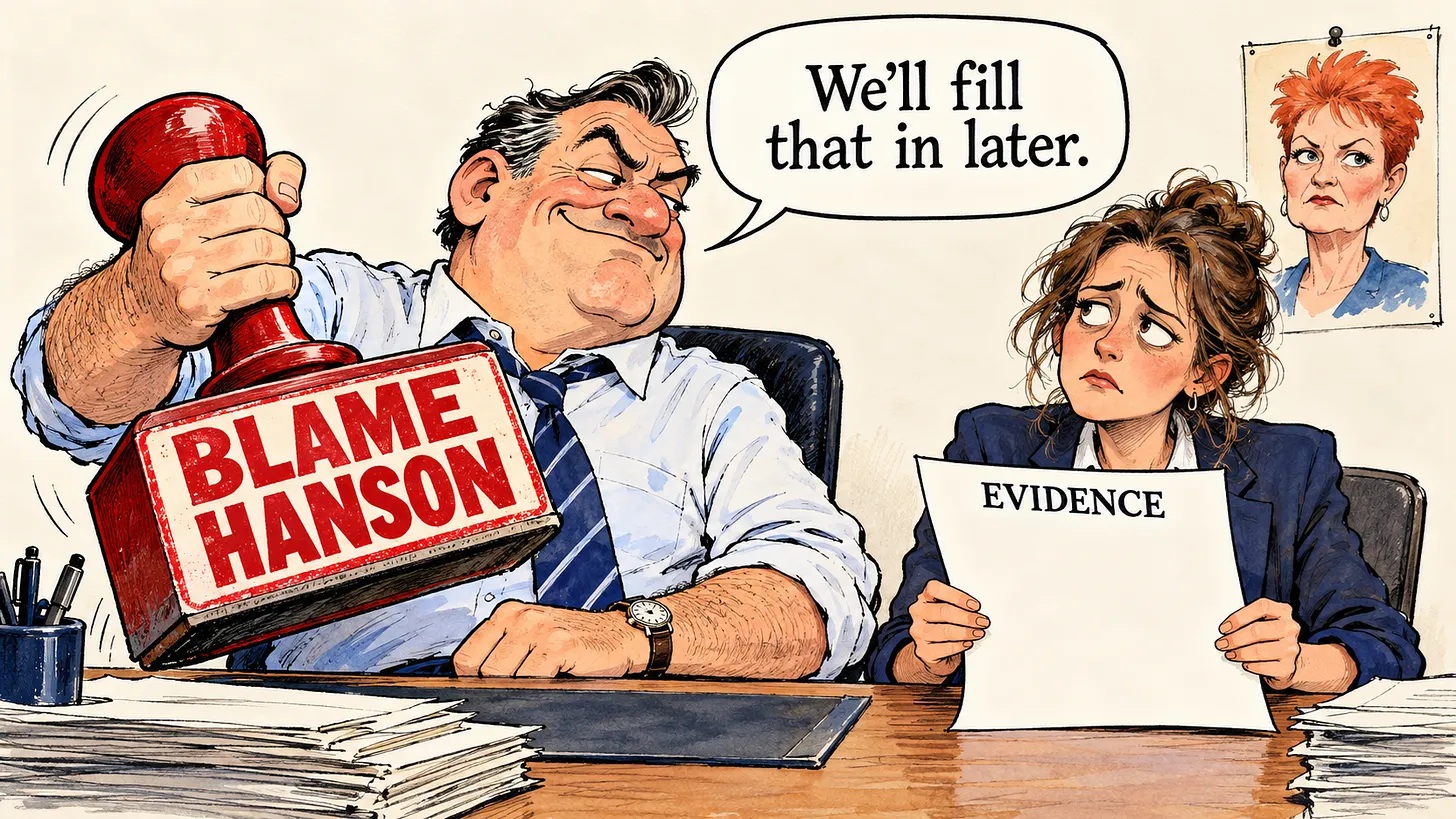
Nation First exposes the rush to weaponise the Haines attack against Pauline Hanson, conservative voices and men before investigators established a motive.
26 October 2026
5.1 MINS
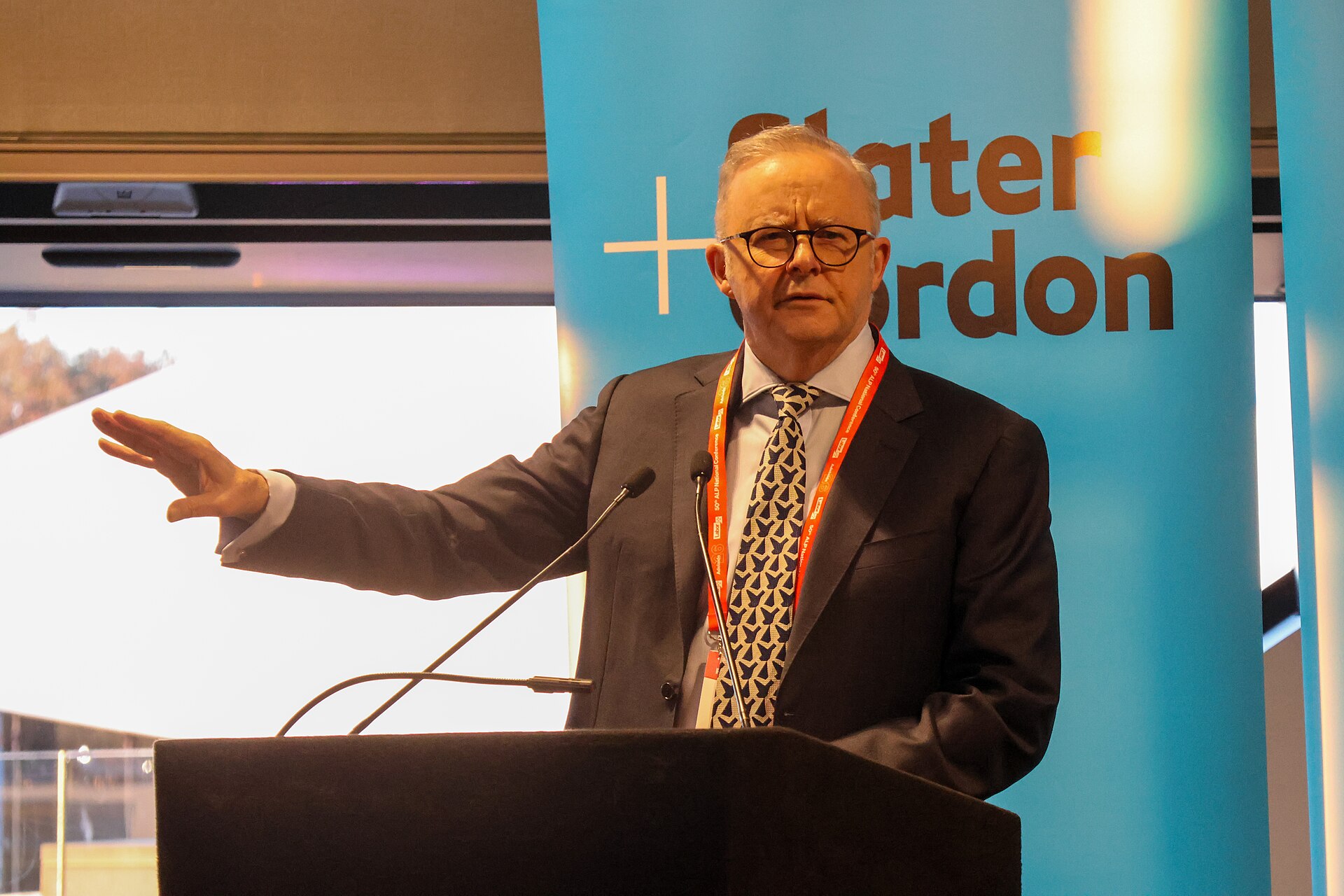
Anthony Albanese calls for civility after the Helen Haines attack, but revelations of a political dirt file raise uncomfortable questions about his government’s own conduct.


