Elon Musk’s Acquisition of Twitter a Win for Free Speech
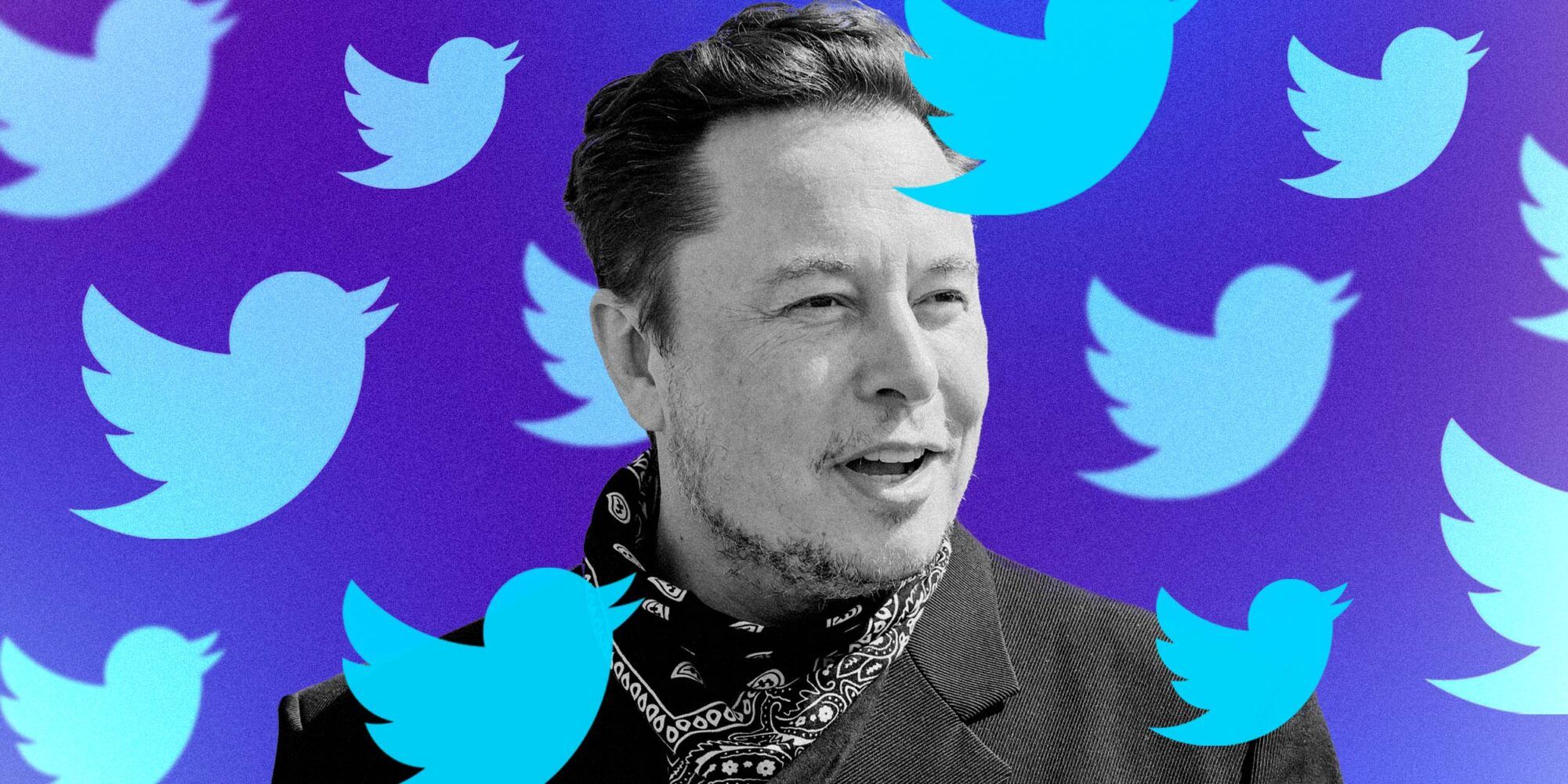
Elon Musk, the world’s richest man, has struck a deal to buy Twitter for $61.4 billion dollars in what could be a positive development for free speech on social media.
This morning, the social media world awoke to the news that Elon Musk, a tech entrepreneur and the founder of SpaceX and Tesla, had successfully made a deal to buy Twitter for $61.4 billion Australian dollars.
Although Twitter has a small user base (200 million) compared with the other major social networks like Facebook, Instagram and TikTok, it is still an immensely popular network, particularly with celebrities (like Elon Musk himself, who alone has 84 million followers).
But Twitter has faced criticism over its regulation of certain individuals; most notably former US President Donald Trump, who was banned from the platform in the wake of the Capital Hill attacks.
Significantly, Elon Musk, who has been trying to acquire Twitter for some time, has been outspoken in support of free speech, claiming that he intends to shape Twitter into a more free speech-friendly platform.
Musk recognises that free speech ‘is the bedrock of a functioning democracy’ and sees Twitter as ‘the digital town square where matters vital to the future of humanity are debated’.
Musk has big plans for Twitter, wanting to improve its transparency and increase trust in the network:
“I also want to make Twitter better than ever by enhancing the product with new features, making the algorithms open source to increase trust, defeating the spam bots, and authenticating all humans. Twitter has tremendous potential — I look forward to working with the company and the community of users to unlock it.”
🚀💫♥️ Yesss!!! ♥️💫🚀 pic.twitter.com/0T9HzUHuh6
— Elon Musk (@elonmusk) April 25, 2022
Musk’s deal to buy Twitter has inevitably met with opposition, with many threatening to leave the platform due to his acquisition.
Charles M. Blow, a New York Times columnist and journalist, tweeted that the deal ‘will be just the push’ he needed to convince him to leave Twitter.
Looks like I’m about to say goodbye to Twitter as well. I’ve been pulling back a bit from social media anyway. This will be just the push I need to go all the way on this app. https://t.co/QkwIsYy6zS
— Charles M. Blow (@CharlesMBlow) April 25, 2022
Actress and writer Yvette Nicole Brown responded to Blow’s tweet, stating that she would follow suit and help to fight ‘against what @twitter is about to become’.
I’m leaving too friend. I joined a site called https://t.co/9N5UIwfEUd it appears to be fighting against what @twitter is about to become.
— yvette nicole brown (@YNB) April 25, 2022
It makes one wonder why so many people are so opposed to a ‘free speech’ platform that they need to fight against it.
Nonetheless, many see it as a step in the right direction for social networks. To signify his commitment to free speech, Musk tweeted that he hoped that even his ‘worst critics remain on Twitter, because that is what free speech means’.
I hope that even my worst critics remain on Twitter, because that is what free speech means
— Elon Musk (@elonmusk) April 25, 2022
Conservative commentator Ben Shapiro outlined the concerns many have had over Twitter’s current algorithms and lack of transparency.
Twitter has said that the deal was unanimously approved by its board.
Undoubtedly, the world will watch with anticipation as Musk begins to make significant changes to the Twitter platform. Many will look on with the hope that Twitter 2.0 will become a bastion of free speech in the world of Big Tech.
___
Photo: Getty Images
Recent Articles:
24 November 2026
2 MINS
A national Christian declaration against antisemitism is being launched in the wake of the Bondi massacre, calling believers to prayer, unity and practical action.

24 November 2026
4.1 MINS
US lawmakers and the State Department are pressing Egypt to free Christian convert Said Abdelrazek, while the Albanese government faces mounting criticism for its silence.
24 November 2026
3.4 MINS
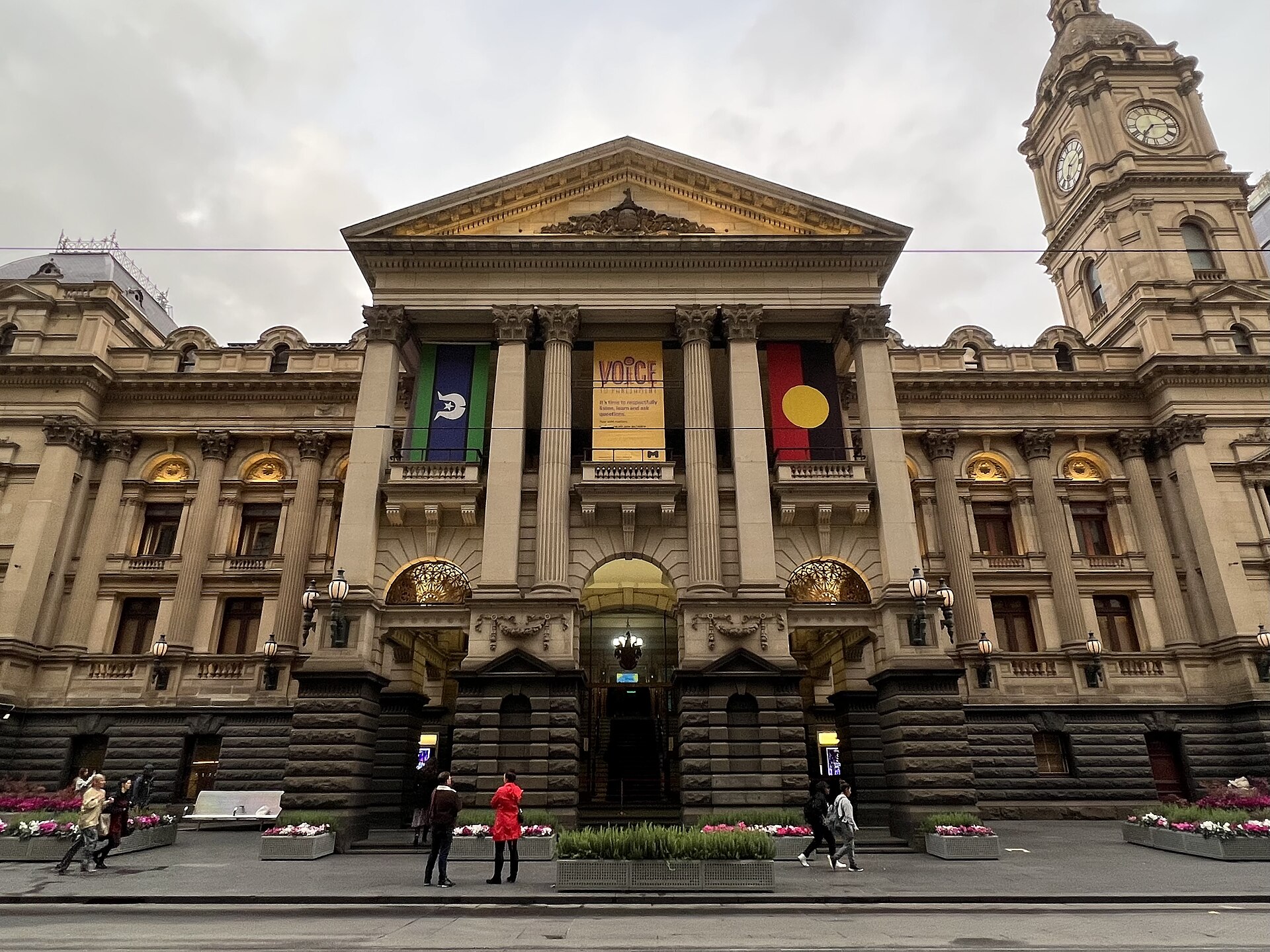
Victoria’s controversial Treaty faces growing opposition, with One Nation and the Liberals pledging to scrap it, arguing voters have already rejected race-based political representation.
23 November 2026
4.2 MINS
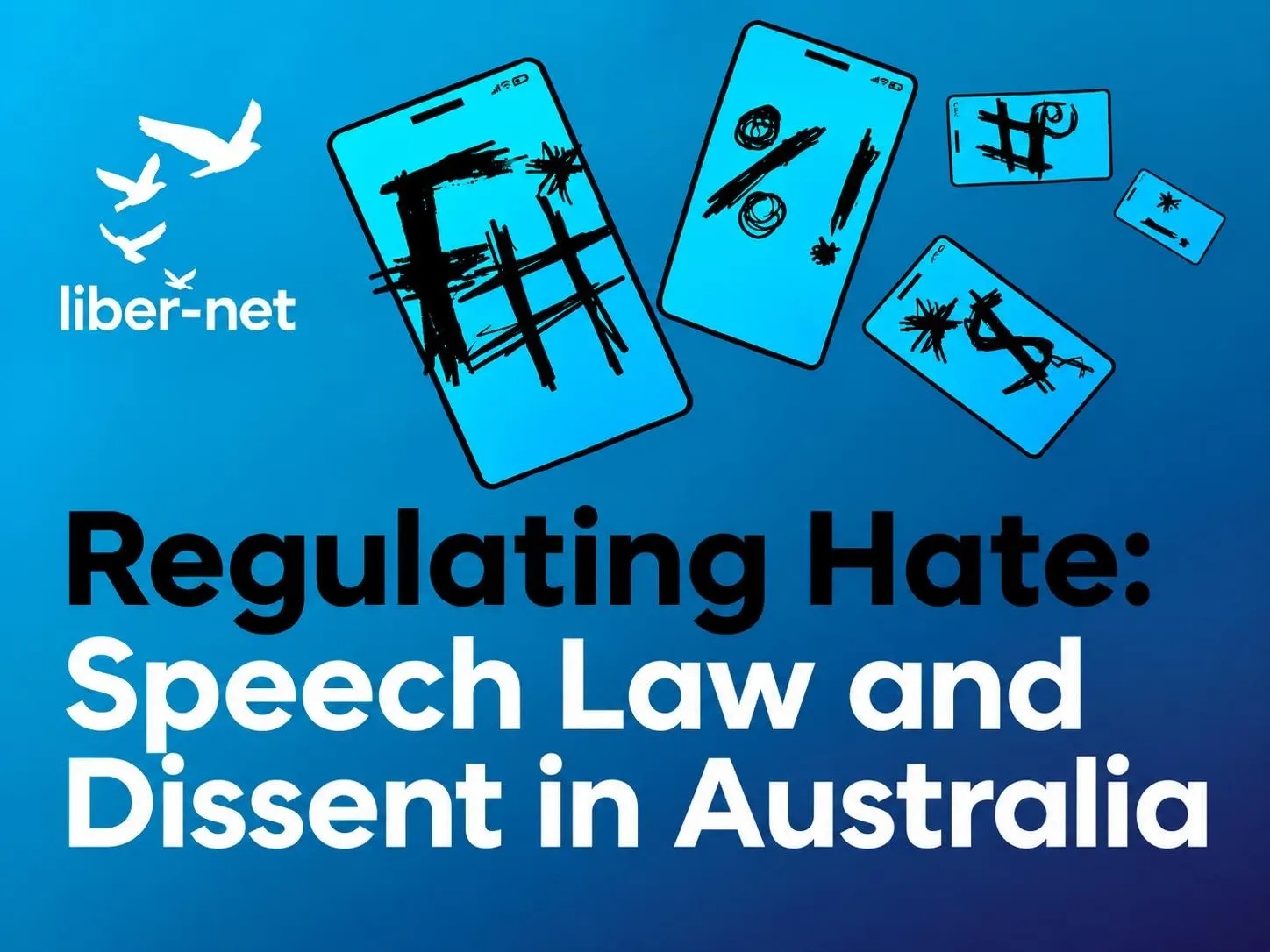
Australia’s expanding hate speech laws and online controls are raising serious questions about free expression, democratic freedoms and the future of multiculturalism in Australian society.
20 November 2026
7.7 MINS
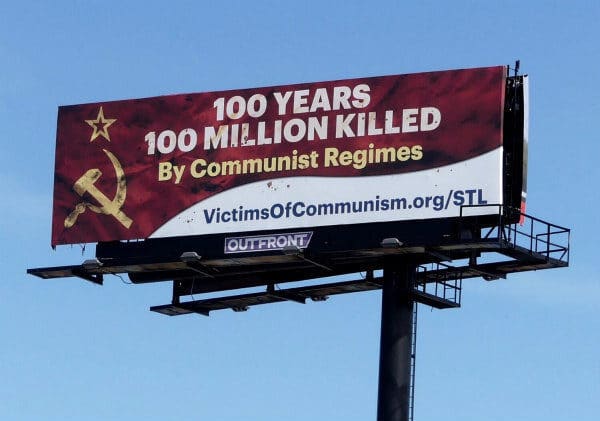
A revised edition of "Unhumans" examines the history, tactics and ideological foundations of communist revolutions, warning of socialism’s growing influence and its hostility to Christianity.

18 November 2026
2.9 MINS
Australia’s proposed digital duty of care bill aims to protect children online, but Catholic and Anglican bishops warn its vague provisions could threaten religious freedom and free speech on the internet.
18 November 2026
3.3 MINS
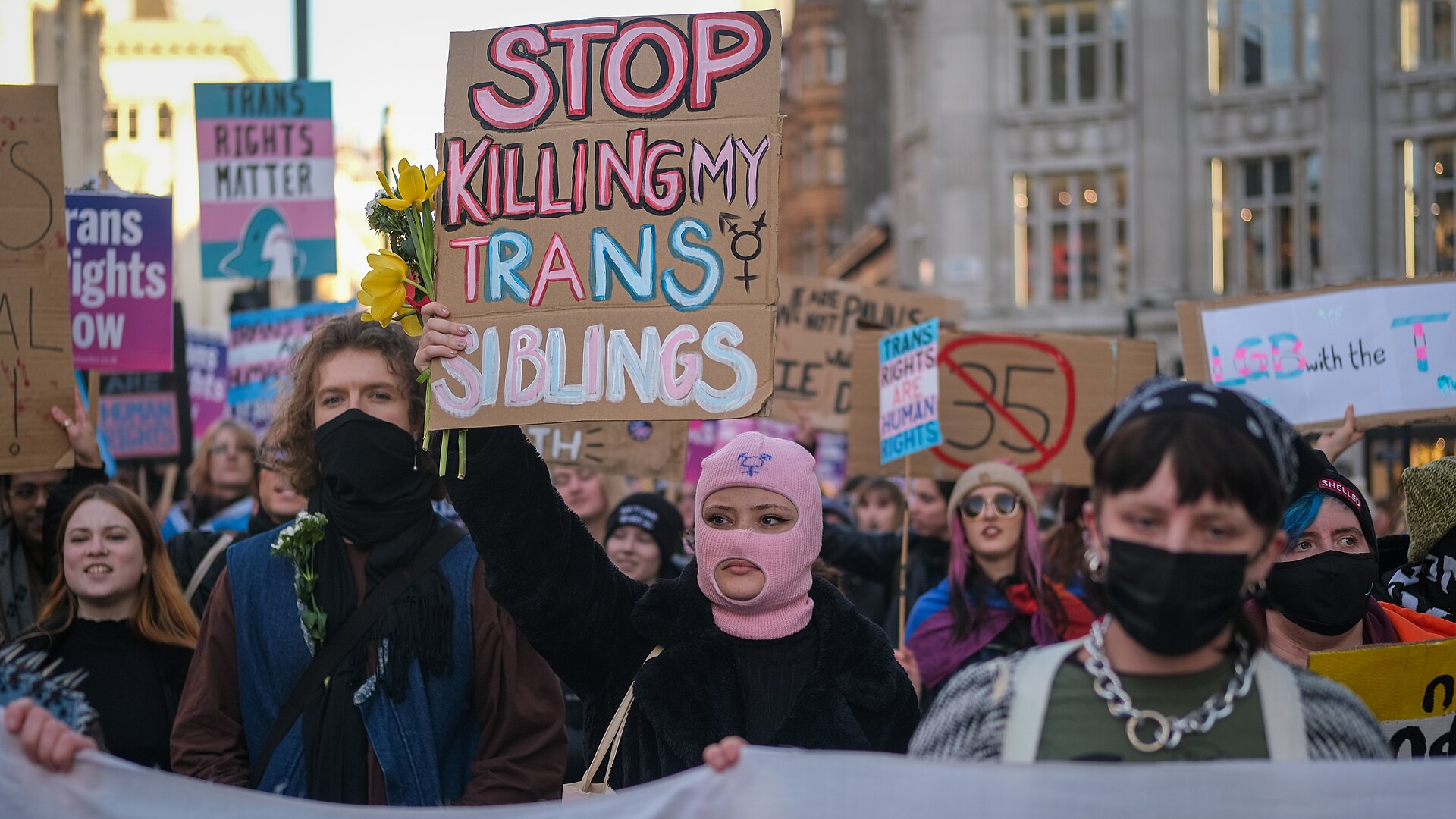
Britain’s proposed conversion therapy laws could criminalise parents, restrict Christian counsel and silence dissent, while a taxpayer-funded helpline’s actual call numbers fall dramatically short of claims.