



The Elderly and Babies are Refugees Too
In a sign of just how far Western Civilisation has declined, the most dangerous place for a child to be, is in her mother’s womb. Similarly, if the rest of Australia follows the leftist fad being currently pursued in states such as Victoria, then euthanasia laws will slowly erode our sense that life is sacred, as well as the belief that doctors should protect our lives.
In the midst of this moral crisis, one group in particular seems to be somewhat selective in their moral outrage. Mainstream Christians—most of whom identify as Protestant—are often reluctant to speak out publicly in regards to issues involving the sanctity of human life. However, when it comes to the more socially progressive subjects, such as refugees, they can be quite outspoken and even pay money to be involved. It begs the question, why?
Maybe it’s because no-one is going to argue with you for helping someone who is seeking asylum. Indeed, they’re probably going to affirm and congratulate you. But sadly, to speak up in defence of the unborn or the elderly, is almost certain to provoke disagreement, disdain and even outrage.
Perhaps it’s time to view these issues of abortion and euthanasia through a different lens. What if we examined them through the notion of asylum? That is, to protect and provide for those who are experiencing the imminent threat to their personal safety. How might that change the way that a Christian—as well as everyone else—thinks about the issue?
As with those seeking asylum, shouldn’t unborn children be considered as ‘refugees’ in relation to those who are seeking to kill them? Simply because they can’t speak our language shouldn’t negate their rights as human beings. For I’m almost certain that most of the people coming to our country wouldn’t have English as their first language, which means that they’re also going to find it extremely difficult to communicate. But on that basis, no one says that we shouldn’t give them our protection or help.
What’s more, precisely the same argument could be used in relation to those advocating for doctor-assisted suicide. Those who are experiencing some form of “unbearable suffering” should not simply be put out of their misery, but be treated with dignity and compassion. Unlike those fleeing countries which unjustly persecute their citizens, we should make sure that, especially with our elderly or infirm, that they are provided with safety and care.
Now, some might argue that I am being disingenuous in making the connection that I have made. Because there are obvious differences between the practice of abortion, euthanasia and refugees. But upon further reflection, all three issues involve ethical considerations regarding justice and mercy. Indeed, when it comes to the victims of abortion and euthanasia, the betrayal is even greater since it involves the citizens of one’s own country!
At the recent pro-life rallies in Sydney, there was a remarkable unity amongst a broader cross-section of Christian denominations. Roman Catholics, Greek Orthodox, Protestants and Pentecostals, all came together in opposition to what Rev. Fred Nile MP—of the Christian Democrats—described as “the worst piece of legislation he had ever seen.”
What’s more, Australia’s twenty-fifth Prime Minister, Tony Abbott, said in Hyde Park on Sunday afternoon—to a crowd of approximately 10,000 people—that the ‘reproductive rights’ bill currently before the NSW Parliament amounts to nothing less than “infanticide on demand”. Further, Sky News reported Mr Abbott as saying:
It’s never easy to stand up for what is right, especially when the majority of elected officials seem so unwilling to listen. But especially those of Christian faith are called to be salt and light. To both taste and look differently from the unbelieving world around them. And as such, it behoves them to have the courage to speak on issues that are both popular and contentious.
What this means today is that those who consider themselves as being in any way ‘religious,’ should seek to protect the rights of the unborn child in his mother’s womb, as well as the genuine refugee who has been compelled to flee their country of origin. And, following on from this, to not only defend the terminally ill but to help those who are seeking political asylum. It’s not a case of either / or, but more a matter of both / and.
As the right to life slogan correctly states: #LoveThemBoth
[Photo by pixpoetry on Unsplash]These are dark, dark times. Little refugees on the border of life. We plead with our politicians… Dr David Van Gend #marchforlife #qldpol #tradsabortionbillhttps://t.co/4yU5R0db5e pic.twitter.com/wwDxb6Suwc
— The Catholic Leader (@TheCatholicLead) September 1, 2018
Recent Articles:

27 October 2026
1.5 MINS
Labor’s Digital Duty of Care Bill threatens free speech, empowers covert online surveillance, and imposes potentially burdensome regulations on Australian businesses.
27 October 2026
10.3 MINS
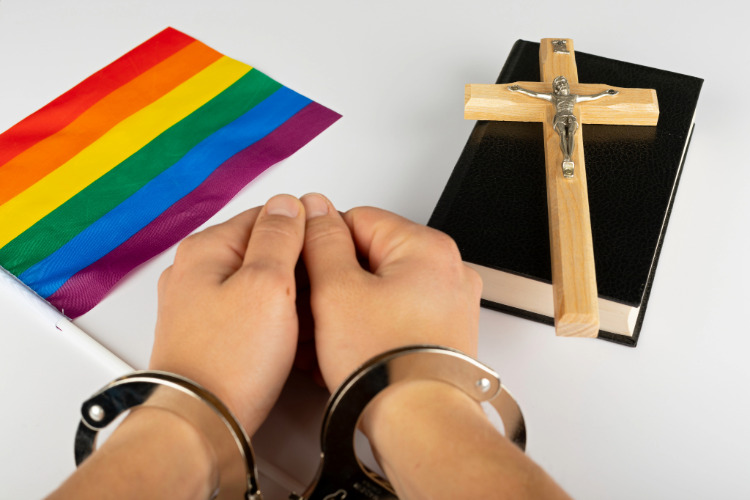
As Tasmania and Western Australia consider conversion therapy bans, a former LGBT+ ministry leader warns of threats to religious freedom, personal choice and Christian discipleship.
27 October 2026
1.3 MINS
Moira Deeming’s re-election campaign has energised Family First supporters, raising $90,000 as the party prepares for a crucial Victorian election and a potential breakthrough.
27 October 2026
3.1 MINS
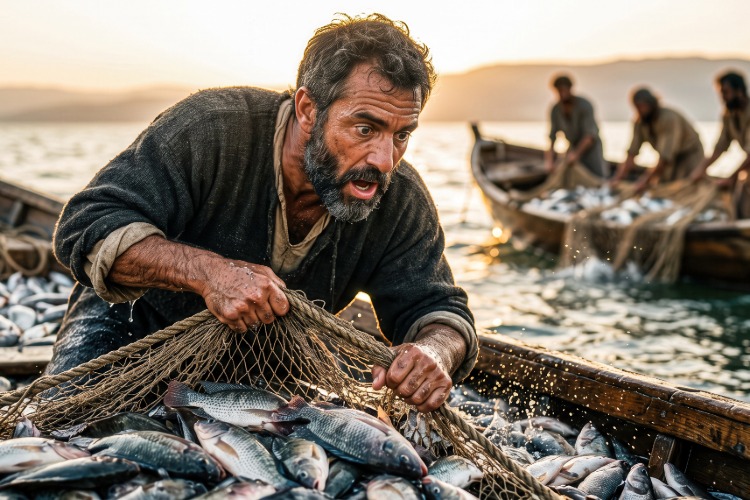
As the disciples discovered through a huge haul of fish, we can trust Jesus for a net-breaking, boat-sinking catch of people.
26 October 2026
4.5 MINS
OECD chief Mathias Cormann warns Australia is losing its competitive edge, as excessive regulation, housing pressures, immigration challenges and declining public trust threaten national prosperity.
26 October 2026
2.5 MINS
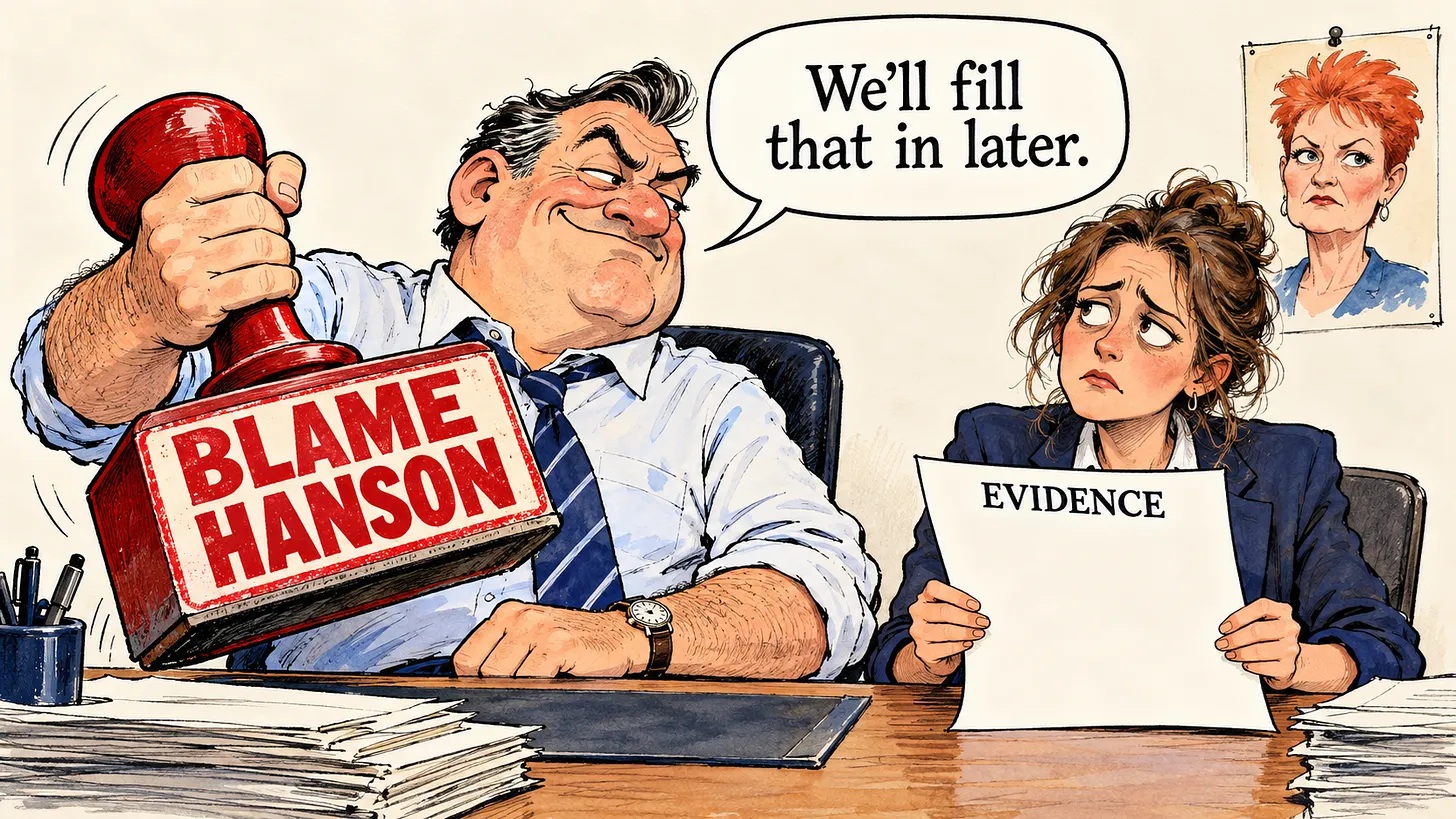
Nation First exposes the rush to weaponise the Haines attack against Pauline Hanson, conservative voices and men before investigators established a motive.
26 October 2026
5.1 MINS
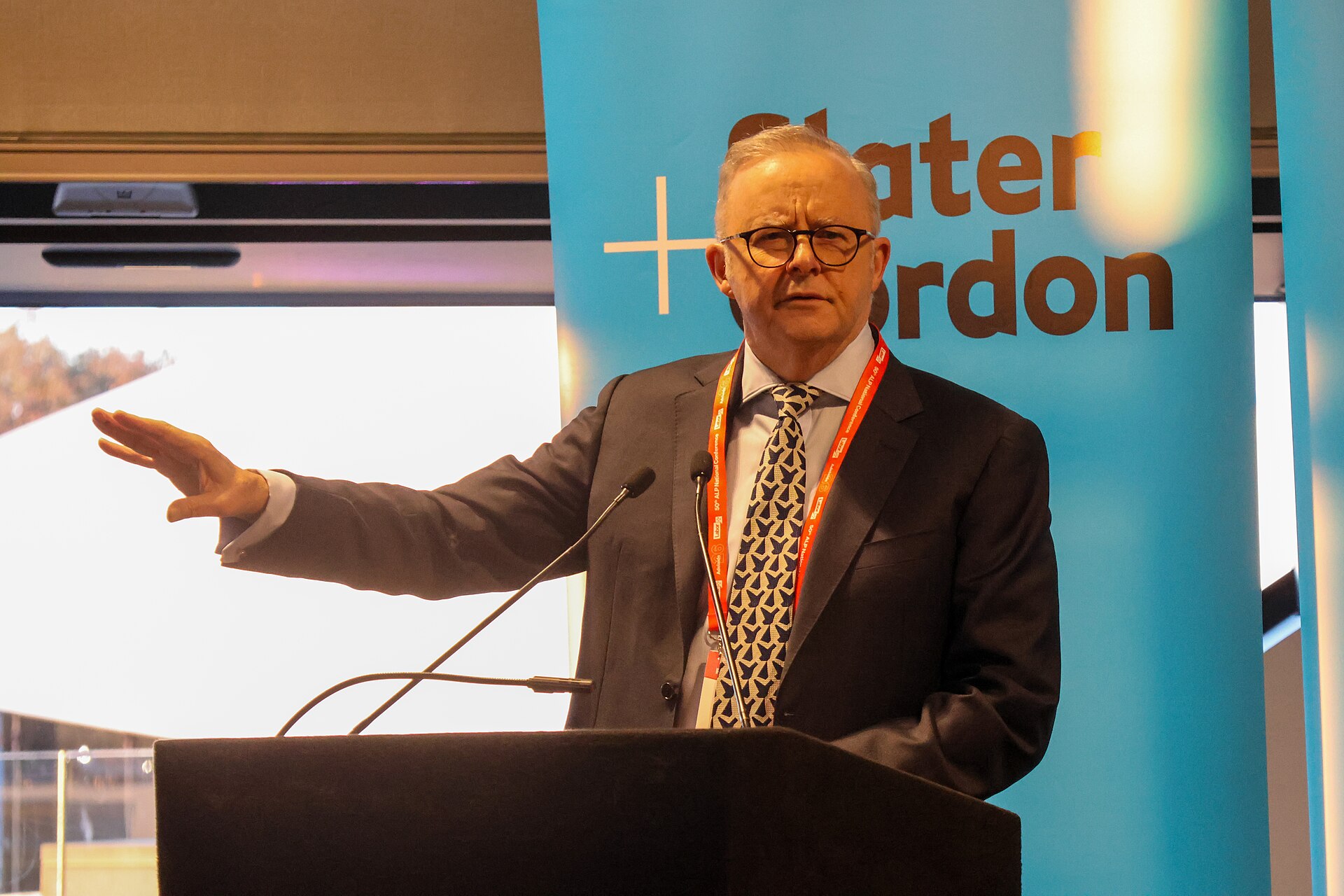
Anthony Albanese calls for civility after the Helen Haines attack, but revelations of a political dirt file raise uncomfortable questions about his government’s own conduct.


