



Church: The Extended Family
As I was growing up in Singapore, I did not really get to know other people in church. My parish was rather large, with 6000-8000 parishioners, and I was quite introverted during Sunday School classes, making only one friend there in my early teens, who moved to another parish after a few months.
After worship, my family might pause in the cafeteria for a bite, but we generally went straight home without interacting with anyone. My mother did not want me to join any ministries in church, as she thought I should channel all my efforts into studies.
Thus, the bulk of my social interaction occurred in school, where I joined faith formation groups as a substitute for church ministries.
A New Australian Family
However, when I came to Australia, I found that many of the churches had smaller congregations, and worship would be followed by morning tea, where regulars welcomed the newbies. This made it easier to befriend others. According to Oxford anthropologist and psychologist Dr Robin Dunbar, the human brain has the maximum capacity of maintaining 150 genuine friendships.
Now I can truly say that my spiritual family feels like an extension of my biological family. My biological family is spread out across the world, and I do not see them very often. However, my spiritual family has been there for my husband and me as we struggled through trials and celebrated triumphs.
They know our faults but love us anyway, and like the paralytic whose friends brought him to Christ (Matthew 9:1-8; Mark 2:1-12; Luke 5:17-39), our friends help us grow ever closer to God.
Wounds
Of course, like biological families, spiritual families can end up wounding you, even with your best interests at heart. Churches are not museums of saints, but hospitals for the sick, and wounded people can inadvertently hurt you if they have not healed properly, and their wounds are prisms through which they see you.
When my husband and I started dating two years ago, some parishioners who did not know me very well, but thought they had their measure of me from a Holy Land pilgrimage, heard alarming exaggerated tales about his past. They did their best to break us up, one of them issuing dire predictions based on her own ex-husband’s treatment of her.
In the end, they broke my father and me up. My father, who was very close to me, was initially accepting of my then-boyfriend, but after listening to horrid tales about him, he vowed never to return to Australia until we broke up. He spread tales to his non-Christian sister in Sydney, who repeatedly pressured me to skip town and start a new life under her wing. My father did not attend our wedding two weeks ago.
My mother, on the other hand, rejected my boyfriend until she met him. Then she perceived his good qualities and earnest desire to live a Godly life, and wholeheartedly welcomed him into the family.
Healing
It was painful not having my father present at our wedding, but we were overwhelmed by the generosity of our spiritual family. My bridesmaid’s father spontaneously flew up from Melbourne when he heard my father would not be there, believing it was his duty to provide a fatherly presence.
Friends from the Queensland Symphonic Orchestra and various choirs volunteered to form a choir for us, producing exquisite music that touched the hearts of non-Christians who came.
Other friends baked the cake, did hair and make-up, took photographs and videos, made sure I arrived at the church, and brought plates upon plates of food, creating a magnificent feast. A university friend, recently ordained, was our celebrant, and other friends served at the altar. Friends all over the world prayed for us as we made our vows before God and our community.
My maternal relatives sent gifts and blessings, discarding their initial reservations. We were blessed beyond measure. While most of my family were not there, our friends filled the pews and filled our hearts to overflowing.
It helps to have friends who have suffered in similar ways, knowing that eventual healing of the deep wound in my family and my father’s heart is possible.
In the meantime, we trust God’s plan for our lives and take heart in His providence, knowing He is with us, and where He guides He will provide each step of the way.
Recent Articles:
10 October 2026
4.1 MINS
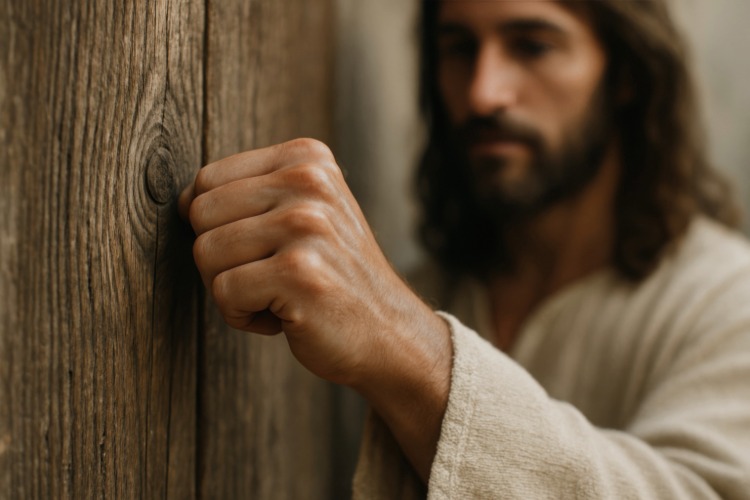
When Jesus rebuked the Laodicean church, this was not a sign of his lack of love, but proof of it and how greatly he longs to reward and bless us. He is knocking — will we answer?
9 October 2026
1.3 MINS
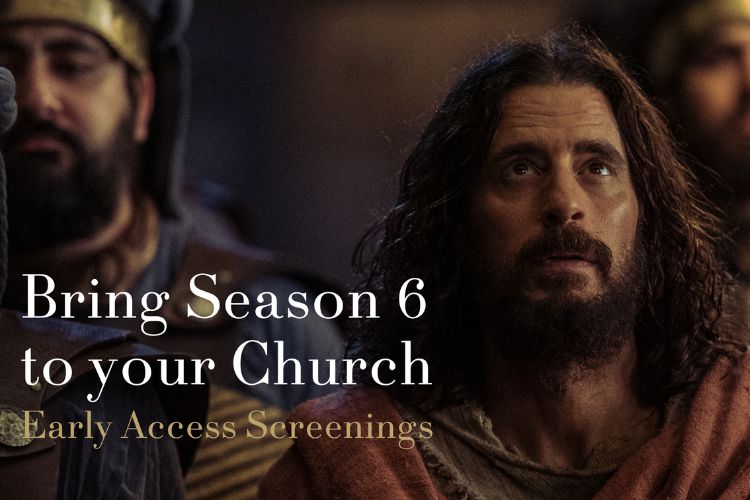
Season 6 of The Chosen is releasing next month, and until 15 November, your church has the opportunity to host a free pre-release screening of Episode 1. Here's how.
9 October 2026
2.9 MINS
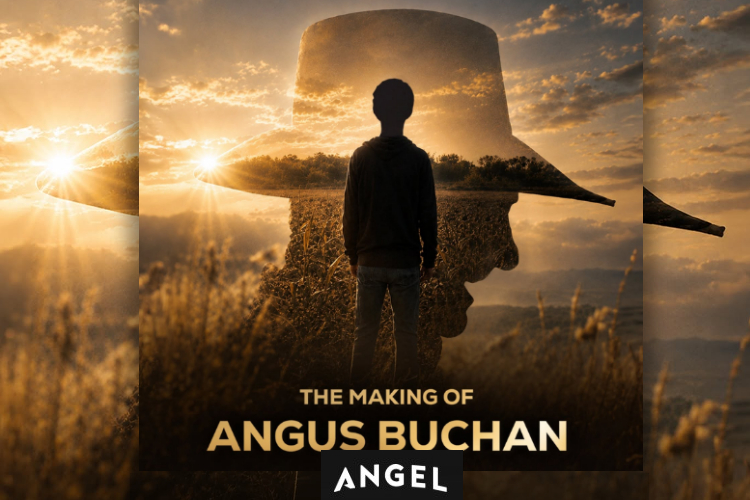
Angus Buchan’s remarkable journey from farmer to evangelist is brought to life in a new documentary now streaming, revealing the faith, family and challenges behind his public ministry.

9 October 2026
3.3 MINS
New South Wales healthcare workers who object to abortion and voluntary assisted dying face growing pressure, raising serious questions about conscience rights, employment and moral injury.
9 October 2026
2.9 MINS
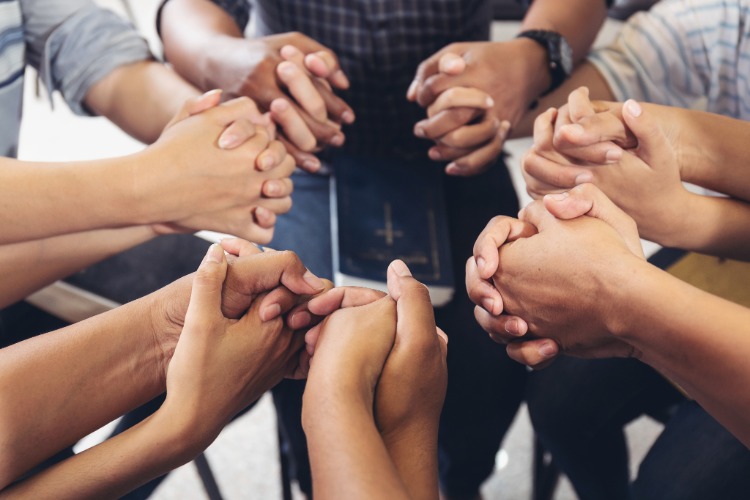
God is intensely relational, and he puts us into a community of believers so we can use our gifts in service of Christ's body.
8 October 2026
3.6 MINS
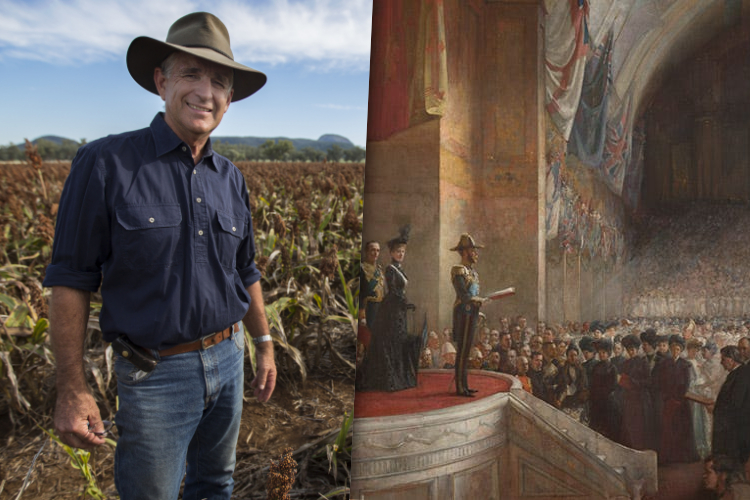
John Anderson warns that Australia’s decline is rooted in spiritual and cultural disintegration, calling for a recovery of Christian foundations, social cohesion and national purpose.
8 October 2026
4.1 MINS
Aboriginal communities in Central Australia already know the gospel message. What they need now, Robyn Murray writes, is discipleship, encouragement and Christians willing to pray and participate.


