



How Lockdowns Promote Gnosticism in Our Churches
When it comes to lockdowns, Christians are divided.
On one side, it is argued that lockdowns are the obvious way to love one’s neighbour, as they prevent transmission of the virus. Indeed, various studies have shown that lockdowns do curb transmission not only of COVID-19, but also of the common flu.
On the other side, it is argued that the effects of lockdowns outweigh the benefits, particularly when considering the economic devastation they inflict. This side is certain that the death and suffering caused by lockdowns far outweighs their benefits.
The latter group points to the concerning consequences of lockdowns as the basis for their argument. For example, lockdowns have:
- been responsible for increased suicides and mental health spikes
- contributed to economic damage which is causing starvation and death for millions in developing nations
- pushed hundreds of millions of people towards starvation and poverty
- caused greater deaths in low- and middle-income nations due to economic damage and shock
- prevented people from visiting their dying family members in hospital
- directly assaulted basic human rights such as our freedom to work, freedom of movement, and freedom of assembly
While all of these consequences are mortifying, the greatest carnage has actually been spiritual in nature. More disturbing than the virus is a pervasive form of Gnosticism which has infected our churches.
In the early church, Gnosticism was a heretical religious teaching which emphasised the dichotomy of the body and the soul. Gnostic teachers proclaimed that we are free to do what we like with our bodies, since it is only our souls which are saved.
For this reason, the early Gnostics believed that the immorality and pagan worship they were engaged in could be kept distinct from their spiritual relationship with God. What we are witnessing in the church today is a neo-Gnosticism which emphasises bodily health and prosperity at the expense of one’s soul.
Pastor Joel of Right Response Ministries stated it like this:
In our attempts to save the body, we are sacrificing our souls…
At the cost of preserving the soul, we are seeking to preserve the body.
In other words, we have been led to believe that our physical health is the only thing that really matters. We have guarded our physical health at the expense of our mental, social and emotional wellbeing. Most importantly, we have forfeited that which we should value above all: our spiritual wellbeing.
While we should not expect the unbelieving world to understand the value of the spiritual, Christians should be the first to recognise this fundamental truth. It is the church that ought to be communicating the importance of incarnate fellowship. Being together in the flesh is where the physical and the spiritual most closely intersect, and we see this in the person and work of Jesus Christ. This is why the prevailing neo-Gnosticism is so concerning.
In a recent interview, Pastor Jeff Durbin highlighted that the two responsibilities we have as Christians towards one another are:
- to love all our neighbours, and
- to love all aspects of our neighbours.
Among other things, loving all people means loving everyone in our church, including both those who are at risk of COVID-19, and also with those who are struggling due to the lockdowns.
Loving all aspects of our neighbours means recognising that our neighbours are not just bags of cells that need protecting from a virus. The Scriptures are clear that our neighbours are eternal souls made in the image of God, who were created for fellowship with God and one another. (Genesis 1:27; 1 Thessalonians 5:11; Hebrews 10:24-25)
This also means that the economic welfare of our neighbours is critical to their physical health. We may even go as far to say that lockdowns may do more damage to the physical health and wellbeing of our neighbours than if they had not been implemented in the first place.
The only weapon against the neo-Gnosticism which has pervaded the church is a biblical understanding of man as a spiritual being, made for fellowship with the living God, and with others.
[Image: BigStock]Recent Articles:

27 October 2026
1.5 MINS
Labor’s Digital Duty of Care Bill threatens free speech, empowers covert online surveillance, and imposes potentially burdensome regulations on Australian businesses.
27 October 2026
10.3 MINS
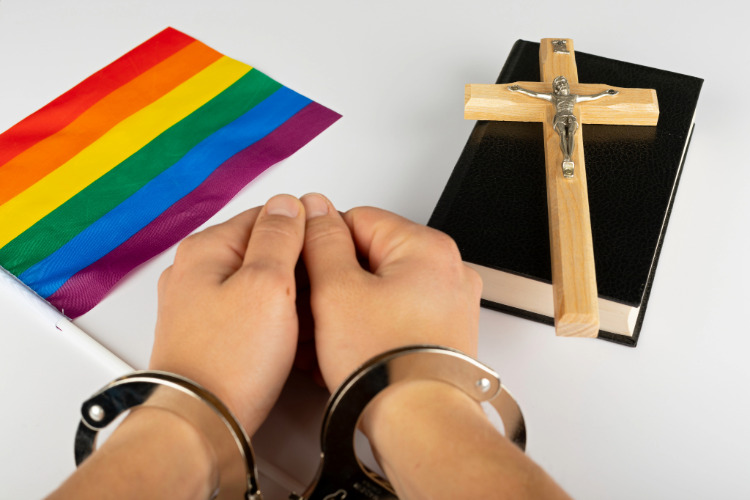
As Tasmania and Western Australia consider conversion therapy bans, a former LGBT+ ministry leader warns of threats to religious freedom, personal choice and Christian discipleship.

27 October 2026
4.9 MINS
Nine Christians have been killed in a terrorist attack on a Jordanian church, prompting fierce condemnation, demands for justice and renewed concerns about religious persecution.
27 October 2026
3.6 MINS
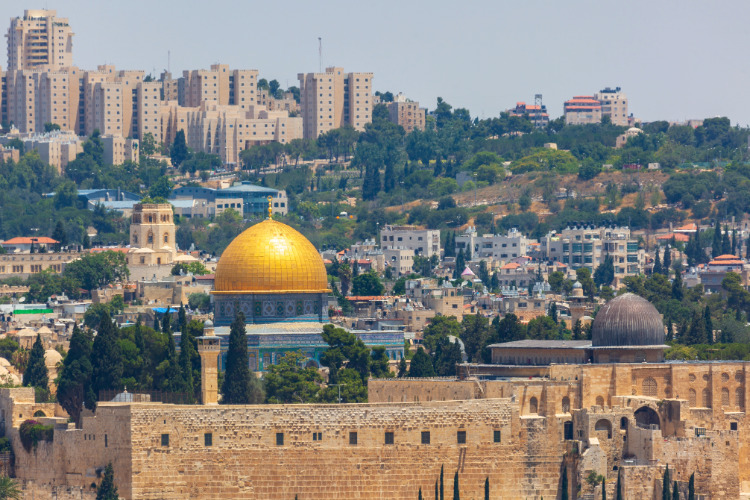
For 25 years, the Mount Moriah Trust has supported struggling Christians across the Holy Land, bringing practical assistance, encouragement and hope to believers facing hardship and persecution.
27 October 2026
3.1 MINS
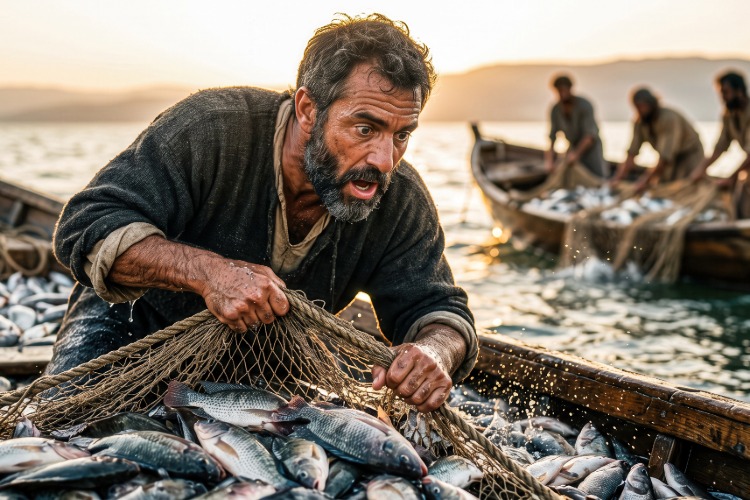
As the disciples discovered through a huge haul of fish, we can trust Jesus for a net-breaking, boat-sinking catch of people.
26 October 2026
5.1 MINS
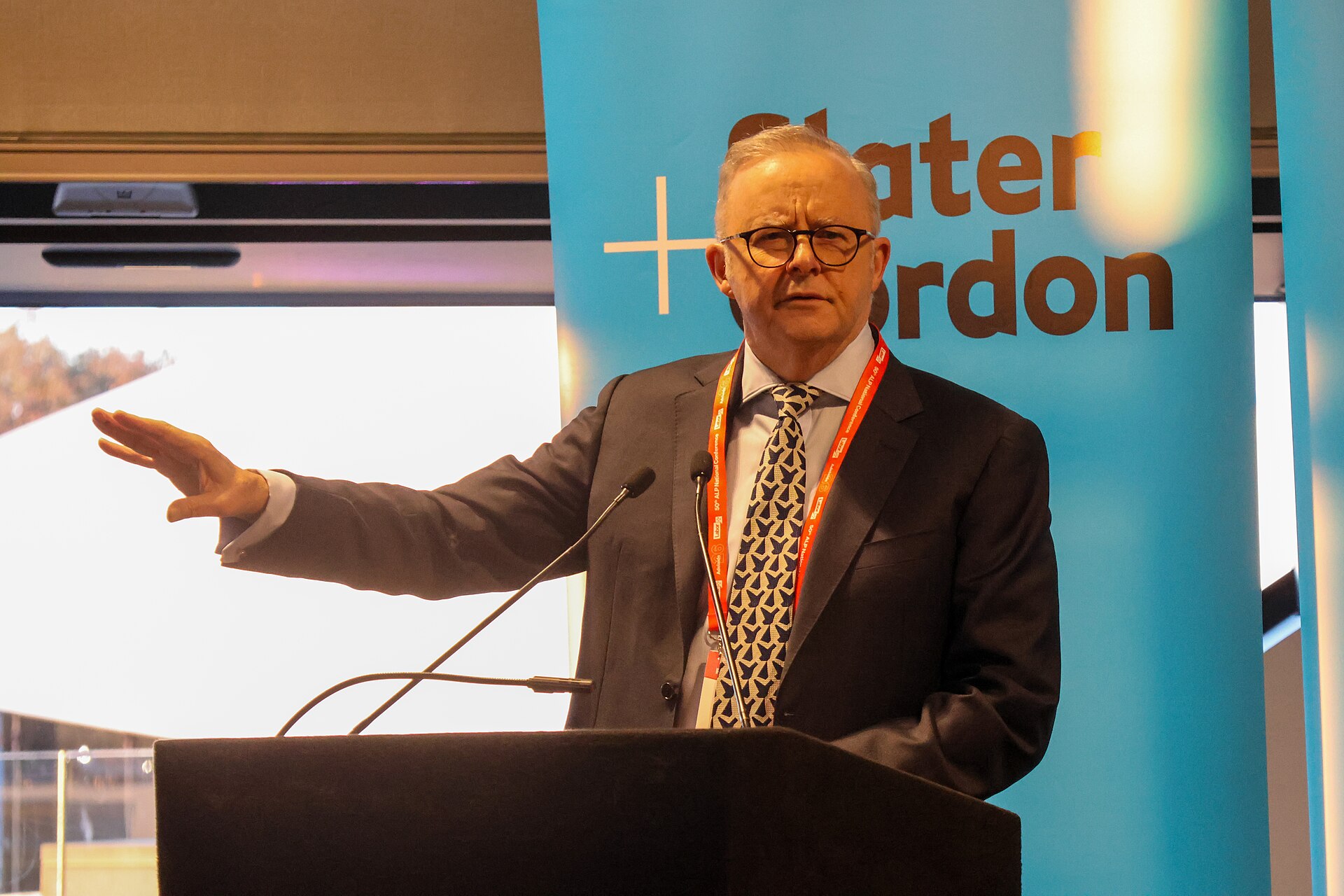
Anthony Albanese calls for civility after the Helen Haines attack, but revelations of a political dirt file raise uncomfortable questions about his government’s own conduct.
26 October 2026
3.2 MINS
Following Paul's example in Ephesians 1, let us pray for the Father to open the eyes of our hearts so that we may grasp the hope of his calling, the riches of his glorious inheritance in the saints, and the greatness of his power towards us who believe.


