


Iranian Dissidents Censored by Pro-Government Meta Fact-Checkers
The BBC has claimed Persian-speaking employees of a third-party “Fact-Checker” operating on behalf of Meta were paid by the Iranian government to censor pro-freedom demonstrators on the social media giant’s platforms.
Former Telus International employees — turned whistleblowers — revealed to the BBC in May there was a pro-Iranian regime bias among some employees.
The whistle-blowers added that Telus moderators were offered bribes from the Iranian government to remove anti-regime content.
Bribery
According to the BBC, one of the former employees claimed he was offered upwards of “5,000 to 10,000 euros to delete” pro-freedom Instagram posts viewed as being critical of the Iranian government.
The BBC said that the former employees came forward after ‘Iranian Instagram users complained posts about recent anti-government protests in their country had been deleted.’
Telus International has refuted the claims, stating the company has no ties to the Iranian regime.
TI also told the BBC its employees could not be compromised because internal procedures guard against corruption.
In a statement to the BBC, Telus asserted,
‘The processes in place eliminate the ability of reviewers to insert personal or political opinions into their job; decisions are frequently audited for accuracy and to uncover any potential biases. Additional reviews have been undertaken and have found no validity to these claims.’
Meta rejected the whistleblower’s accusations, reassuring users that its “fact-checking” system was both compromise- and bias-proof:
“We see no evidence to support these claims. Our review teams remove content that breaks our rules.”
The spokesperson told the BBC:
“Those rules are deliberately detailed to avoid room for bias or interpretation, and reviewers’ decisions are regularly audited to help ensure accuracy.”
Putting a hole in Meta’s routine policy and procedure defence, the BBC reported: “only about 10% of content moderator decisions are audited.”
Suspicious
UK-based media insider Iran International didn’t take the revelations lightly. They argued the dots seem to strongly suggest,
‘Meta [however inadvertent] might be aiding the Iranian government by censoring information shared by Iranian dissidents and pro-democracy advocates.’
Providing context, Saudi organisation Arab News explained there has been ‘little coverage’ of widespread pro-freedom demonstrations which spanned ‘several provinces in Iran.’
Arab News put the cause of the protests down to a ‘government decision to cut subsidies to basic food items, which has resulted in higher prices.’
The protests coincided with the tragic collapse of a building in the South West of Iran, where demonstrators, appearing to reject government propaganda, chanted,
“They’re lying that it’s America; our enemy is right here.”
Ironically, Western knowledge about the freedom rallies is only coming to light because whistleblowers are exposing state-sanctioned censorship.
Meta’s potential involvement amplifies the voice of pro-freedom opposition within the Islamist state.
Such potential involvement presents implications for how far the Leftist-dominated organisation’s interference in politics — either by way of internal corruption or otherwise deliberate electioneering — goes.
Even if these whistleblower accusations prove to be untrue, it is still true that Zuckerberg technocrats play partisan politics.
The “breach of community standards” defence is often an excuse for social media platforms to undermine freedom of speech by conflating content with arbitrarily defined “hate speech”.
It is likely Iranian pro-democracy accounts posting videos of demonstrators chanting “Death to the dictator; death to Khamenei” met this end.
This is despite the chanting being an acceptable cultural expression of discontent, akin to a political slogan.
Regardless of any “misunderstanding” that might explain away the potential connection between Meta and the Iranian regime, there is a pattern of censorship evident in the treatment of Iranian dissidents.
Jewish oriented The Algemeiner recounted how,
‘Persian-speaking media outside Iran that oppose the Islamic Republic face similar uncertainty and restrictions on their social media posts. Even Radio Farda, which is funded by the US government, has had its posts removed.’
The article’s author, Potkin Azarmehr, used the example of satirist Salome Seyednia, who has a 1.2-million follower count on Instagram, ‘but has been warned her that her account could be taken down after she posted previous protest videos.’
Azarmehr concluded that while Iranian officials get a free pass on social media, the Iranian people,
‘who are risking their freedom, and even their lives, to speak out against their government are unfairly being silenced on the world’s largest social media platforms.’
Whistleblower revelations haven’t fallen on deaf ears in Washington.
The Paul Singer-backed Washington Free Beacon broke news this week about three Republican members of the House Foreign Affairs and Armed Services Committees, who’ve written to Meta seeking answers from them about the alleged state-sponsored censorship.
The letter, addressed to Zuckerberg, is a clear expression of concern for the wider implications, should a connection between in-house Persian speaking “fact-checkers,” and the Iranian government exist:
‘The threat of infiltration by Iran’s regime and its supporters into a social media platform used by millions of Americans is an unacceptable threat to their privacy, liberty, and our national security.’
Meta’s CEO Mark Zuckerberg has been given until June 10 to reply.
___
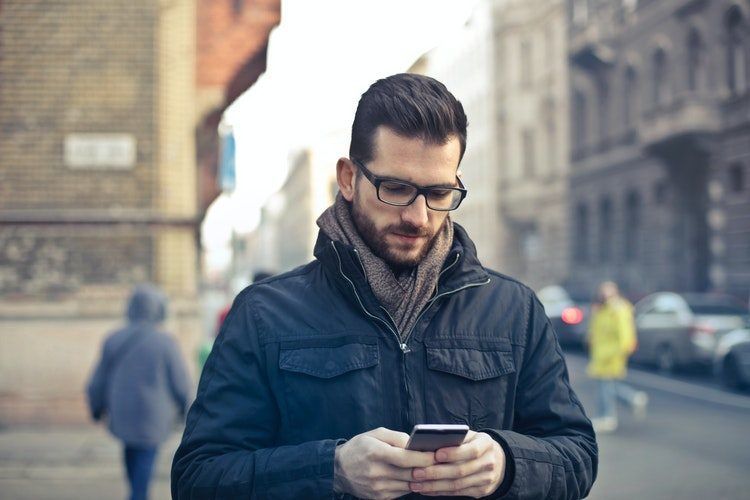
Photo by Andrea Piacquadio.
Recent Articles:
26 October 2026
2.5 MINS
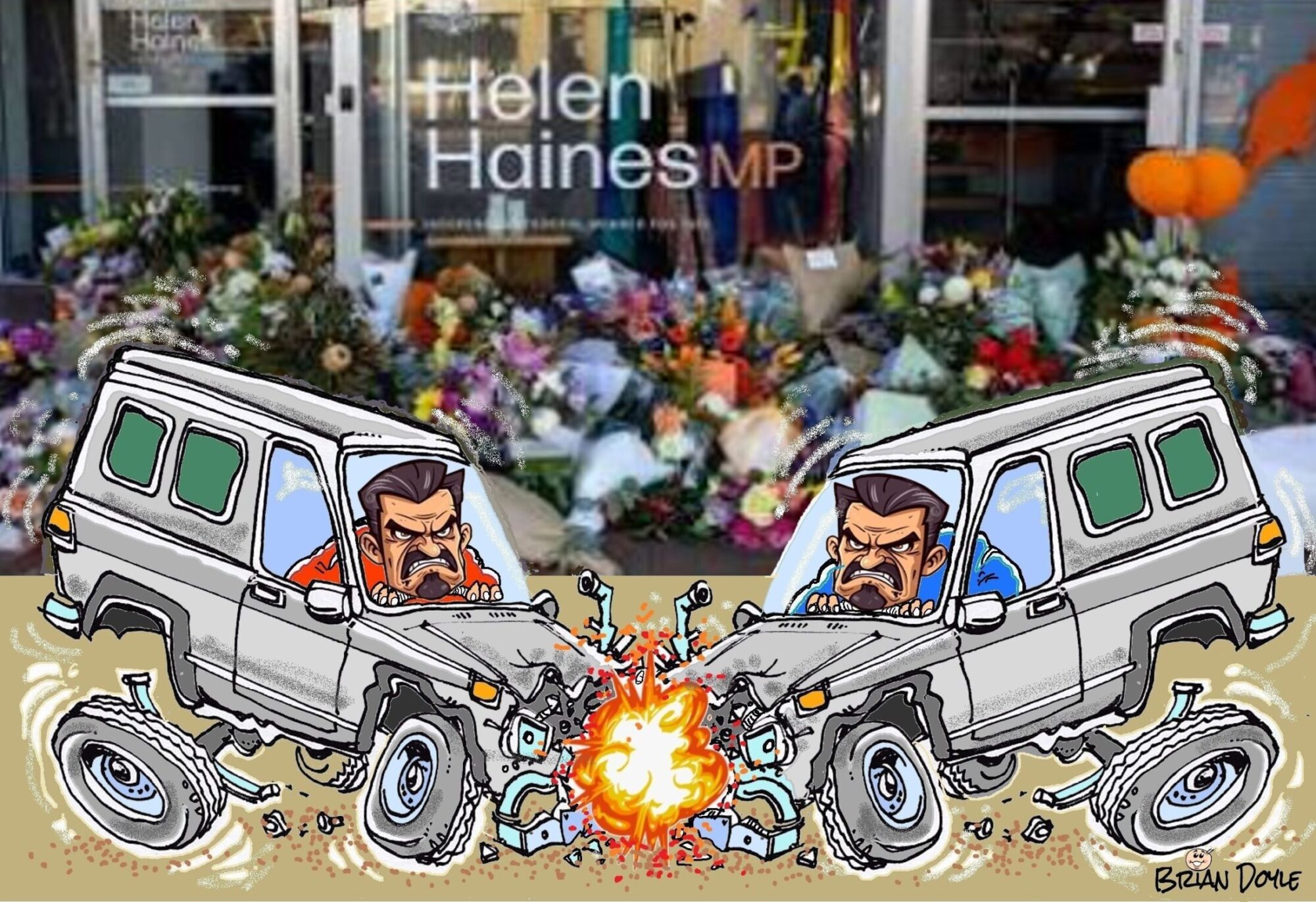
Nation First exposes the rush to weaponise the Haines attack against Pauline Hanson, conservative voices and men before investigators established a motive.
26 October 2026
5.1 MINS
Anthony Albanese calls for civility after the Helen Haines attack, but revelations of a political dirt file raise uncomfortable questions about his government’s own conduct.
23 October 2026
13.1 MINS
Tasmania’s proposed conversion practices legislation raises serious questions about religious freedom, pastoral care and whether Christians can freely pray with those seeking to live according to their faith.
23 October 2026
3.1 MINS
As Western societies grow more hostile, could abandoning Christianity’s moral foundations be contributing to the rise of ideological extremism, political intolerance and violence?
23 October 2026
5.1 MINS
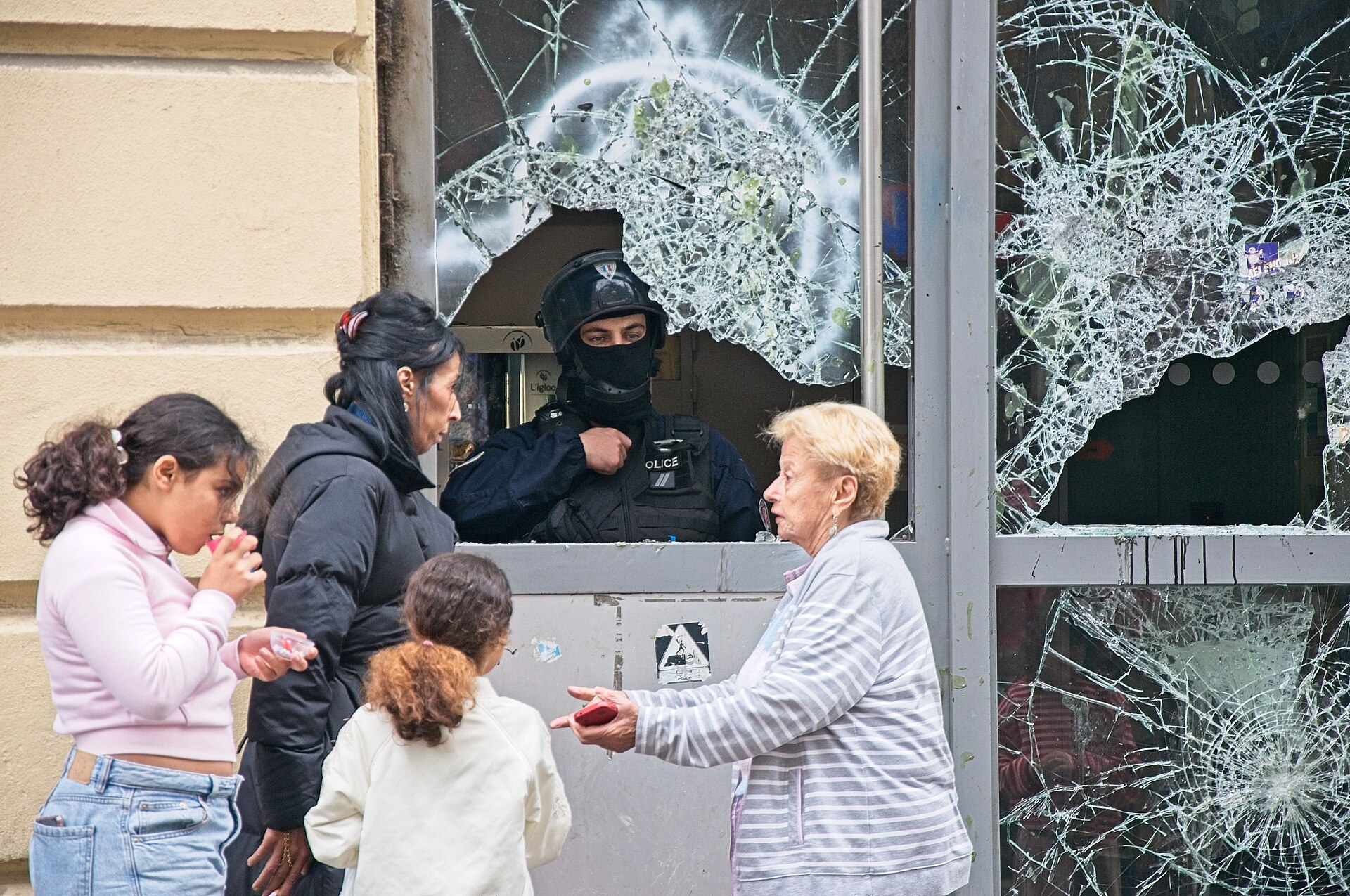
France’s escalating riots expose the dangers of political extremism, antisemitism and radical alliances, offering America a stark warning about the future of Western democracy.

22 October 2026
4.7 MINS
Western Australia’s proposed anti-discrimination overhaul has sparked warnings from Christian leaders that religious freedom, parental choice and faith-based schools’ ability to uphold their beliefs are at risk.
22 October 2026
2.9 MINS
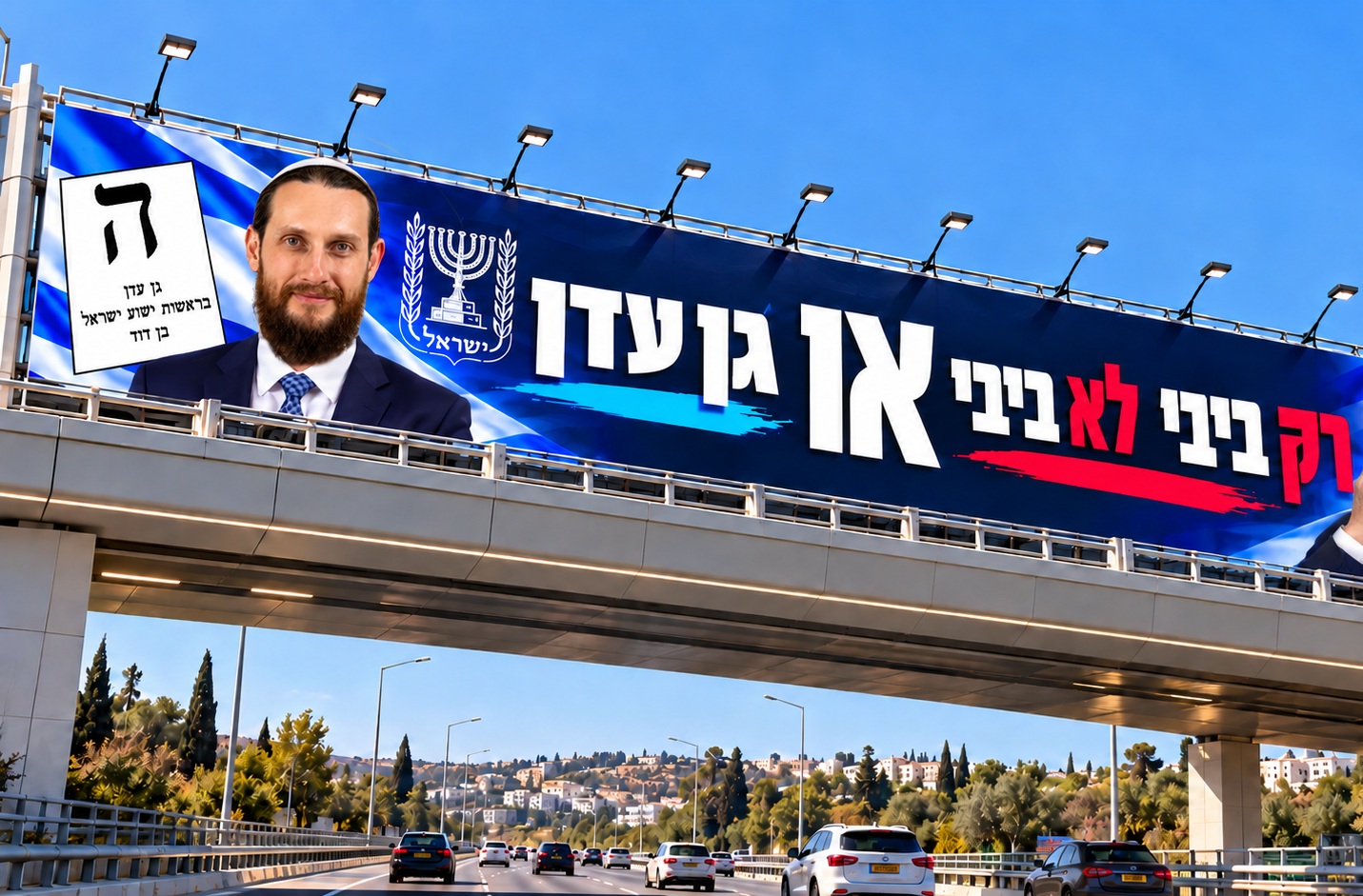
An Israeli political candidate claiming a remarkable biblical identity has sparked questions about false messiahs, the Antichrist and how Christians should interpret prophecy.


