



Christmas: His Divine Salvation Brings Peace, Shalom
We celebrate Christmas with our churches, family and friends – a joyous respite from a world suffering wars and cultural conflicts, and adrift from its divine Creator.
In many ways, today is not far different from the time of Christ. Like the early Christians, our challenge is to announce the message of the God-Man whose salvation is offered to each and every human being.
The divine nature of the Messiah and the breadth of his mission were heralded from the moment the Archangel Gabriel visited Mary.
Revelations
When Gabriel asked Mary if she would bear the “Son of God”, Mary agreed to God’s request.
Yet troubled by this vision, Mary travelled to visit, and no doubt confide in, her ageing cousin Elizabeth, who was unexpectedly pregnant with John the Baptist. Sighting Mary, Elizabeth was “filled with the Holy Spirit”, the child in her womb “leapt for joy” and she proclaimed the divine fulfilment of salvation in Mary’s unborn child.
Responding, in her Song of Praise, Mary confirmed the Old Testament promise of a Saviour.
Earlier, Elizabeth’s husband Zachariah was rendered mute for doubting the Archangel Gabriel’s announcement that his wife would bear a son.
When John the Baptist was born, Zachariah was filled with the Holy Spirit and announced that his son would be “a prophet of the most high” preparing a way “before the Lord”, a mighty saviour as promised to Abraham.
Mary’s prayer and Zachariah’s prophecy are incorporated into the daily prayer of the Church.
To rustic and lowly shepherds, an angel heralded the arrival of Christ, declaring “great news… great joy for all the people” in the city of David, where the “Messiah of the Lord” is born.
Undoubtedly, Joseph knew of the divine origin of Jesus from Mary. Christ’s divine mission was confirmed when he and Mary presented Jesus in the Temple.
The righteous and holy Simeon, on whom “the Holy Spirit rested”, was “guided by the Spirit” to the temple where he proclaimed that he had now “seen salvation”; “a light for the Gentiles and for the glory of your people is revealed”.
Also in the Temple was Anna, the widowed 84-year-old prophetess, who was constantly praying and fasting. She offered “praise to God” and spoke “about the child”.
The Magi travelled a great distance from the east. Probably astrologers of great learning and wisdom, these gentiles followed a brilliant, new moving star that, by divine inspiration, they interpreted as their guide to finding and paying homage to a newly born king of divine origins.
Their gifts were highly symbolic – gold, a symbol of royalty; frankincense, burnt as a fragrant incense in prayer and devotion to the divine; myrrh, an anointing and embalming oil, a symbol of sacrificial suffering and death, but more importantly, of total deliverance and healing.
The promised Messiah was revealed to his earthly parents, to the righteous Jews (Elizabeth, Zachariah, shepherds, Anna, Simeon) and to the Magi Gentiles.
As St Paul wrote to the Galatians, for those who would be baptised into Christ, “There is no longer Jew or Greek, there is no longer slave or free, there is no longer male and female; for all of you are one in Christ.”
Shalom
Belonging to Christ bestows peace. In Judaism, which Pope Benedict XVI described as the taproot of Christianity, the word shalom embraces much more than the Latin pax, peace as the cessation of hostilities.
The true meaning of shalom was seen when Hamas released 85-year-old Israeli hostage Yocheved Lifshitz. She spoke of the hell of being taken captive, but also of the “care” she received from her captors. As she walked to freedom, she turned, grasped the hand of one of her masked captors, and as a grandmother would to her own grandson soldier, she said “shalom”.
The word “shalom” is derived from a root denoting wholeness and completeness, bound with the notion of shelemut, perfection, a blessing, a manifestation of divine grace, the condition of life as God intended it to be in the Garden of Eden.
Jewish sages praise peace as the summit of all values, with the possible exception of justice, which must, however, be tempered by peace. In political and personal relations, shalom denotes mutual overcoming of strife, quarrel and tension, the prevention of enmity, division and war.
Texas Rabbi Robert I. Kahn distinguishes “peace” from “shalom”:
“One can dictate a peace; shalom is a mutual agreement.
“Peace is a temporary pact; shalom is a permanent agreement.
“One can make a peace treaty; shalom is the condition of peace.
“Peace can be negative, the absence of commotion. Shalom is positive, the presence of serenity.
“Peace can be partial; shalom is whole.
“Peace can be piecemeal; shalom is complete.”
Both traditions strive for lasting peace between people and nations, even in life-threatening circumstances.
This Christmas, in our troubled world, shalom, peace to you, your family and friends.
___
Originally published in News Weekly. Photo by Susanne Jutzeler.
One Comment
Leave A Comment
Recent Articles:

24 October 2026
3.3 MINS
When we ask God, "What is in my hand?", and see our possessions, money and time as seed that God asks us to sow, life becomes simpler.

23 October 2026
6.8 MINS
Hillsong UNITED’s Joel Houston reflects on fame, faith and the burden of ministry, questioning performative Christianity as he seeks a more authentic walk with God.
23 October 2026
13.1 MINS
Tasmania’s proposed conversion practices legislation raises serious questions about religious freedom, pastoral care and whether Christians can freely pray with those seeking to live according to their faith.
23 October 2026
3.1 MINS
The one who is worthy of it all is awakening his Church to be captivated by him, so that we will honour one another and share his gospel with humility and courage.
22 October 2026
2.9 MINS
Victoria Labor’s promise to fund free abortions has drawn a forceful response from Presbyterian leaders, raising profound questions about unborn life, government priorities and Australia’s moral direction.

22 October 2026
4.7 MINS
Western Australia’s proposed anti-discrimination overhaul has sparked warnings from Christian leaders that religious freedom, parental choice and faith-based schools’ ability to uphold their beliefs are at risk.
22 October 2026
2.9 MINS
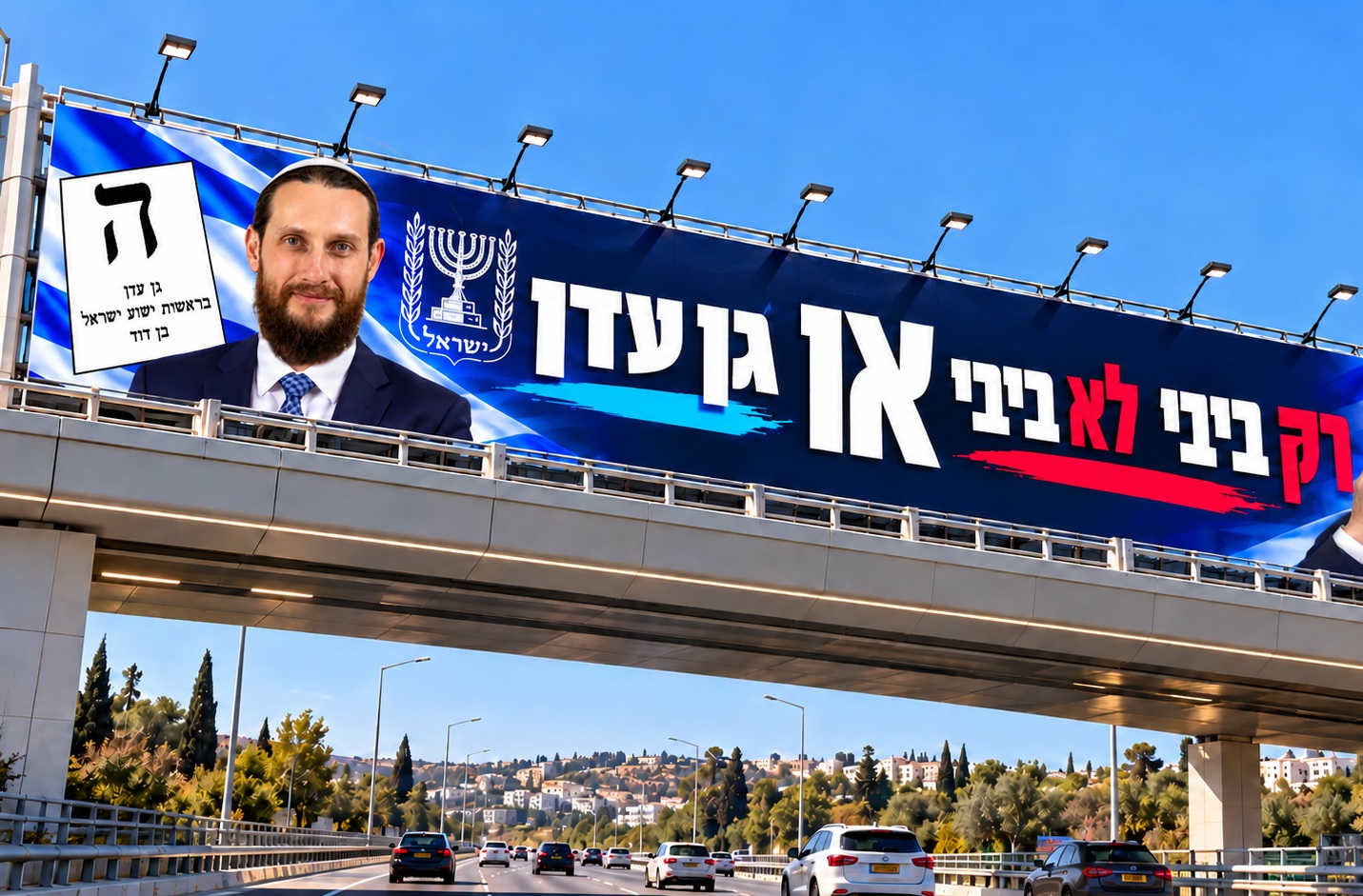
An Israeli political candidate claiming a remarkable biblical identity has sparked questions about false messiahs, the Antichrist and how Christians should interpret prophecy.



Beautiful explanation of the difference between ” peace ” and “shalom “. Shalom to all—our family , neighbours , Australia , and all countries .