



Debunking the Media’s Claim That All of Trump’s 2020 Election Challenges Were ‘Baseless’
By Kyle Becker
It is commonly claimed that Trump’s 2020 election challenges were baseless, however a recent review shows that Trump and the GOP won 22 out of the 30 cases that were decided on the merits.
An Election Integrity review conducted on 92 court challenges filed over the 2020 election found that a clear majority of the cases decided on the merits were ruled favorably for the plaintiffs; particularly, the Republican Party and the Trump campaign.
The election review noted the cases decided on the merits and those that were dismissed for lack of standing or other procedural issues.
“Some Non-Merit reasons for stopping lawsuits from going forward are for: a) Standing, b) Timing [Laches], c) Judicial authority [Jurisdiction], and d) Moot (e.g. not enough malfeasance to make a difference).”
The list of court cases decided on the merits, meaning “the Plaintiff was able to argue the facts of the case, and, if applicable, given opportunity to present evidence via Discovery,” as well as the links to the case information, can be found below.

‘The Election Challenges Were Legal and Valid’
“You’re gonna wanna bookmark this,” remarked Arizona Sun Times reporter Rachel Alexander.
“This is a compilation of all of the 2020 election challenges and what became of them. Despite the MSM lies that 60+ election challenges found no evidence of wrongdoing, there were actually 92 cases, with only 30 decided on the merits, and of those 30, Trump and/or the GOP plaintiff prevailed in 22 of them.”
The case entries, many linking to Stanford’s Healthy Election Project, confirm the statuses and the rulings.
It is debatable whether affirmative rulings in all of the cases would have been sufficient to lead to Donald Trump being elected instead of Joe Biden.
The pivotal lawsuit may have been the Texas case brought by AG Ken Paxton contending that a number of swing states made unconstitutional election changes, because they did not go through the state legislatures. This case was denied by the Supreme Court, despite the Constitution stipulating its original jurisdiction.
Furthermore, many states have since decided that 2020 election practices such as the inclusion of privately funded “Zuckerboxes” were either illegal or were subsequently outlawed.
It is up for debate whether any particular lawsuit would have been the deciding factor, but the critical underlying point is that the election challenges were legal and valid. The sum of these lawsuits paint the picture that the “fortified” 2020 election was highly flawed and undemocratic, since it did not abide by fundamental practices of election integrity.
Thus debunks a widespread narrative: Trump’s legal challenges to the 2020 election were all “baseless.”
___
One Comment
Leave A Comment
Recent Articles:

24 November 2026
2 MINS
A national Christian declaration against antisemitism is being launched in the wake of the Bondi massacre, calling believers to prayer, unity and practical action.

24 November 2026
4.1 MINS
US lawmakers and the State Department are pressing Egypt to free Christian convert Said Abdelrazek, while the Albanese government faces mounting criticism for its silence.
24 November 2026
3.4 MINS
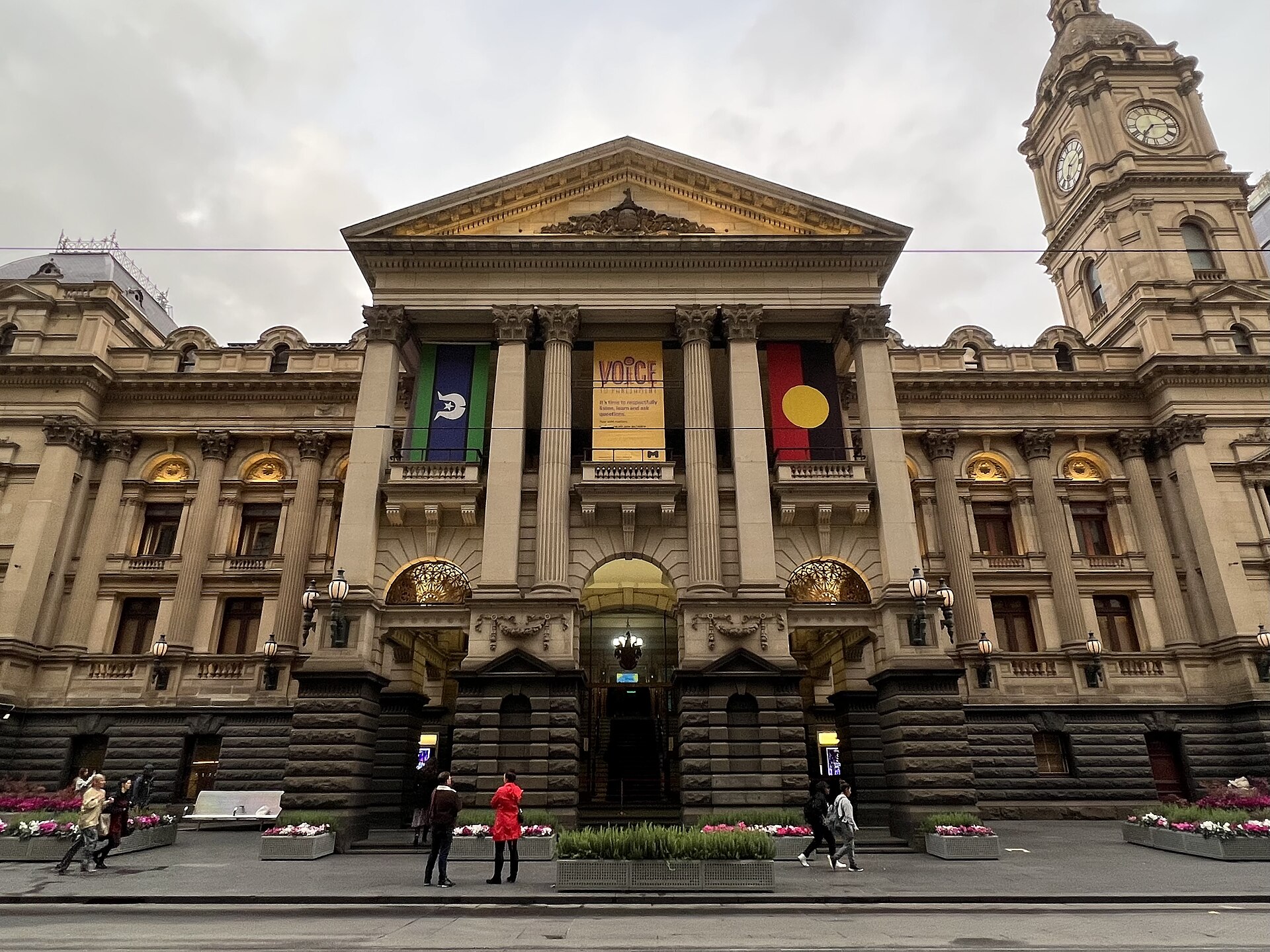
Victoria’s controversial Treaty faces growing opposition, with One Nation and the Liberals pledging to scrap it, arguing voters have already rejected race-based political representation.

24 November 2026
4.8 MINS
Wes Huff’s public confession of plagiarism raises difficult questions about integrity, accountability and forgiveness, while offering a powerful reminder that God’s grace remains sufficient for the repentant.

24 November 2026
3.9 MINS
St Paul’s teaching on principalities and powers challenges Christians to look beyond human explanations for society’s moral decline and recognise the importance of spiritual warfare and prayer.
23 November 2026
3.1 MINS
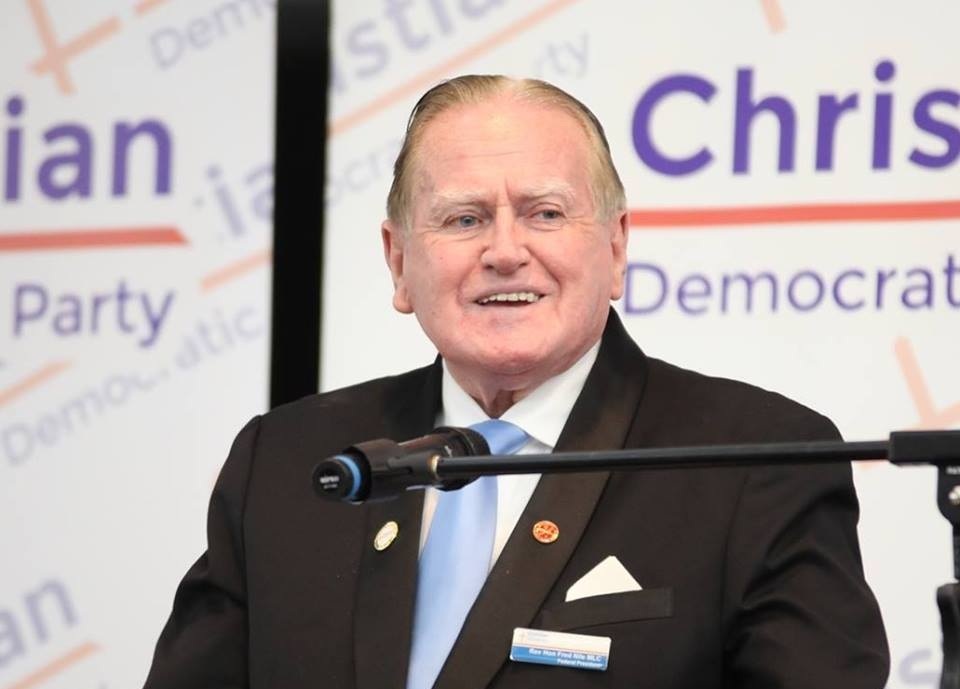
Rev Fred Nile was a fearless Christian voice in Australian politics, a tireless defender of biblical values and a controversial figure whose legacy deserves both honour and reflection.
23 November 2026
4.2 MINS
Australia’s expanding hate speech laws and online controls are raising serious questions about free expression, democratic freedoms and the future of multiculturalism in Australian society.




Great news. I doubt this would have been published elsewhere. Thank you.