



Paralympic Virtue the Highest in Sport
by George Al-Akiki
While in between workshops last week at the Australian Catholic Communications Congress, I happened to glance at the TV above the bar showing the Paralympics opening ceremony and had only one thought as I watched on.
“Is anyone else watching this?”
I hoped they were, because I and others had stumbled upon perhaps the best witness and truest examples of sporting virtue.
The Paralympics might draw fewer fans and bring in very little revenue for athletes. It’s often the under-appreciated sibling of the main Olympic event.
But victory for Paralympic athletes feels different. Gold, silver and bronze here aren’t defined by one country’s success over another. The victory of any athlete in these games feels more like a triumph and celebration of a universal human achievement.
One can also make the same argument for the traditional Olympic athletes. Yet the virtues of courage and fortitude, leading to triumph in the face of adversity, shine through even brighter because of the physical limitations of Paralympic athletes.
That is not to say people ought to take pity on Paralympians. It’s far from the point. Rather, their feats are all the more impressive and humbling to witness in their own right.
The Human Spirit
There is not a single able-bodied athlete at the top of their game who can escape the Lord’s warning in Mt 26:41: “The spirit is willing, but the flesh is weak.”
How extraordinary then that Paralympians who live with the most difficult bodily conditions show that there is no flesh over which the spirit cannot ultimately triumph.
Perhaps, then, there is an extension of these virtues of the Olympic spirit in what Paul writes, in his First Letter to the Corinthians:
“[B]y the grace of God I am what I am, and his grace to me was not without effect. No, I worked harder than all of them — yet not I, but the grace of God was with me.” (1 Cor 15:10).
“Not all flesh is the same … The body that is sown is perishable, it is raised imperishable; it is sown in dishonour, it is raised in glory; it is sown in weakness, it is raised in power.” (1 Cor 15:39, 42-23)
Paralympians are a sign of what sport can really be, a true example of triumph without ego, feats without hollow spectacle, strength without domination, and as St Paul says, power rising in “weakness”.
Here lies the virtuous spirit of sport in its truest sense. Though I may have stumbled upon the opening, I’ll be tuning in for the closing ceremony with much greater intent.
___
Republished with thanks to The Catholic Weekly. Image courtesy of Adobe.
Recent Articles:
10 October 2026
4.1 MINS
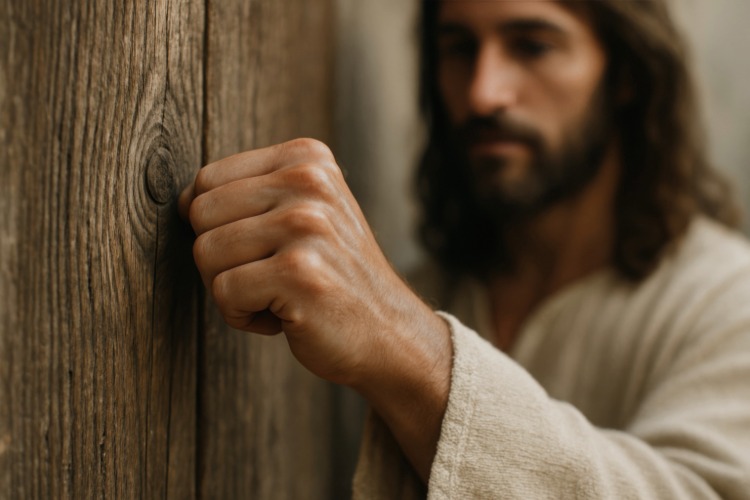
When Jesus rebuked the Laodicean church, this was not a sign of his lack of love, but proof of it and how greatly he longs to reward and bless us. He is knocking — will we answer?
9 October 2026
1.3 MINS
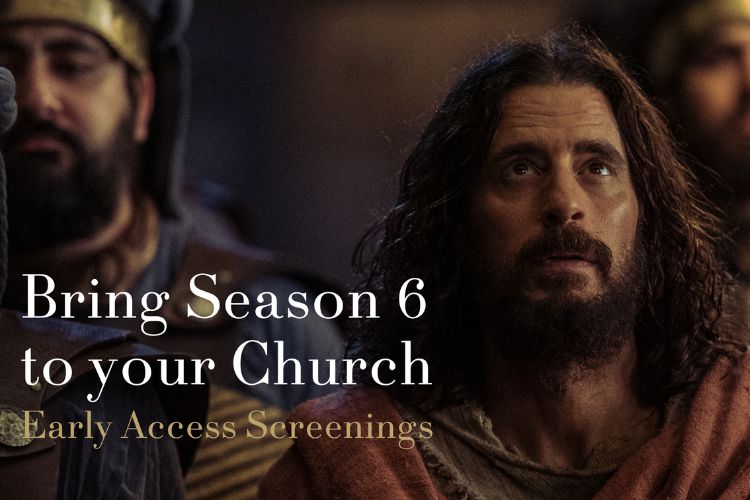
Season 6 of The Chosen is releasing next month, and until 15 November, your church has the opportunity to host a free pre-release screening of Episode 1. Here's how.
9 October 2026
2.9 MINS
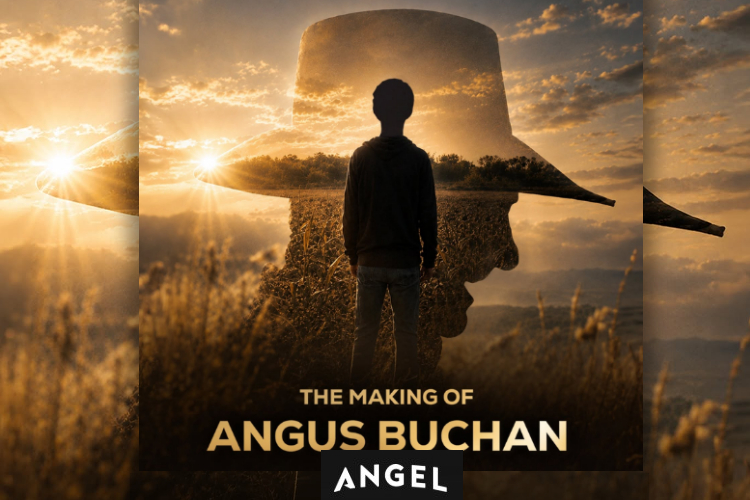
Angus Buchan’s remarkable journey from farmer to evangelist is brought to life in a new documentary now streaming, revealing the faith, family and challenges behind his public ministry.

9 October 2026
3.3 MINS
New South Wales healthcare workers who object to abortion and voluntary assisted dying face growing pressure, raising serious questions about conscience rights, employment and moral injury.
9 October 2026
2.9 MINS
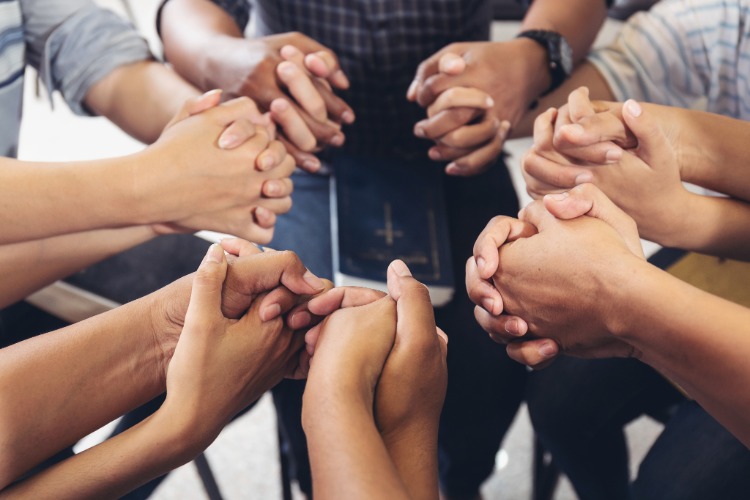
God is intensely relational, and he puts us into a community of believers so we can use our gifts in service of Christ's body.
8 October 2026
3.6 MINS
John Anderson warns that Australia’s decline is rooted in spiritual and cultural disintegration, calling for a recovery of Christian foundations, social cohesion and national purpose.
8 October 2026
4.1 MINS
Aboriginal communities in Central Australia already know the gospel message. What they need now, Robyn Murray writes, is discipleship, encouragement and Christians willing to pray and participate.


