


When Does Speaking Truth Become “Violence”? Kirralie Smith and the Triumph of the Modern Self
When does speaking your mind become an act of violence? That’s the question confronting Australia after activist Kirralie Smith was dragged through the courts for speaking about transgender athletes. Once known for its fair go and open debate, Australia is fast becoming a place where simply stating biological reality is treated as hateful, even unlawful.
The case of Smith is not just about one woman or one comment. It is about a cultural revolution sweeping the West, one that historian Carl Trueman calls the rise and triumph of the modern self. Understanding Trueman’s insights helps us see why free speech is under assault, why gender politics have become untouchable, and why the future of our freedoms hangs in the balance.
Identity Redefined
For centuries, people understood their identity in relation to God, family, and community. Today, that has been overturned. Trueman explains that we now live in an age of expressive individualism—where the self is defined by inner feelings and affirmed when others recognise them.
That’s why gender and sexuality are now treated as sacred. They are no longer just private matters but the very essence of who someone is. To deny or question a person’s chosen identity is considered a denial of their humanity itself.
So when Kirralie Smith described a transgender soccer player as a “bloke in a frock,” her words were not received as commentary about fairness in women’s sport. They were treated as an assault on the athlete’s very existence.
When Words Become Weapons
Historically, liberal democracies drew a sharp line between words and violence. Speech was protected precisely because, however offensive, it was not physical harm. That principle is being abandoned.
The courts ruled that Smith’s social media posts amounted to a “sustained campaign of belittling, harassment and intimidation.” Her intention—to speak about women’s rights in sport—was irrelevant. What mattered was the impact on feelings. In other words, words were redefined as weapons.
Trueman calls this the rise of the psychological self. In a culture where the self is fragile and inward, speech that challenges identity is considered violence. And once words are seen as violence, censorship becomes a moral duty.
Law as Therapy
This new thinking has reshaped the law. Smith was slapped with a two-year Apprehended Violence Order (AVO) that restricts her speech. New South Wales’ vilification provisions were used not just to prevent incitement, but to enforce affirmation.
Supporters claimed this was a victory for inclusion. Smith saw it differently. She has consistently argued that she was defending the integrity of women’s sport and exercising her right to free political expression. To her, the ruling represents the erosion of democratic freedom in the name of protecting fragile feelings.
Trueman foresaw this shift. In a therapeutic age, law is no longer primarily about preserving liberty, but about policing affirmation and shielding people from emotional harm.
The Identity Revolution
The sexual revolution was, at its core, an identity revolution. It placed gender and sexuality at the centre of the human self. That is why debates about bathrooms, pronouns, or sports teams carry such existential weight. If gender is who you are, then to question it is to deny your existence.
This is why Smith’s words were framed not as political opinion but as vilification. In this cultural logic, dissent from gender ideology is not disagreement—it is hatred. And if hatred, then it must be silenced.
From Recognition to Coercion
Trueman warns that once identity is detached from objective reality, it will not stop at seeking tolerance. It will demand recognition and, ultimately, coercion.
That is exactly what we see in Smith’s case. Courts, media outlets, and activists joined in declaring her dissent intolerable. She now faces reputational damage, restrictions on her speech, and even the prospect of mandated re-education. The message is chilling: you may not disagree.
A Broader Pattern
Smith’s case is not an outlier. Across Australia, universities have shut down speakers critical of gender ideology, citing safety concerns. Media outlets have tightened their grip on acceptable language, equating disagreement with bigotry. Legal rulings increasingly favour protections against vilification over protections for free debate.
Together, these trends show that expressive individualism is not just a theory. It is a cultural force reshaping Australia’s public square.
This Is Bigger Than Australia
Nor is this unique to us. In the United Kingdom, authors like J.K. Rowling has been vilified for defending women’s spaces. In Canada, laws compelling the use of pronouns have sparked fierce battles over freedom of conscience. In the United States, “cancel culture” has cost professors and public figures their jobs for questioning gender dogma.
The same logic is at work everywhere: when identity becomes sacred, free speech becomes sacrilege.
A Clash of Visions
At its heart, this is a clash between two competing visions of society. The first, rooted in traditional liberal democracy, sees free speech as the bedrock of civic life, protecting even unpopular or offensive ideas. The second, rooted in expressive individualism, elevates identity to untouchable status and treats dissent as intolerable harm.
Australia is now at the crossroads. Will we protect open debate, or will we criminalize disagreement in the name of affirmation?
For Christians, the stakes go even deeper. Our culture says identity is found within, in fragile feelings. But Scripture declares that our identity is found in Christ, secure and unshakable. This is the only true freedom—freedom to speak the truth in love, even when the world calls it hate.
Conclusion
The Kirralie Smith case is more than a legal battle. It is a warning. If calling a man a man is now treated as violence, then free speech is not the only casualty. Truth itself is being outlawed.
The choice before us is stark. Will Australia defend its heritage of freedom, or will it bow to the fragile self of expressive individualism? Trueman’s analysis makes clear: the future of our democracy, and the witness of the church, depends on which vision we choose.
___
Image courtesy of Adobe.
3 Comments
Leave A Comment
Recent Articles:
26 October 2026
4.5 MINS
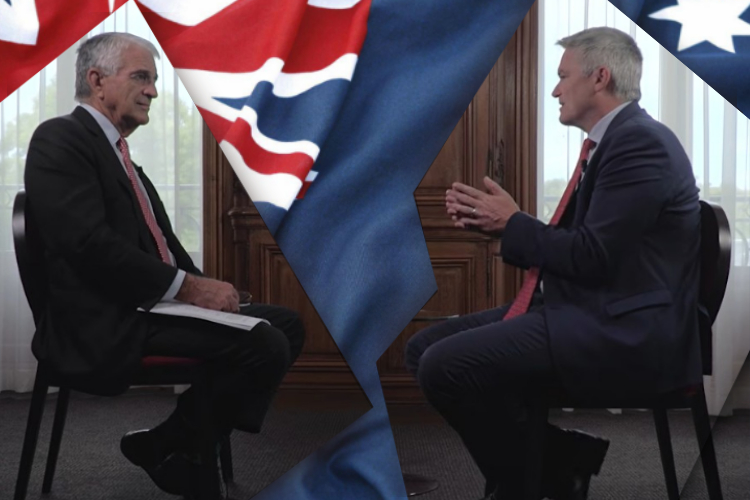
OECD chief Mathias Cormann warns Australia is losing its competitive edge, as excessive regulation, housing pressures, immigration challenges and declining public trust threaten national prosperity.
26 October 2026
2.5 MINS
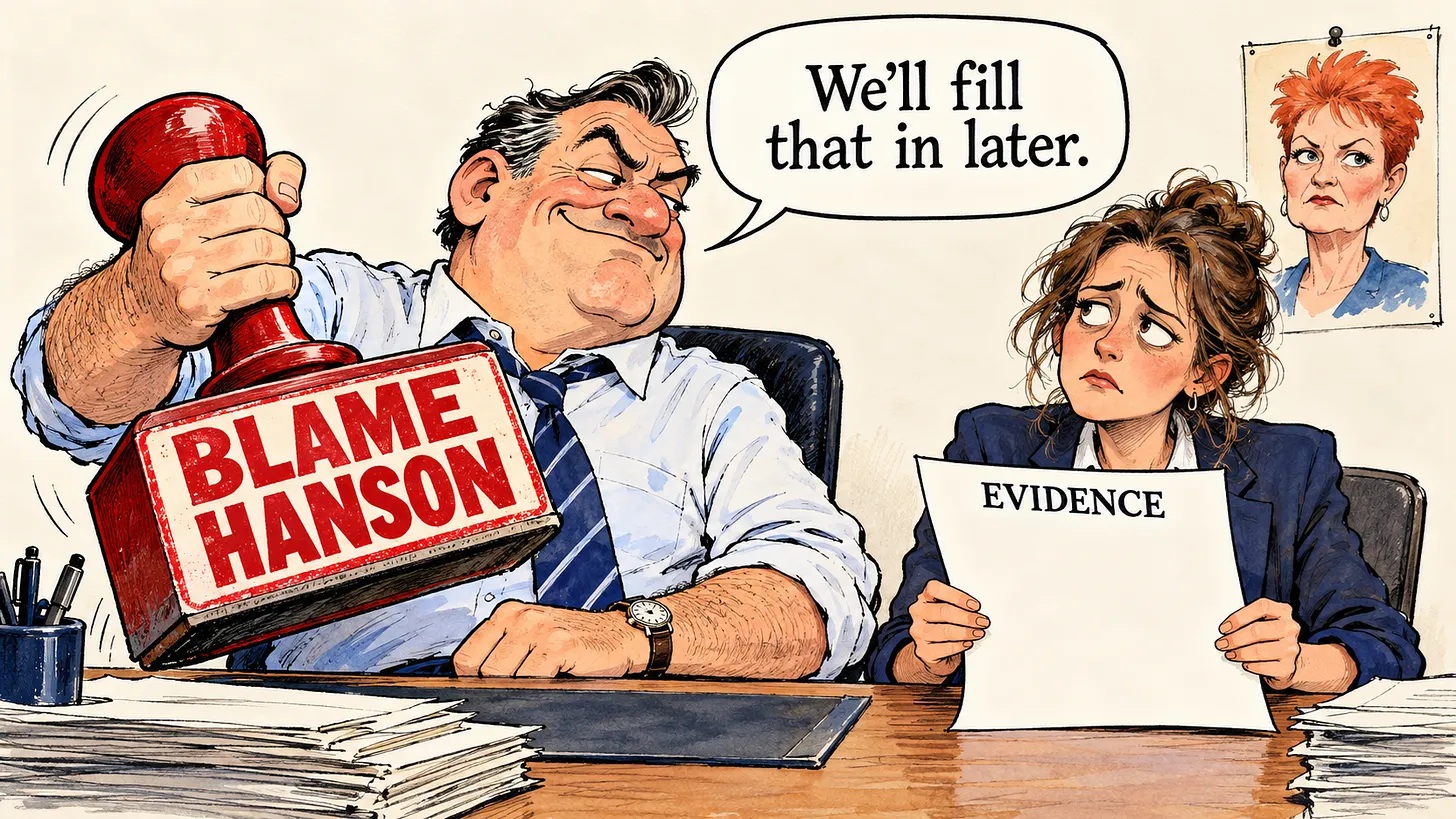
Nation First exposes the rush to weaponise the Haines attack against Pauline Hanson, conservative voices and men before investigators established a motive.

26 October 2026
5.1 MINS
Anthony Albanese calls for civility after the Helen Haines attack, but revelations of a political dirt file raise uncomfortable questions about his government’s own conduct.

26 October 2026
3 MINS
Australia’s national resilience inquiry overlooks a critical weakness: decades of deindustrialisation have left the nation dangerously dependent on imports, unprepared for compounding threats and strategic disruption.
26 October 2026
2.9 MINS
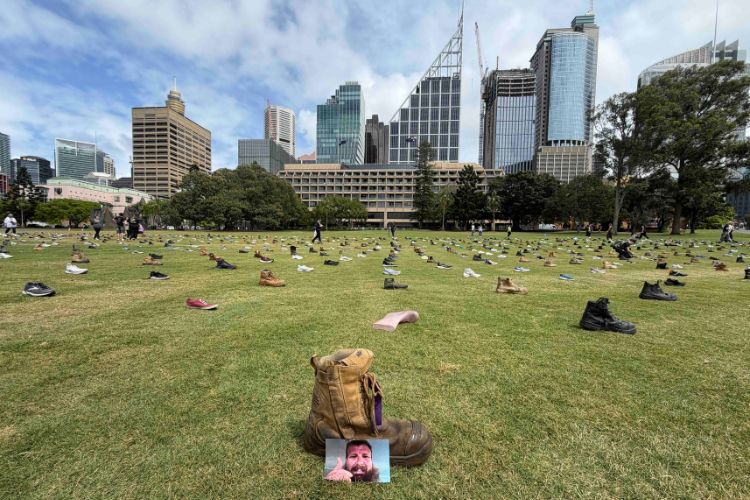
A powerful display of thousands of shoes highlights Australia’s escalating male suicide crisis, while Dads4Kids celebrates fatherhood, family connections and practical action to strengthen generations.
26 October 2026
3.2 MINS
Following Paul's example in Ephesians 1, let us pray for the Father to open the eyes of our hearts so that we may grasp the hope of his calling, the riches of his glorious inheritance in the saints, and the greatness of his power towards us who believe.

25 October 2026
4 MINS
Prayer is active partnership with God, and he is awakening his body to prayer, not by might or by power, but by his Spirit.



Brilliant article Tim!!!!!!
Yes, brilliant article and full of acute observation of this modern hell on earth.
How did we manage to move so far from the One who rightly stated “I AM the truth!?” And who in their right mind could expect the Church to thrive, If the very word of God is being trampled on and replaced by a human philosophy?