


The Future of the Underground Church in North Korea
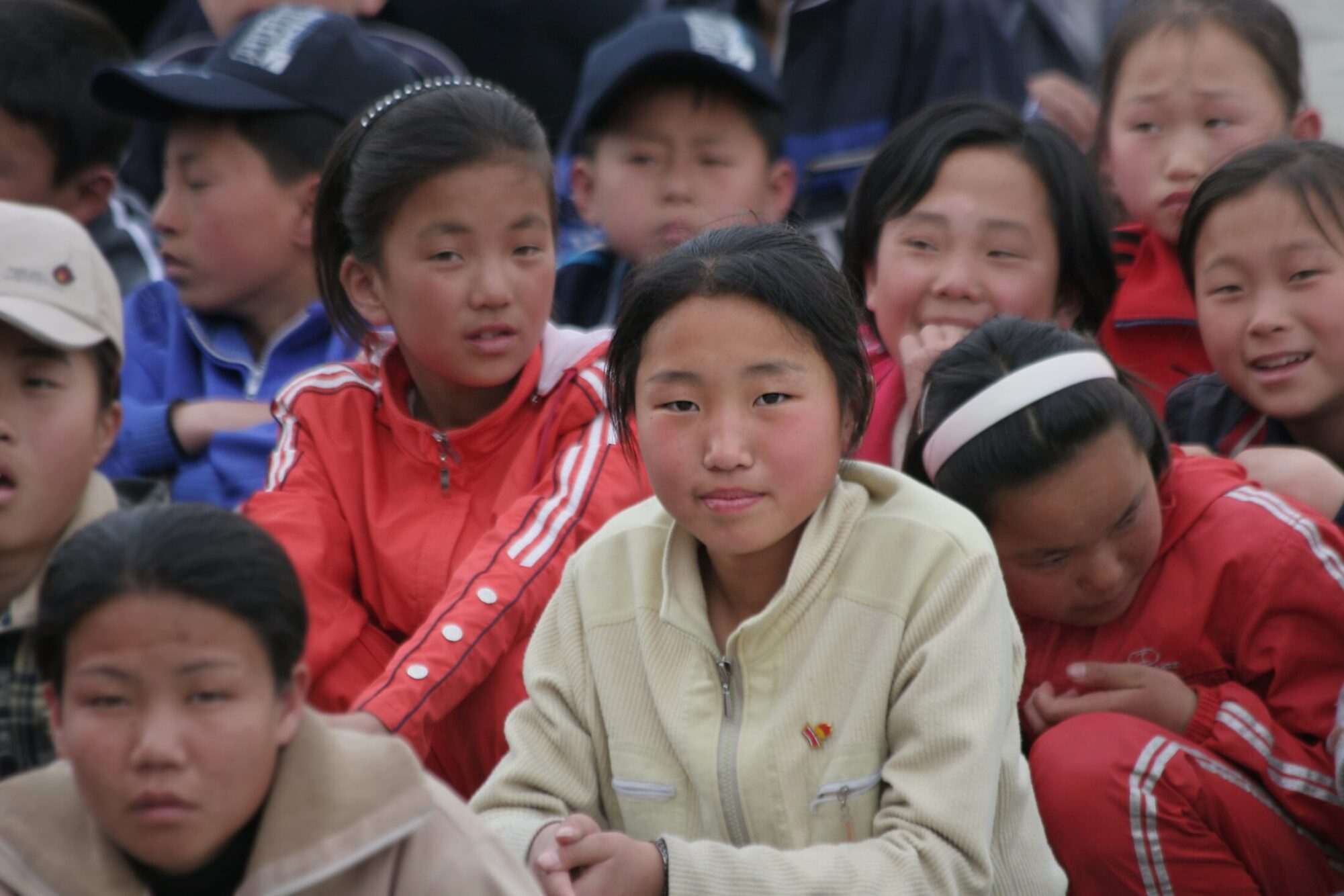
Late at night in a cramped apartment block, a teenager hides under a blanket with a small, smuggled device. A TV show flickers on the screen. For a few stolen minutes, the young girl glimpses another world filled with laughter, colour—and freedom. Then she remembers where she lives and quickly switches off the device and hides it again. The grey reality of life under one of the world’s most repressive regimes closes in.
This is the life of a young person in North Korea.
Today’s North Korean youth live in a three-pronged tug-of-war between competing influences: their government’s strict control, the allure of forbidden pop culture, and the search for meaning through superstition or hidden faith. To understand them, we must recognise the multiple forces pulling at their hearts and minds.
The Pull of South Korean Culture
Despite harsh penalties, South Korean media slips across the border through USB sticks, SD cards, and MP4 players. For many young people, these shows and songs offer a glimpse of life beyond the barbed wire of their nation. They see trendy clothes, bustling cities, romance, and friendships that look strikingly like their own—yet the people on the screen live in freedom.
North Korean authorities know how dangerous such images can be. In recent years, the regime has tightened punishments for owning or sharing foreign media. Youth caught singing K-pop lyrics or even mimicking clothing styles seen in dramas risk loss of school placement, detention, or mandatory public criticism sessions—“life review” meetings where citizens must publicly criticise themselves and one another. These sessions remain a fundamental tool of social control.
Yet the hunger for another vision of life remains strong. For some, this secret exposure becomes a seed of hope: life could be different.
The Pull of Repression
Against this backdrop of curiosity stands the heavy hand of the state. Every school, youth organisation, and neighbourhood committee exists to enforce loyalty to the ruling Kim family. From an early age, children are indoctrinated—required to memorise ideological slogans, participate in ceremonies, and report on each other.
North Korean youth grow up under constant surveillance. Teachers, peers, and even relatives can become informants. In such an environment, trust is fragile and genuine self-expression is dangerous. The regime’s goal is clear: to shape not only outward behaviour but inner thought. Those who deviate risk punishment not only for themselves but also for their families.
This oppression- and fear-based culture, along with the regime’s zero tolerance and severe punishment of Christianity and other religions, has given North Korea the rank of No. 1 on Open Doors’ World Watch List.
When official ideology fails to provide hope, many young people turn elsewhere. For a generation facing economic crisis, food shortages, and uncertain futures, superstition offers the illusion of control. Reports indicate a growing reliance on fortune-tellers and superstitious practices among the country’s youth. Astrologers, palm readers, and shamans—despite being illegal—are thriving in quiet corners of society.
A whispered prediction about marriage, work, or health feels more practical than government slogans. The persistence of these practices shows the deep hunger for guidance in a country where truth is censored and the future is bleak.
Saving the Next Generation
North Korean Christians are especially concerned about these forces pulling at the next generation. Believers have shared with Open Doors that they are often unable to speak about their faith with their young children. Most parents must wait until their children are old enough to keep the family secret. Meanwhile, in their silence, their children are exposed to state ideology, K-pop culture, and dangerous spiritual influences.
“The future of the underground church depends on the next generation,” says our Open Doors team, who lead efforts to pray for and support North Korean Christians through networks outside the country. “Our mission as Christians is to raise the next generation in the faith and to strengthen them.”
One North Korean Christian says reaching the next generation and raising up capable leaders are the biggest needs:
“We hope to nurture them so that they can fulfil their God-given purpose and mission.”
Despite immense challenges, he remains committed to investing in the next generation:
“We continue to advance the ministry entrusted to us. A leader who genuinely cares about and takes responsibility for the future of the church will devote themselves wholeheartedly to raising the next generation. The time and effort invested in this will surely bear good fruit. However, if this task is postponed or neglected, the church’s vitality will weaken, and the loss will be irreparable. Therefore, we will work diligently to fulfil this task.”
Why It Matters
North Korean youth today represent both vulnerability and possibility. Vulnerability, because they are exposed to poverty, indoctrination, and deception. Possibility, because seeds planted now—whether through culture, superstition, or faith—will shape the future of the nation.
The underground church recognises this. In secret, believers pray for their children and grandchildren to remain faithful. Field workers risk everything to disciple young visitors who briefly cross the border, and global Christians are called to stand with them.
A Call to Prayer
God, we pray for the youth of North Korea.
We pray for a day when the rising generation of North Koreans will no longer live under fear, but will be free to seek truth, to dream, and to openly worship You.
To find out more about the underground church in North Korea and how you can pray, please visit Open Doors Australia.
One Comment
Leave A Comment
Recent Articles:

4 October 2026
3.5 MINS
As children of the day, let us live freely out of our identity and awaken those around us from spiritual sleep. We carry more than faith for a great awakening — we are the awakeners.

3 October 2026
3.7 MINS
The Church is called to be counter-cultural not to be merely contrarian, but because we love God and people. In this world, that will mean going against culture that is contrary to God.
2 October 2026
2.6 MINS
NSW Libertarian Gemma Noiosi is challenging taxpayer-funded activist events, arguing government grants should not bankroll controversial projects or private cultural ventures.
2 October 2026
11.6 MINS
New evidence challenges prevailing assumptions about adolescent sexuality and gender medicine, urging parents, clinicians and Christian leaders to prioritise honest inquiry, careful care and scientific integrity.

2 October 2026
6.6 MINS
A foiled airline attack highlights the courage of passengers and crew who confronted danger, while raising urgent questions about jihadist terrorism and the ideology behind it.
2 October 2026
3.4 MINS
New research highlights the strong links between active Christian faith, marital happiness, sexual satisfaction, family stability and the formation of future generations.

2 October 2026
3.3 MINS
The Lord wants us to pray from a place of faith and resting in him. We can't awaken the Church, but he can — and he wants to do just that.



Thank you Anna. North Korea has long been a focus of my international prayers.