


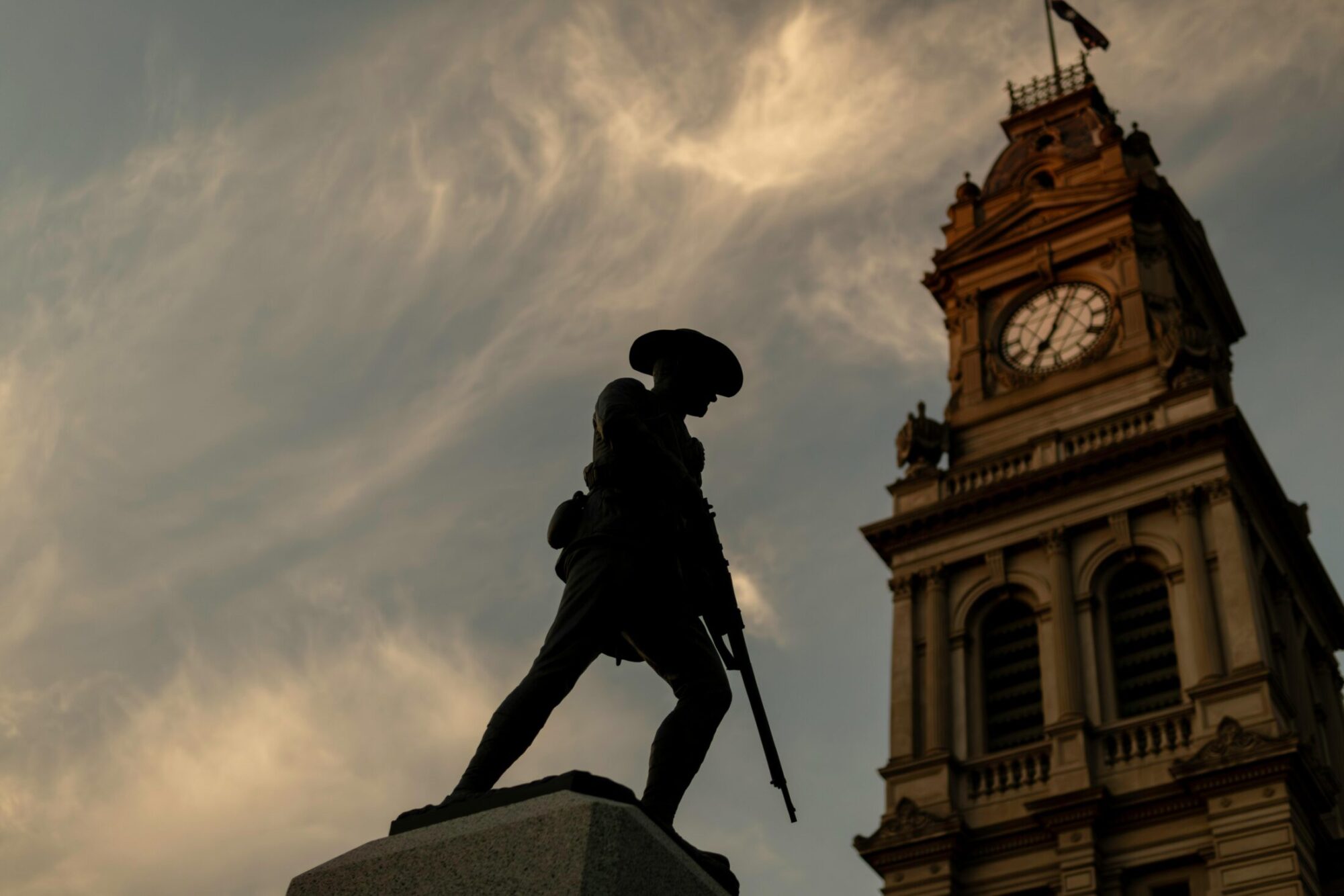
Lest We Forget
Rudyard Kipling’s powerful poem Recessional, composed at his home in Sussex, England, in the Northern summer of 1897, is a sobering reminder for us to learn the lessons of history. According to historical accounts, Kipling was unhappy with his first draft and threw it in the bin. His wife, Caroline, rescued it and insisted he finish it. Almost 130 years later, the poem is as potent as when it was written.
God of our fathers, known of old,
Lord of our far-flung battle-line,
Beneath whose awful Hand we hold
Dominion over palm and pine—
Lord God of Hosts, be with us yet,
Lest we forget—lest we forget!The tumult and the shouting dies;
The Captains and the Kings depart:
Still stands Thine ancient sacrifice,
An humble and a contrite heart.
Lord God of Hosts, be with us yet,
Lest we forget—lest we forget!Far-called, our navies melt away;
On dune and headland sinks the fire:
Lo, all our pomp of yesterday
Is one with Nineveh and Tyre!
Judge of the Nations, spare us yet,
Lest we forget—lest we forget!If, drunk with sight of power, we loose
Wild tongues that have not Thee in awe,
Such boastings as the Gentiles use,
Or lesser breeds without the Law—
Lord God of Hosts, be with us yet,
Lest we forget—lest we forget!For heathen heart that puts her trust
In reeking tube and iron shard,
All valiant dust that builds on dust,
And guarding, calls not Thee to guard,
For frantic boast and foolish word—
Thy mercy on Thy People, Lord!
In addition to being a poignant prayer, it’s a sobering assessment of the scourge of war. As American Civil War Confederate General Robert E. Lee said in 1862, “It is well that war is so terrible, or we shall grow too fond of it.” Indeed.
To clarify, I’m not a pacifist. As a young boy, stories of brave men fighting in battle captured my imagination. I have deep admiration and great respect for any man or woman who is willing to risk their lives for their country. War is indeed a terrible, awful thing, but the reality is that if we want peace, then we must be prepared for war.
As the great economist Thomas Sowell wrote in 1980:
If you are not prepared to use force to defend civilisation, then be prepared to accept barbarism.
Anzac Day offers Australians and New Zealanders a moment to acknowledge not only the tragedy of war but also honour the sacrifices so many have made in service to our great nations. Yes, we have many challenges, but thanks to our countrymen, Australia and New Zealand are still two of the safest, most blessed nations on earth.
It was brave men, the original ANZACs (Australian and New Zealand Army Corps) who landed at Gallipoli, or Gelibolu, Turkey in 1915. It was the first major military action for both nations in World War 1. The campaign lasted 8 months, and while it was ultimately a strategic disaster with over 34,000 ANZAC casualties, it was a defining moment for our fledgling countries.
During World War 2, brave men defended Australia from the Imperial Japanese Army. In Papua New Guinea, many thousands of Australians were killed or wounded during the Kokoda Trail Campaign and Battle of Buna-Gona. Our debt to these men is great.
Since 1915, over 1.5 million brave Australians and New Zealanders, the great majority of them men, have served in their respective armed forces across major conflicts and peacekeeping operations. Over 130,000 of these have paid the ultimate price with their lives. Their sacrifice is immense. Their legacies live on, and their stories must be shared with the next generation.
Lest we forget.
Lovework
Make sure you commemorate Anzac Day this Saturday, 25th April. Share Kipling’s Recessional with your friends and family. If you can, take your kids to a Dawn Service – click here to find one near you and discover more ways to commemorate ANZAC Day. As the Returned & Services League of Australia writes, no matter how you commemorate ANZAC Day, it only matters that you do.
Lest we forget.
Yours sincerely,
Nathaniel Marsh
P.S. The true story of brave Kiwi soldier Sgt. Haane should be in Australian cinemas later this year. The documentary-drama, from award-winning writer and director Tearepa Kahi, follows Lance Sgt. Haane Manahi DCM (Te Arawa, Ngāti Raukawa) of B Company, 28th Māori Battalion during WW2. A soldier of extraordinary courage, his actions proved pivotal in the 1943 battle for the fortified summit of Takrouna, Tunisia. Find out more here.
P.P.S. If you’re encouraged by the work of Dads4Kids and can support our vision to help dads be the best they can be for their children, please consider making a tax-deductible donation here.
___
Republished with thanks to Dads4Kids. Image courtesy of Pexels.
One Comment
Leave A Comment
Recent Articles:

27 October 2026
1.5 MINS
Labor’s Digital Duty of Care Bill threatens free speech, empowers covert online surveillance, and imposes potentially burdensome regulations on Australian businesses.

27 October 2026
10.3 MINS
As Tasmania and Western Australia consider conversion therapy bans, a former LGBT+ ministry leader warns of threats to religious freedom, personal choice and Christian discipleship.

27 October 2026
4.9 MINS
Nine Christians have been killed in a terrorist attack on a Jordanian church, prompting fierce condemnation, demands for justice and renewed concerns about religious persecution.
27 October 2026
3.6 MINS
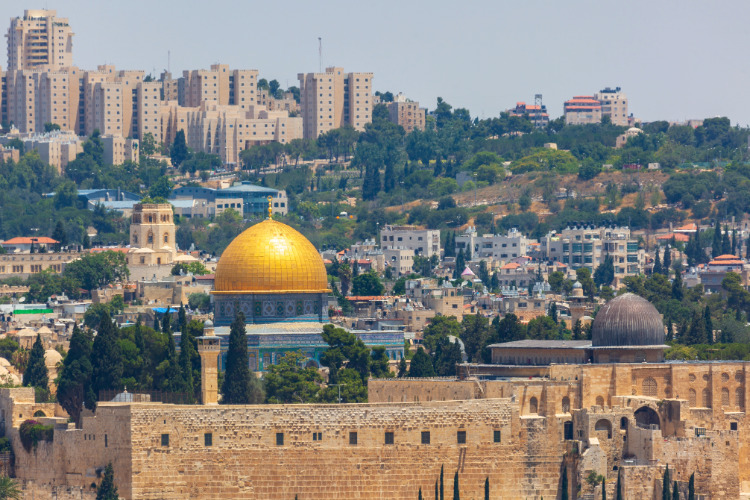
For 25 years, the Mount Moriah Trust has supported struggling Christians across the Holy Land, bringing practical assistance, encouragement and hope to believers facing hardship and persecution.

27 October 2026
1.3 MINS
Moira Deeming’s re-election campaign has energised Family First supporters, raising $90,000 as the party prepares for a crucial Victorian election and a potential breakthrough.
27 October 2026
3.1 MINS
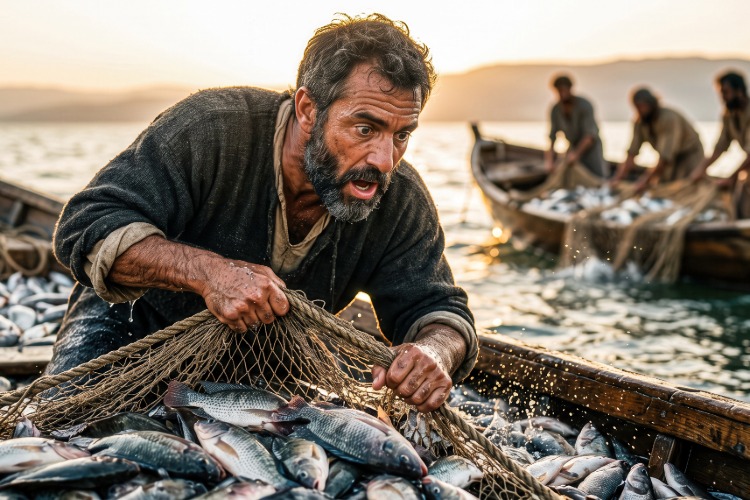
As the disciples discovered through a huge haul of fish, we can trust Jesus for a net-breaking, boat-sinking catch of people.

26 October 2026
4.5 MINS
OECD chief Mathias Cormann warns Australia is losing its competitive edge, as excessive regulation, housing pressures, immigration challenges and declining public trust threaten national prosperity.



This is the link to an excellent article by the IPA on how ANZAC Day had been implemented as a Christian commemoration service and the history behind ANZAC Day. It answers why we have prayers hymns and addresses by clergy at ANZAC Day.
The narrative of Jesus’s love for all human kind and His sacrifice on the cross has so many parallels found in the story of the ANZACS. There are also parallels of how we as the church is to function as seen in the unity of purpose, mateship, and the never give up spirit until the job is done attitude shown by the ANZACS.
https://ipa.org.au/ipa-review-article/our-most-sacred-day