



A Glaring Typo in the Bible or a Hidden Deeper Meaning?
Imagine for a moment the importance and the weight of responsibility involved in composing a hymn for use in the Temple of Ancient Israel. Imagine further that the hymn you make is released to the nation, accepted and ultimately scheduled to be included in the Bible. It is an exciting, life-transforming moment, until your stomach suddenly begins to churn uncontrollably as you realise you have made a dreadful and glaring mistake!
Psalm 145 is an “acrostic” psalm, which simply means that each new line begins with the next letter of the Hebrew alphabet. While this is a common feature used in several passages of the Bible, in this Psalm it actually misses a letter in the sequence. It would be the equivalent of us singing the kindergarten “ABC song” and omitting a letter in the song, an obvious and embarrassing mistake to make!
Bible critics might rush to celebrate this apparent mistake, but could it be that this was actually no mistake, and that it rather contains a deeper meaning sent by God Himself?
Acrostic Passages in the Bible
Before we look into the issue of the ‘typo’ of Psalm 145, let’s first gain a better understanding of how acrostic texts work by looking at some other well-known portions of Scripture.
Proverbs 31:10-31 starts each line with the next letter of the Hebrew alphabet as it describes the ‘virtuous’ woman. It uses the complete Hebrew alphabet – from beginning to end – to describe this perfect and complete woman.
While many are familiar with the Proverbs 31 passage, few realise that Psalm 112 is a parallel passage describing the blessed and perfect man. It similarly uses the whole alphabet acrostically to describe this complete and perfect man.
The book of Lamentations is also acrostic as it describes the complete judgment and fullness of sorrow surrounding Jerusalem’s destruction in the days of Jeremiah the prophet.
Psalm 119 is the most famous acrostic text in the Bible, dedicating 8 verses to each new letter of the alphabet. This is no mean feat – compare this to the effort required to write a song in English having 8 lines beginning with each letter, including the letters x and y! Psalm 119 uses the whole Hebrew alphabet as it describes the complete perfection of God’s law and ways.
In summary, we can see that acrostic passages are a literary tool used to describe a complete and whole situation or person, like an “a-z” description of something.
Solving the Psalm 145 Mystery
Having looked at these texts, let us turn our attention back to Psalm 145.
This Psalm acrostically describes God’s mercies and compassion until we encounter verse 14 where it skips one letter – the letter nun. Nun (the equivalent of our English letter ‘n’) is the first letter of the common Hebrew word ‘nafal’ – meaning ‘to fall’. (Note the Biblical word ‘nephilim’ – the fallen ones – comes from the same word ‘nafal’).
Instead of starting with the letter ‘nun’, verse 14 begins with a word meaning “to support or lift up” using the next letter of the Hebrew alphabet. The full text is “The Lord supports and lifts up those who fall (nafal)”. The letter nun is used after all, but only after describing how God is the one who mercifully lifts and supports us in the moment of our fall.
We all have times in our lives when we have fallen short of God’s ways, shameful times symbolised by the letter nun. As we look back over our mistakes, we can feel shame, guilt and regret, wishing we had never made those bad choices. Thankfully, we serve a merciful God, who promises forgiveness as we turn to Him and confess our sins (1 John 1:9). Furthermore, He promises to throw our sins into the sea (Mic. 7:19). As the late Corrie Ten Boom famously said, God then erects a sign saying “No fishing”!
Having been cleansed from our sins, in God’s eyes, it is as if we were perfect all along.
I believe that the skipping of the letter nun in this Psalm is no accident – and that the author is cleverly using the Hebrew language to bring home to us the fact that through God’s mercy, our nun is taken away, as He lifts us up from our fall. Praise God for His mercy!
___
Image courtesy of Adobe.
2 Comments
Leave A Comment
Recent Articles:

25 September 2026
3.1 MINS
Australian and New Zealand mounted troops continued their Holy Land campaign beyond Beersheba, culminating in the fierce battle at Semakh and the defeat of Ottoman forces by the Australian Lighthorse and the New Zealand Mounted Rifles.
25 September 2026
1.9 MINS
The Church is God's choice to reach Australia. But is the Church largely asleep? Join the Canberra Declaration during 72 hours of prayer and worship to renew our love for God and prepare for 31 days of prayer for the Church in October.

24 September 2026
3.6 MINS
All Blacks and Springboks players united in prayer after their Baltimore clash, while Christian captain Siya Kolisi and Ardie Savea continue to testify openly about Jesus.

24 September 2026
4.8 MINS
The Digital Duty of Care Bill claims to be about safety. But the actual wording allows the Minister for Communications to decide what "harm" means, and a senator has already confirmed who that power is really meant to silence.
24 September 2026
3.4 MINS
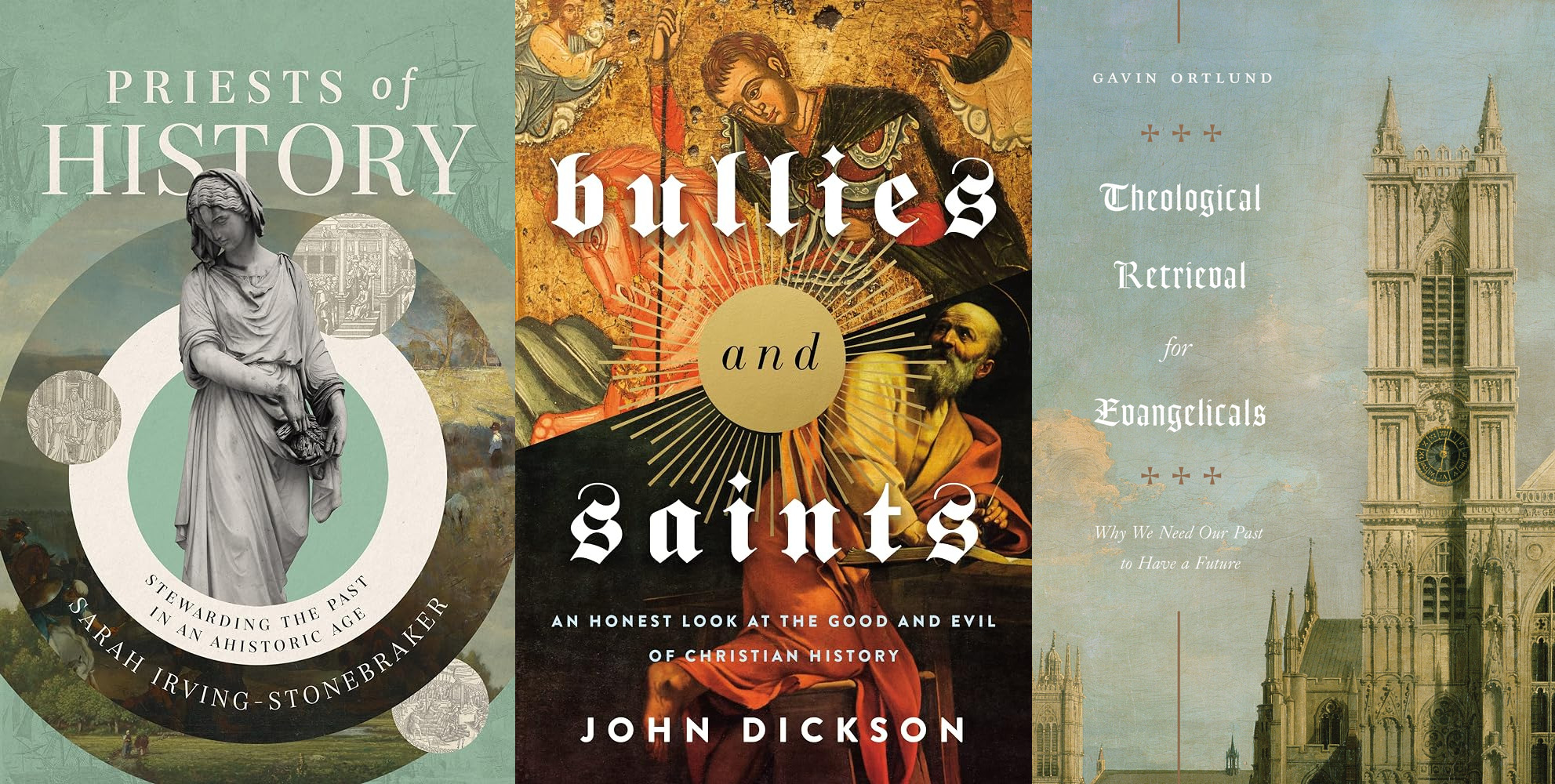
Rediscover the rich story of Christianity with two accessible histories that help evangelicals recover their heritage, confront the Church’s failures, and deepen their understanding of the faith.

24 September 2026
6.3 MINS
True redemption is far more than a public comeback or second chance. Scripture points to Christ’s costly sacrifice, repentance, surrender and resurrection.

23 September 2026
3.9 MINS
Italy’s euthanasia debate has reached a troubling new stage, with doctors facing criminal investigation after refusing to participate in assisted suicide.



What a delightful article ! Thank you Enoch !
Though the fig tree does not blossom
Any there be no fruit on the vine;
Though the produce of the olive fail
And the fields yield no food;
Though the flock be cut off from the fold
And there be no sheep in the stall –
Yet will I rejoice in the LORD !
I’ll rejoice in the God of my salvation –
God the LORD is my strength !
Amazing. After studying God’s word for a long time, I have never come across this acrostic proof of His inspiration given to the writers of the Bible. Love it.