Pro-Life is Pro-Science: Personhood and Biology are Linked
It is commonly claimed that pro-life advocates are anti-science and draw on ‘mere’ religion to advance their perspective. Historian of philosophy Nancy R. Pearcey disagrees: she says personhood and biology are inseparable.
In a 1996 opinion piece in First Things, legal academic Stanley Fish wrote the following:
A pro-life advocate sees abortion as a sin against a God who infuses life at the moment of conception; a pro-choice advocate sees abortion as a decision to be made in accordance with the best scientific opinion as to when the beginning of life, as we know it, occurs.
According to this perspective, science supports “progressive” abortion legislation. In contrast, religion is often the only basis for the pro-life view.
A New Perspective on the Abortion Debate
In a part of her recent book, Saving Leonardo: A Call to Resist the Secular Assault on Mind, Morals and Meaning, worldview scholar Nancy R. Pearcey blows this theory out of the water.
She says that today, “due to advances in genetics and DNA, virtually no ethics denies that the fetus is human: biologically, genetically, scientifically human”. Instead, pro-abortion advocates attempt to deny that being a human, per se, confers moral status on an individual. Hence, one does not have the right to life merely because one is a human.
According to Hans Küng, a liberal Catholic theologian, “a fertilised ovum evidently is human life but is not a person”. Even Peter Singer, a controversial Princeton ethicist, concedes that “the life of a human organism begins at conception”.
Consequently, to maintain their position on abortion, pro-abortionists must look for other criteria that constitute “personhood” rather than “humanness”. In short, being a human does not give one the right to life. Being a person does.
What Constitutes a Person?
Today, bioethicists are struggling to come up with a clear-cut definition of what constitutes a person. When does someone become a person – if not at the moment of conception? What makes one a person – if not the biological reality that one is also a human?
Singer insists that it is “self-awareness” that makes someone a person. Others, like Miranda Sawyer, argue that a fetus becomes a person before birth, at some undefined point:
Once an embryo has developed enough to feel pain, or begin a personality, then … ending that life is wrong.
In contrast, John Harris considers a person someone “capable of valuing its own existence”. Hence, if “they cannot wish to live, they cannot have that wish frustrated by being killed”.
Nonetheless, as Pearcey points out, these “conflicting definitions demonstrate how tricky it is to define personhood once it is cut off from the sheer fact of being biologically human.” This vagueness can also lead to far more sinister opinions on when life worth protecting begins.
For instance, according to Pearcey, James Watson “recommended waiting until after birth and giving a newborn baby three days of genetic testing before deciding whether it should be allowed to live.”
Astonishingly, Singer goes further, considering personhood a ‘gray’ area up to three years after birth. As Pearcey comments, “After all, how much cognitive functioning does a toddler have?”
Pro-Life Equals Pro-Science
These views demonstrate that it is not really pro-lifers who are approaching the question from a subjective, metaphysical perspective. Even Fish had to “eat his words”, according to Pearcey:
Nowadays, it is pro-lifers who make the scientific question of when the beginning of life occurs the key one … pro-choicers want to transform the question into a ‘metaphysical’ or ‘religious’ one.
Pearcey concludes with these chilling words:
Once the concept of personhood is detached from biology, it becomes subjective and arbitrary – opening a door to inhumanity and oppression. Anyone at any stage of life could be demoted to the status of ‘non-person’ and denied the right to live.
Advocates for life need to recognise that science is actually on our side. When human life starts is no longer a controversial question.
Source: Unless otherwise linked, all quotes are from, or cited in, Nancy R. Pearcey, Saving Leonardo: A Call to Resist the Secular Assault on Mind, Morals, & Meaning, Nashville, B&H Publishing Group, 2010, pp. 53-55.
Image by Giang Nguyen on Unsplash.
Recent Articles:
26 October 2026
5.1 MINS
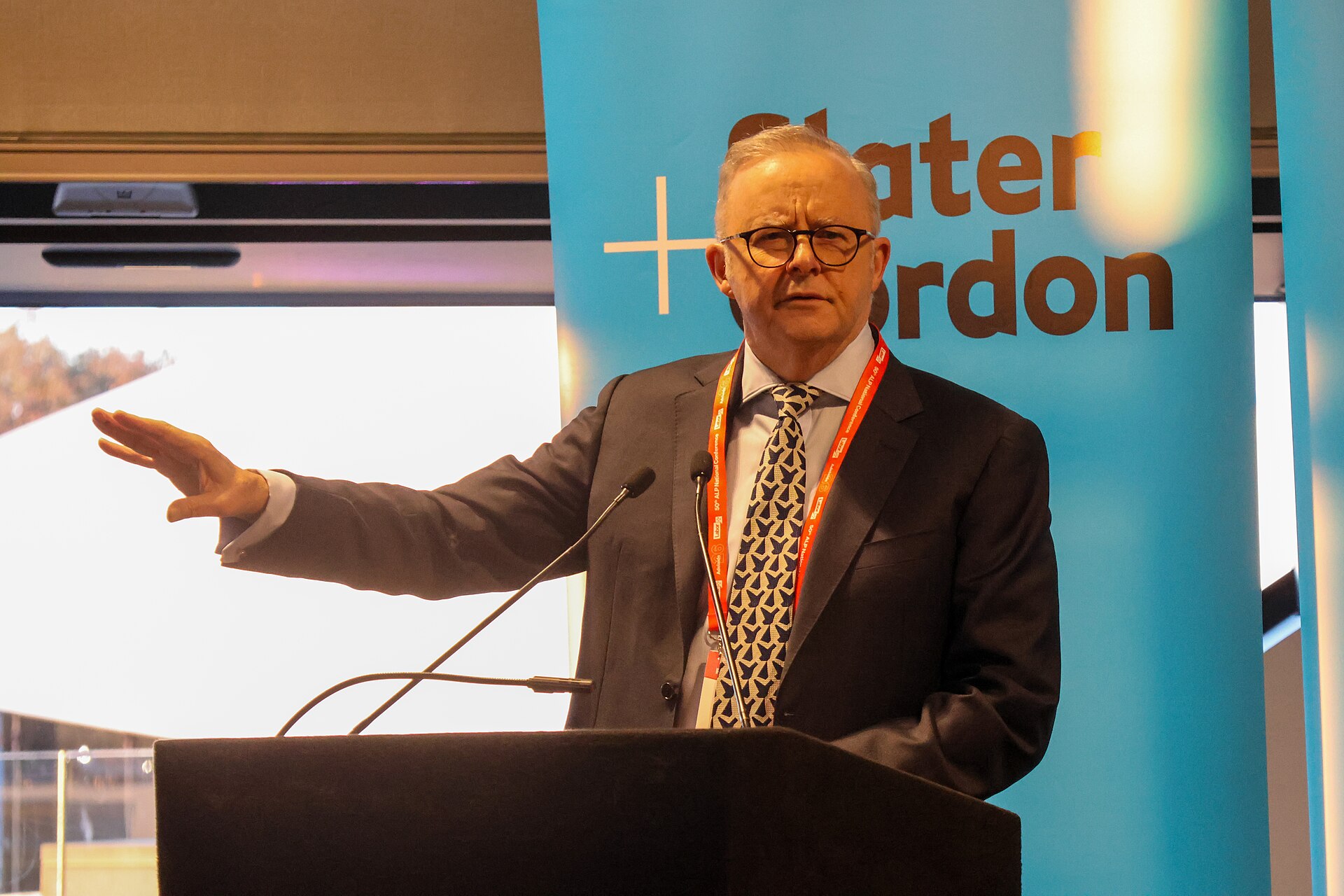
Anthony Albanese calls for civility after the Helen Haines attack, but revelations of a political dirt file raise uncomfortable questions about his government’s own conduct.
26 October 2026
2.9 MINS
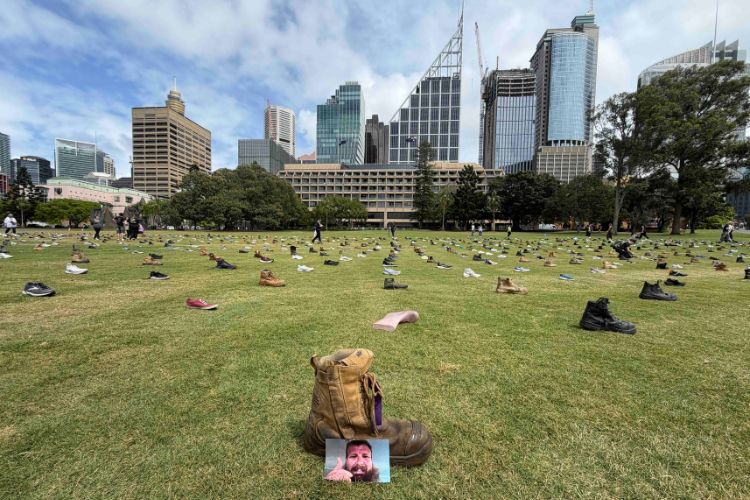
A powerful display of thousands of shoes highlights Australia’s escalating male suicide crisis, while Dads4Kids celebrates fatherhood, family connections and practical action to strengthen generations.
26 October 2026
3.2 MINS
Following Paul's example in Ephesians 1, let us pray for the Father to open the eyes of our hearts so that we may grasp the hope of his calling, the riches of his glorious inheritance in the saints, and the greatness of his power towards us who believe.
25 October 2026
4 MINS
Prayer is active partnership with God, and he is awakening his body to prayer, not by might or by power, but by his Spirit.

24 October 2026
3.3 MINS
When we ask God, "What is in my hand?", and see our possessions, money and time as seed that God asks us to sow, life becomes simpler.
23 October 2026
6.8 MINS
Hillsong UNITED’s Joel Houston reflects on fame, faith and the burden of ministry, questioning performative Christianity as he seeks a more authentic walk with God.
23 October 2026
13.1 MINS
Tasmania’s proposed conversion practices legislation raises serious questions about religious freedom, pastoral care and whether Christians can freely pray with those seeking to live according to their faith.