



The Decline of Marriage Among Young People
This podcast examines the factors behind the decline of marriage and the abysmal fertility rates of modern Western culture, even amongst conservatives. Profound sociological changes and the decline of religiosity have contributed to the lessened impetus to marry. Can we reverse this trend?
In this episode of the Ruth Institute Podcast, we tune in to the Drew Mariani Show on Relevant Radio.
Natural State
Father Sullins, Ruth Institute’s Senior Research Associate, explains that marriage is a pre-governmental, transcendent institution, being founded in the Garden of Eden.
Yet, despite this glorious aspect, it has suffered major blows within the past seven decades, so much so, that it can be described as a universal decline of marriage.
Loss of Humanity
As he highlights in this podcast, inhumanity amongst young people has advanced to its heights, and this is largely because of advanced technology and social media. This inhumanity has led to the decline of young persons meeting and marrying each other.
This phenomenon also operates concurrently with what sociologists call the Advanced Specialisation of Modernity: that all of the functions in society that used to be grouped together have been differentiated and parcelled out from each other.
All of the goods and functions of marriage have come to operate independently from the institution itself.
No Motivation
Formerly, in marriage, men and women sought companionship, sex-relations, children, financial security, etc. They would buy a home together, they would plan a life together.
Those are all now things that young men and women do independently of marriage.
Yet, Father Sullins doesn’t leave it there. He emphasises that another big factor in the decline of marriage was the decline of religion, which has become empty and de-resonated. Wow!
Be sure to listen to get the full scoop!
___
Originally published at The Ruth Institute. Photo by yuksel kocaman from Pexels.
Recent Articles:

13 October 2026
2.6 MINS
Allegra Spender’s proposed bill reignites debate over discrimination protections, religious freedom and the right of faith-based schools to uphold their beliefs and values.

13 October 2026
3.9 MINS
Tasmania’s proposed conversion practices law raises serious concerns for churches, parents and faith-based schools, with broad definitions, severe penalties and uncertain protections for religious freedom.

13 October 2026
5.5 MINS
Stephen Baldwin’s journey from drug addiction to sobriety, Christian faith and family life reveals how surrender, daily discipline and renewed hope transformed his life.
13 October 2026
2.8 MINS
The church in Ephesus had so much going for it. Yet despite their hard work, perseverance, endurance, and discernment, there was something deeply wrong: they had left their first love.
12 October 2026
4.6 MINS
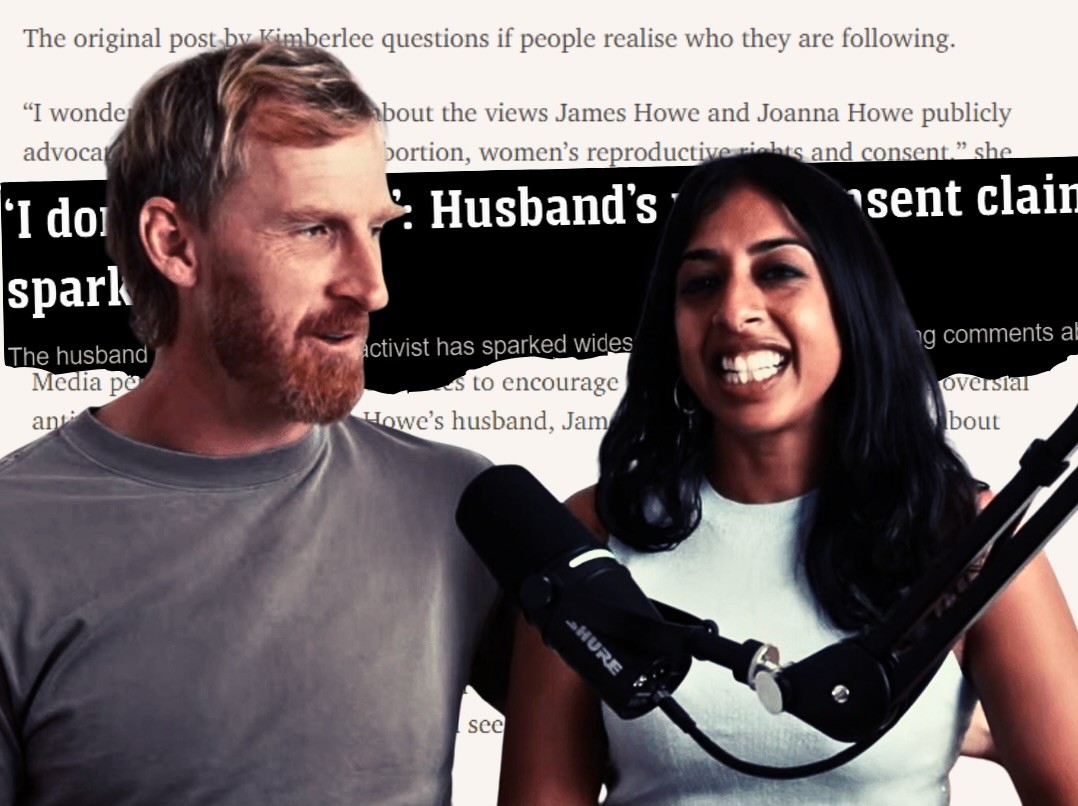
Learn how journalists use loaded language, selective quotes and misleading headlines to shape public opinion, using a controversial report about James and Joanna Howe as a case study.

12 October 2026
12.9 MINS
God’s judgement can seem difficult to reconcile with His goodness. But Scripture presents God’s perfect justice as something we can celebrate — and His present offer of mercy through Jesus as the good news.

12 October 2026
3.1 MINS
The proposed livestream of Nidal Hasan’s execution has reignited debate over justice, deterrence and public accountability, with critics comparing American justice to ISIS propaganda.


