



Homeschooling: the Challenges and the Benefits
Consider the benefits of homeschooling your children. The challenges are worth the effort to raise independent thinkers of solid faith and good character, with a firm foundation.
I know a lot of people baulk at the prospect of homeschooling their kids.
Visualising the idea is hampered by what looks like a monumental mountain of details.
I won’t lie. Having homeschooled for 12 years, the sheer size of the task is daunting. Every school year brings up new sets of challenges.
Fear, self-doubts, anxiety and peer pressure can turn the most gung-ho into the most gun-shy.
Baulking at the idea of homeschooling is understandable.
We live a pseudo-DINK (double income no kids) world. A world in which governing bodies benefit from an increased amount of tax revenue by supporting systems, and ideologies, which force both parents to work.
With inflated housing prices, the obscene cost of rent, and incomes not keeping up with the cost of living, “free” government-funded education feels like a Godsend.
The reason homeschooling, particularly in Australia, seems almost impossible is because homeschooling is quietly disincentivised.
This all seems to be part of a nudge state mentality, whereby Government pushes the governed away from home education, for the sake of revenue-raising.
This shift away from building families, in favour of building big government, is a violation of good government.
Common Concerns
When weighed and measured, the costs of homeschooling seem to outweigh the copy, stamp, repeat, ease offered by the industrialised school system.
Consequently, parents decide to opt out of educating their own children because they are conditioned to think the task is impossible.
Finances, or the lack thereof, are not the first reasons offered to me, by people explaining why they chose the government’s education conveyer belt over the alternative/s.
The most common response I’ve heard from parents about homeschooling is that they feel incapable of doing what governments “can” do for them.
Most of the responses I receive go along the lines of, “I couldn’t do that. I don’t feel capable of educating my kids.”
Their reasoning, more often than not, is emotional, not rational.
They reason that going to school is the way learning has always been done, and is therefore the only way it can be done.
Besides: “I was forced to do it. I survived. My kids can too.”
Mortgages, cost of living, budget surpluses for luxury items hardly ever factor in.
By way of observation, what appears to be the biggest underlying reason for choosing not to homeschool, is the fear of not conforming to the will of the state.
No wonder the majority of our population are living with an irrational fear of COVID-19, instead of trying to understand the virus and live with it.
Similarly, reasons against homeschooling appear to have been programmed into us.
The conclusion being: “me bad, government good.”
This exposes the potential ease at which governments could condition mums and dads into believing that their children are property of the state.
With the level of compliance and fanatic reflexes created by COVID propaganda, the majority of Australian mums, dads and grandparents, seem to be on the precipice of this potential government take-over.
It is no surprise then, that homeschooling on any level is disincentivised.
Independent Learners
Discerning voters make the best dissidents. Educating your own kids is a surefire way to stop the bureaucracy, corrupted clergy, and academy, from indoctrinating them.
Good homeschool curriculum will include what governments have removed from their groupthink matrix.
Such as civics and theology. Material that teaches the importance of faith, family, healthy tradition, and freedom.
Homeschooling doesn’t have to be complicated, but we do need to understand its complexities.
Taking responsibility for our kids’ education can be as easy as setting up a campfire or teaching them how to play a new board game.
Ultimately, I believe that every parent can teach. Home education is as simple as parents gathering together with their children around shared activities.
Teaching did not begin in schools. For thousands of years until comparatively recent times, children were educated in the home by their parents. Kids are not the property of the state.
Yes, there are many challenges to homeschooling your children, but there are also many benefits. Instead of asking why we shouldn’t homeschool, we should be asking why the government doesn’t want us to?
___
Recent Articles:
23 October 2026
13.1 MINS
Tasmania’s proposed conversion practices legislation raises serious questions about religious freedom, pastoral care and whether Christians can freely pray with those seeking to live according to their faith.
22 October 2026
4.7 MINS
Western Australia’s proposed anti-discrimination overhaul has sparked warnings from Christian leaders that religious freedom, parental choice and faith-based schools’ ability to uphold their beliefs are at risk.
19 October 2026
12.4 MINS
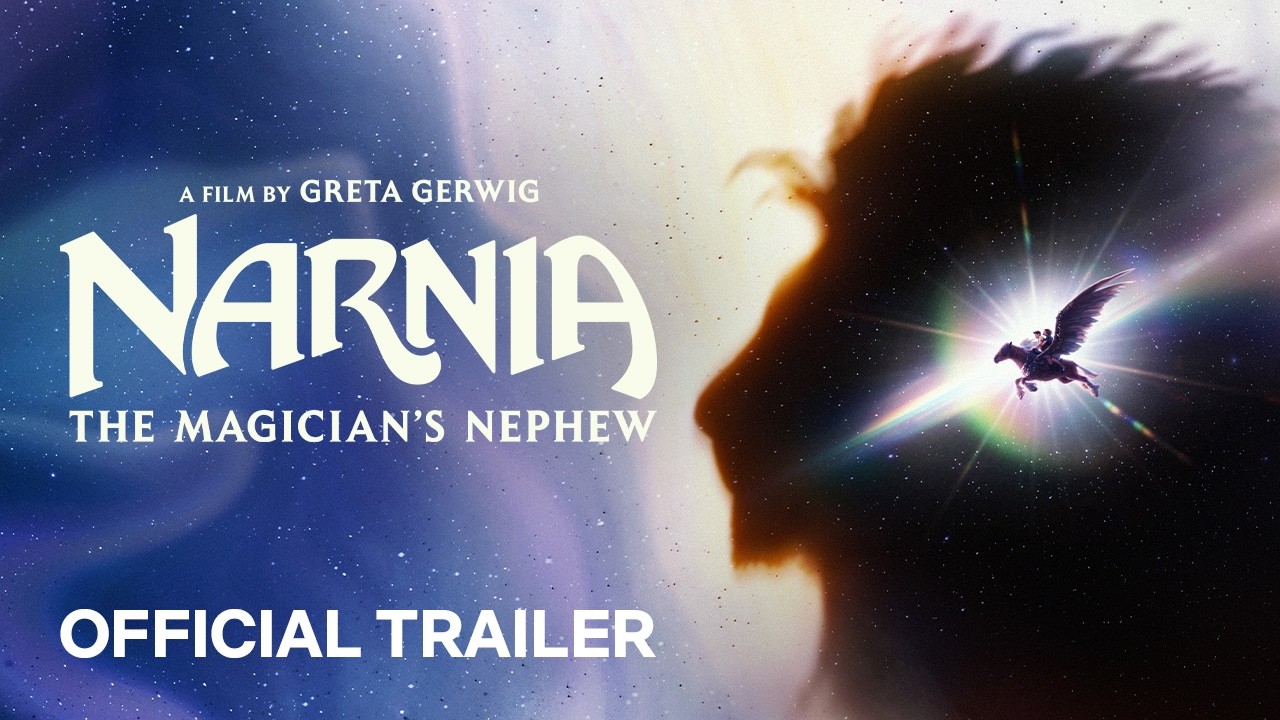
Greta Gerwig’s "Narnia: The Magician’s Nephew" trailer raises questions about C. S. Lewis’s Christian vision and the faithfulness of the new Netflix adaptation. Here are my initial impressions and concerns.
19 October 2026
3.3 MINS
Discover why dads make a unique difference in their children’s lives, and how the Dads4Kids Fun Camp creates lasting memories through adventure, connection and fun.
16 October 2026
4 MINS
A desperate Victorian Labor Party is peddling taxpayer-funded abortions as free “healthcare”. In a shameless attempt to stay in power, they're willing to do anything — including killing the unborn and forcing taxpayers to pay for it.
16 October 2026
3.4 MINS
Australia’s proposed digital duty of care laws promise greater online safety and increased user control by switching off algorithms, but critics warn they could give ministers sweeping powers to restrict lawful content and threaten free speech.
14 October 2026
6.7 MINS
A national poll challenges claims that pro-life Australians are extremists, revealing broad support for abortion restrictions, protections for unborn babies and safeguards for vulnerable women.


