



The Pandemic of Panic
Dr Bo Wong reflects on how faith should guide and ground us in times of disruption and mass panic.
In 2003, I started working as a general practitioner (GP) in Tamworth when SARS appeared. It affected mainly China, Hong Kong and Taiwan. Life in Tamworth went on as usual.
I think hand sanitiser became popular after SARS.
In 2009, H1N1 (swine flu) hit the world hard, I was working as a solo GP then. The Australian government distributed loads of Tamiflu (I think about half of it eventually ended up in the rubbish tip as it expired). We were told not to swab, just treat on suspicion, because the pathology services could not handle all the swab requests.
I got the flu from one of the patients. I had never been so sick before, with rigours and extreme lethargy; but I was still seeing patients. I do not remember if I wore a mask back in 2009. Many people were infected, but there was no panic buying and no quarantine in place. Life was relatively normal.
Why did we have panic buying with COVID-19?
Why do we fear COVID-19 so much?
I can think of four reasons:
- We know too far in advance and believe that worse is to come.
- We are relationally isolated, and there is a fear of missing out (FOMO).
- We hear reports of extreme measures taken by other governments, such as the Chinese and Italian governments.
- We have perpetual access to news, updates and stories via social media.
As we witnessed what was happening in China and other northern hemisphere countries, we knew that the virus would be likely to hit us hard during our winter months. Fear becomes unbearable when we are given time to wait for our turn to suffer.
People begin to do irrational things to cope with their fear. Anyone who believes that he/she only has this worldly life to live, will do anything to avoid discomfort, suffering and death.
We live in a society in which everyone lives for themselves. Many may think that if one runs out of toilet paper, one cannot expect anyone to help. This is because, for many, only superficial relationships exist, and such relationships are only for having fun together. In times of adversity, we may discover that we have no true friends. We therefore feel the need to stock up for ourselves as much as possible.
Even if we do not think of stocking up initially, when we see others doing so, we do not want to miss out. I asked a student why she bought so much toilet paper. She said when she saw other customers buying loads of toilet paper, she just had the urge to also get some for herself. Adversity like COVID-19 reveals the shaky foundation upon which we build our life philosophy and our society.
Contagion of Fear
A lot of overseas Chinese have connections to the twenty million Hubei residents who were locked inside their housing units for several weeks. (Some report sixty million people, but I think only twenty million or so were under the strictest of quarantine.)
I was in the area in 2019 conducting a wedding for a couple who were PhD students in Australia. It was very cold there in winter. I got to know the couple’s families, who have now all been under quarantine. They were not allowed to leave their houses at all. People relied on home deliveries for their survival. There were reports of many elderly individuals dying of hypothermia, starvation and lack of medical care. Overseas Chinese and other people who heard the horrible side effects of quarantine were therefore motivated by fear to stock up.
Social media provides the ideal interactive platform, especially in times of epidemics. Originally intended for instant connections, updates and news, social media has evolved to become a catalyst for the spread of rumours and sensationalism. An uploaded recording of panic buying in your nearby suburb or city, and the fear of missing out kicks in. The result? Masses heading to the local supermarkets to join the panic buying movement.
How then should we live as Christians and Doctors during pandemics?
I would go to 1 Corinthians 7:17 & 29-31 for instructions.
Only let each person lead the life that the Lord has assigned to him,
and to which God has called him. This is my rule in all the churches.
This is what I mean, brothers: the appointed time has grown very short.
From now on, let those who have wives live as though they had none,
and those who mourn as though they were not mourning,
and those who rejoice as though they were not rejoicing,
and those who buy as though they had no goods,
and those who deal with the world as though they had no dealings with it.
For the present form of this world is passing away.
If we are called as Christians, then live as Christians — loving God and loving others; taking up the cross daily and following Christ; being one with other believers; and caring for the needy.
If we are called as doctors, then live as doctors — caring for the sick; trying to minimise suffering; comforting the despondent; and teaching the ignorant.
When COVID-19 spread in our communities, and many people become sick, two facts constrained me to act as a Christian doctor. God’s love which has been poured into my heart, and a doctor’s duty that I have committed myself to in my heart. I may not be able to walk into harm’s way calmly (though I hope I would), but I would walk into it because of God’s love and God’s calling. I will keep reminding myself that on the Cross, Death has lost its sting. I will keep praying that Philippians 1:21 would become a reality: “For to me to live is Christ, and to die is gain.”
Baruch, the scribe of Jeremiah, was affected by fear and great anxiety after he recorded all the calamities that were coming to his nation. He said, “Woe is me! For the LORD has added sorrow to my pain. I am weary with my groaning, and I find no rest.” (Jeremiah 45:3-4) The LORD told Baruch not to seek great things for himself, but to see things from God’s point of view. When we focus on ourselves, we interpret everything for the benefit of our own happiness and comfort. God says there are much greater purposes for things that are happening around us. When our vision is limited to our own comfort and happiness, we miss seeing the glory of God.
1 Corinthians 7:30b says, “… and those who buy as though they had no goods.” It is not saying that we should buy up all the toilet paper because soon there will be no more stock available. Reading the whole passage from 1 Corinthians 7:29-31, it is clear that the Bible does not suggest that we should live as if our own comfort and happiness are our primary aims. To put it another way, it is saying that the present form of this world is passing away, we should therefore avoid following the ways of this world.
When we have only this life to live, when we only have ourselves to live for, it is natural to panic when this life is being threatened. If we do not panic, we must either be fools, or we have the blessed assurance of the hope of glory.
“To them (the saints) God chose to make known how great among the Gentiles are the riches of the glory of this mystery, which is Christ in you, the hope of glory.”
~ Colossians 1:27
___
Originally published in Luke’s Journal by the Christian Medical and Dental Fellowship of Australia.
Photo by Anna Shvets.
Recent Articles:

24 October 2026
3.3 MINS
When we ask God, "What is in my hand?", and see our possessions, money and time as seed that God asks us to sow, life becomes simpler.

23 October 2026
6.8 MINS
Hillsong UNITED’s Joel Houston reflects on fame, faith and the burden of ministry, questioning performative Christianity as he seeks a more authentic walk with God.

23 October 2026
13.1 MINS
Tasmania’s proposed conversion practices legislation raises serious questions about religious freedom, pastoral care and whether Christians can freely pray with those seeking to live according to their faith.
23 October 2026
3.1 MINS
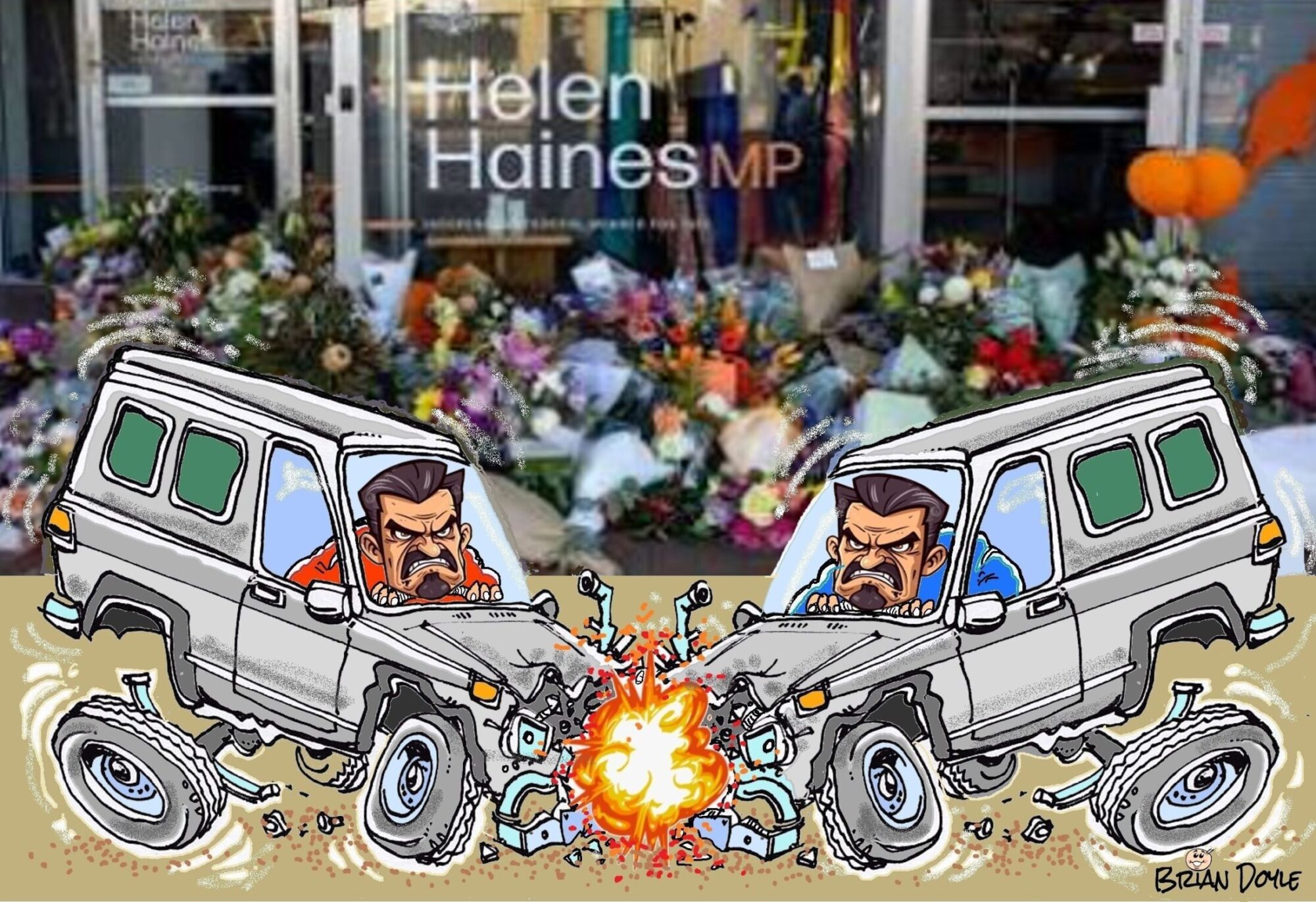
As Western societies grow more hostile, could abandoning Christianity’s moral foundations be contributing to the rise of ideological extremism, political intolerance and violence?
23 October 2026
5.1 MINS
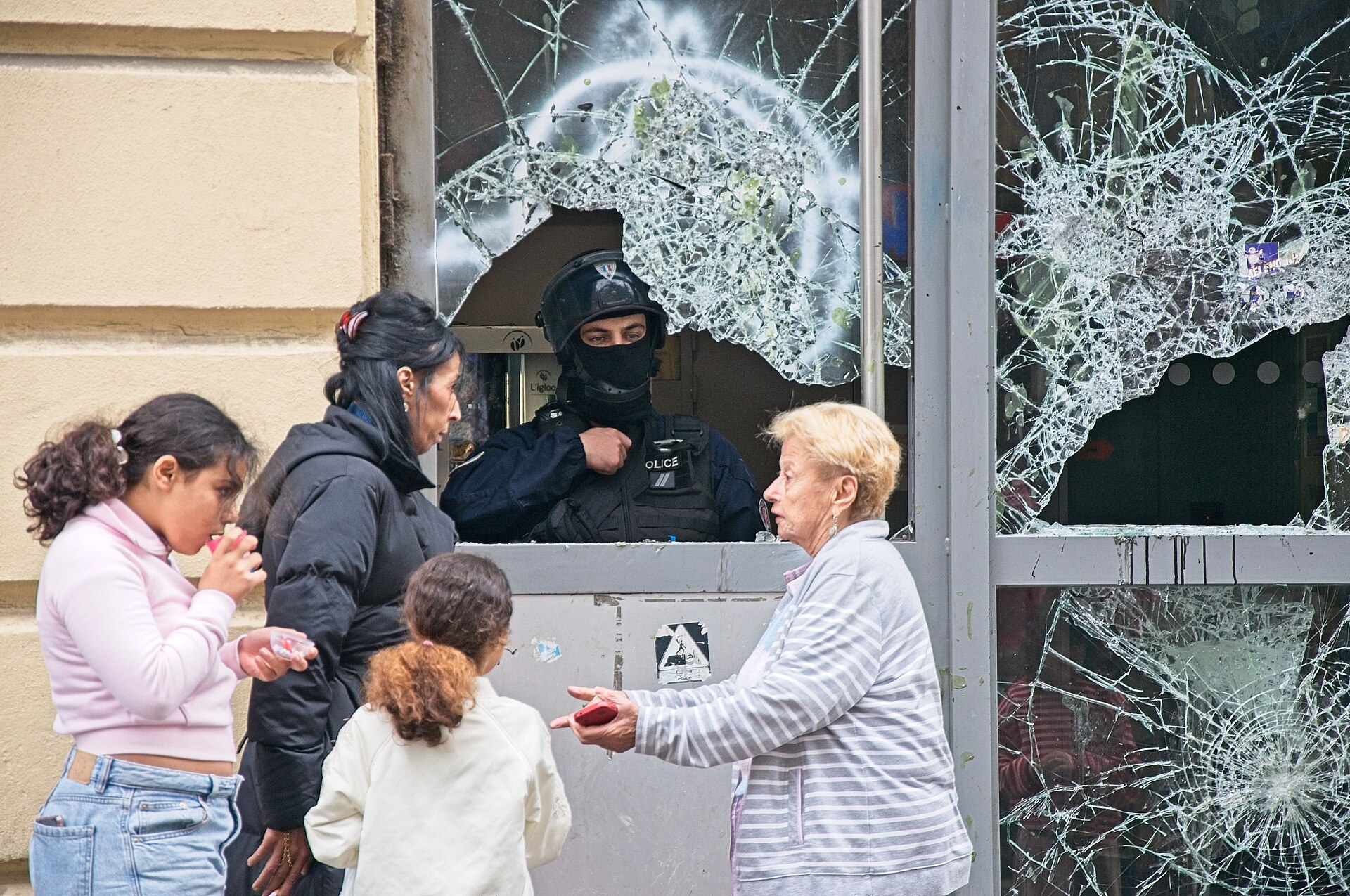
France’s escalating riots expose the dangers of political extremism, antisemitism and radical alliances, offering America a stark warning about the future of Western democracy.
23 October 2026
3.1 MINS
The one who is worthy of it all is awakening his Church to be captivated by him, so that we will honour one another and share his gospel with humility and courage.
22 October 2026
2.9 MINS
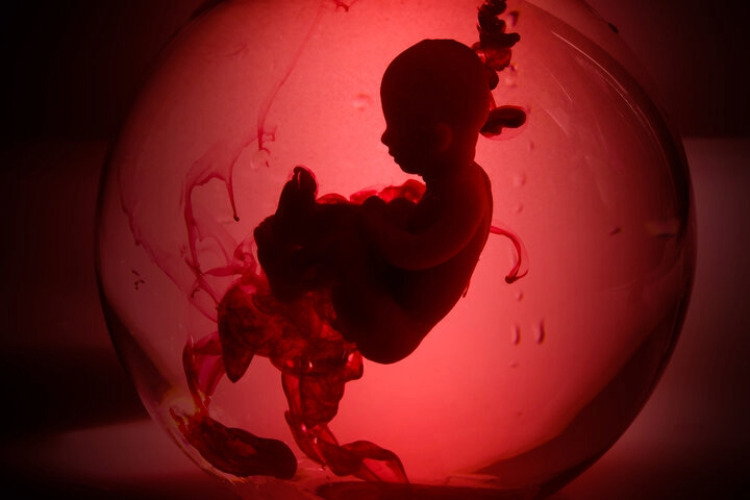
Victoria Labor’s promise to fund free abortions has drawn a forceful response from Presbyterian leaders, raising profound questions about unborn life, government priorities and Australia’s moral direction.


