



Defining Culture – Beyond the Culture Wars
I find “culture” to be one of the most contested, discussed, yet ill-defined, concepts out there.
It is a notoriously difficult concept to define with any precision. I think a good place to start is: shared human practices and habits which are not enforced or induced by laws.
Small Skirmishes
In light of this definition, the so-called culture war is really a contest between relatively small sub-cultures. Each sub-culture, by which I mean a minority defined by common practices and habits not shared by the wider majority, wishes to see their minority practices and habits adopted by, or enforced upon, everyone else.
Related to this is a shared fear by both combatant sub-cultures in the culture war that their shared minority practices and habits are at risk of restriction, suppression or elimination.
There is obviously more to the culture war than rivalrous sub-cultures, and clearly much more to culture than shared practices and habits which are not the result of laws and their enforcement.
Technological Formation
The virtue, however, of thinking about culture in this way, and the culture war specifically, is that it draws our attention to the habits and practices which are truly universal (or practically so), and which thus constitute our “culture” in the widest and most meaningful sense.
These, when you think about it, are things like social media, smartphones, streaming services, email, the internet and, increasingly, algorithms. These have formed, and continue to form, many new human practices and habits shared very widely, including by both camps of warriors waging war over a rather limited set of cultural practices and habits in what we have come to know as the “culture war.”
I mean, the aforementioned technological innovations have utterly changed the way families communicate and spend time with each other, the way we work, the way we play, the way we love, the way we meet, the way we buy and sell, the way we learn, the way we share and consume information and the list goes on. These habits and practices have formed so quickly that we have scarcely paused to contemplate their meaning, let alone their long-term consequences.
The point is not that the “culture war” is unimportant and irrelevant. Although I hate the metaphor (“war” is what is happening in Ukraine), the issues are of substance and worth fighting for and against (depending on the issue).
Rather, it is to recognise that the matters in dispute in the culture war form only a very small slice of what constitutes culture, and therefore we perhaps could afford to spend just a little more time thinking about the massive, and I mean massive epochal shift in collective human practices and habits that have arisen as a consequence of placing our shared destiny in the hands of a new pantheon of technological gods.
___
Originally published on Dr Jonathan Cole’s page.
Subscribe to his podcast, The Political Animals, for more insights.
Image: BigStock
One Comment
Leave A Comment
Recent Articles:
26 October 2026
2.5 MINS
Nation First exposes the rush to weaponise the Haines attack against Pauline Hanson, conservative voices and men before investigators established a motive.

26 October 2026
5.1 MINS
Anthony Albanese calls for civility after the Helen Haines attack, but revelations of a political dirt file raise uncomfortable questions about his government’s own conduct.
26 October 2026
2.9 MINS
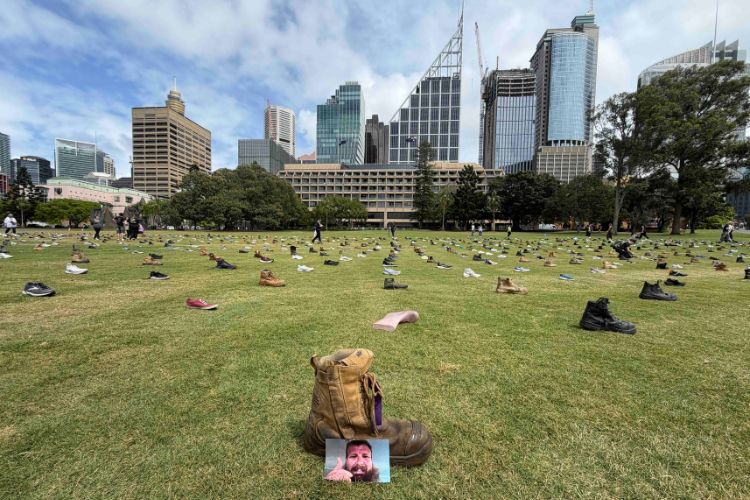
A powerful display of thousands of shoes highlights Australia’s escalating male suicide crisis, while Dads4Kids celebrates fatherhood, family connections and practical action to strengthen generations.
23 October 2026
13.1 MINS
Tasmania’s proposed conversion practices legislation raises serious questions about religious freedom, pastoral care and whether Christians can freely pray with those seeking to live according to their faith.
23 October 2026
3.1 MINS
As Western societies grow more hostile, could abandoning Christianity’s moral foundations be contributing to the rise of ideological extremism, political intolerance and violence?
23 October 2026
5.1 MINS
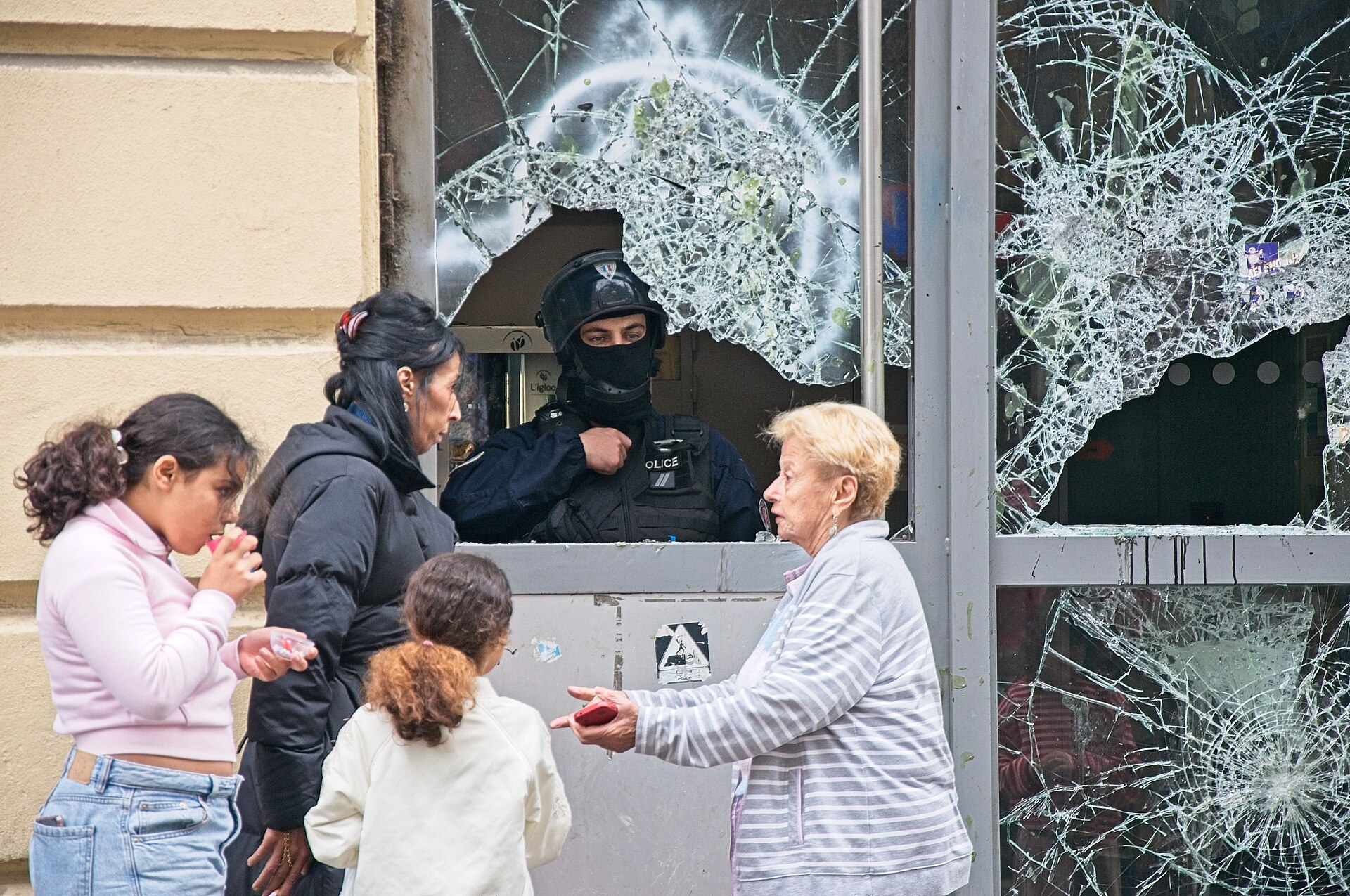
France’s escalating riots expose the dangers of political extremism, antisemitism and radical alliances, offering America a stark warning about the future of Western democracy.

22 October 2026
4.7 MINS
Western Australia’s proposed anti-discrimination overhaul has sparked warnings from Christian leaders that religious freedom, parental choice and faith-based schools’ ability to uphold their beliefs are at risk.



I feel like I know how His disciples felt when Jesus asked if they would also leave n they replaced- where would we go Lord. It helps me to understand why He loved them. Why He loves us.