What Does Osama bin Laden’s Viral Moment on TikTok Mean for America?
by Arielle Del Turco
Last week, TikTok videos about Osama bin Laden’s “letter to America” went viral, with some on the platform suggesting bin Laden made some good points and was perhaps even justified in attacking the United States. Trying to process this bizarre development, some have argued that TikTokers praising the letter are simply stupid or uneducated.
Yet, the problem runs deeper than ignorance and education. Too many Americans see reflected in bin Laden’s words the same antipathy for the United States and the West that they have. This societal self-loathing is a grave threat.
“I need everyone to go read, it’s literally two pages, go read letter to America, and please just come back here and let me know what you think,” one TikToker urged, “because I feel like I’m going through an existential crisis right now.”
Another person stated, “So, I just read letter to America, and I will never look at life the same. I will never look at this country the same.” It was a common theme that bin Laden’s diatribe prompted disillusionment. One woman said, “Reading this letter, it becomes apparent to me that the actions of 9/11 and those acts committed against the USA and its people were all just the buildup of our government failing other nations.”
The Guardian quickly deleted its webpage with the full text of Osama bin Laden’s letter so that it would not be its top trending article. TikTok removed the hashtag #lettertoamerica from its search function and removed posts that amplified bin Laden’s message. The company released a statement saying, “Content promoting this letter clearly violates our rules on supporting any form of terrorism.”
By now, Big Tech has sufficiently tamped down the overt promotion of bin Laden’s thoughts, and the text of the letter is harder to find with a simple Google search. It’s true that social media lends itself to the rapid spread of terrible ideas, and this brief viral moment does not reflect most people. Still, the question remains: Why are so many Americans susceptible to the rantings of a dead terrorist who hated us?
Blame Game
In his “letter to America,” bin Laden railed against the supposed wrongs perpetrated by (or supported by) the United States in “Palestine”, Somalia, Kashmir, Lebanon, Iraq, and elsewhere. This message appeals to those who think that the US is the root of many problems globally. It also appeals to Americans taught to feel guilty for the relative peace and prosperity we have been blessed with.
While these TikTokers are likely sincere in their appreciation for the letter, they are clearly cherry-picking which of the letter’s sentiments they praise. Bin Laden’s letter directly answered the question, “What do we [al Queda terrorists] want from you [Americans]?” He stated that the terrorists want Americans to turn to Islam, to discard “all the opinions, orders, theories and religion which contradict with the religion He sent down to His Prophet Muhammad.”
Are bin Laden’s Western sympathisers prepared to embrace the strict and radical vision of Islam promoted by bin Laden? Unlikely. Bin Laden also demands the rejection of “immoral acts of fornication” and homosexuality. How remarkably un-woke. Notably, these quotes did not make it to TikTok, nor did the blatant anti-Semitism throughout the letter.
There is no new brilliance in the “letter to America.” TikTokers have not stumbled onto any lost wisdom. Bin Laden’s hateful diatribe is as odious and slanderous now as it was in the aftermath of 9/11. What’s changed is that we now have a generation that deeply dislikes the US and Western civilisation more broadly. Some of these people inevitably see their own distaste for the U.S. and all it stands for in the words of an angry and murderous terrorist.
Ill-Taught
Today’s teenagers have no memory of 9/11 or the United States’ difficult war against al-Qaeda. Sadly, public schools cannot be trusted to accurately teach even recent history. Discourse at the university level centres around the evils of colonialism, the need to “decolonise” regardless of the bloodshed that it would cost, and the alleged toxic influence of Western powers in the course of history. Such anti-Westernism now permeates American culture and media.
A hyper-focus on criticising the West ignores the positive developments that have come out of the West. Christian ethics are foundational to Western civilisation, and the order, justice, and understanding of human rights that Western civilisation brought to much of the world is a very good thing. Many (particularly younger) Americans refuse to see this. Thus, we may be left with a society that hates itself. Such a society-wide suicidal inclination is exceedingly dangerous.
After Russia invaded Ukraine, a Quinnipiac poll asked American respondents whether they would stay and fight or leave the country if the United States were similarly invaded. More Americans aged 18 to 34 years old stated they would leave (48%) than stay (45%). The Free Press is now reporting that Western women are converting to Islam to support Palestinians after the October 7 Hamas attack. In a conflict of civilisations, these people will markedly not stand for God and country.
The antidote to the allure of bin Laden’s writings is to create a culture that teaches, values, and lives by the Christian ethics and longstanding American values that have contributed to this country’s flourishing. Western civilisation is currently on the precipice, but it remains the best option and one worth fighting for. We must act like it.
___
Arielle Del Turco is Director of the Center for Religious Liberty at Family Research Council, and co-author of “Heroic Faith: Hope Amid Global Persecution.”
Originally published at The Washington Stand. Image: Wikimedia Commons
Recent Articles:

16 November 2026
1.6 MINS
New ABS modelling has dramatically changed Australia's excess death figures, raising questions about the revised methodology, pandemic-era deaths and whether Australians are getting the full picture.
16 November 2026
3.9 MINS
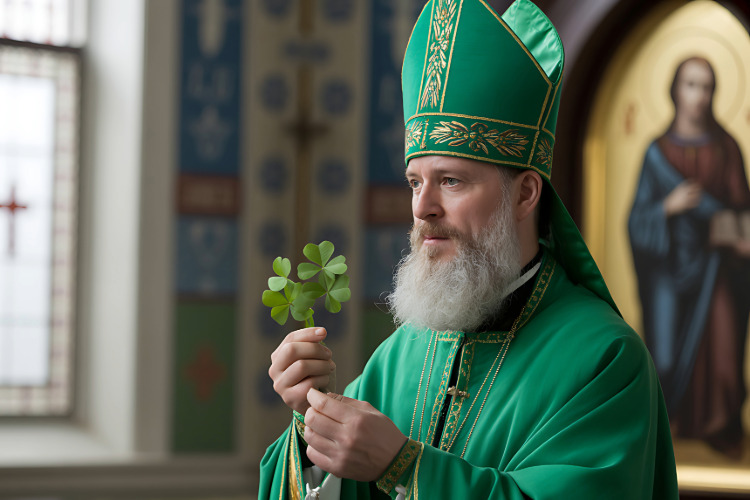
St Patrick’s remarkable journey from Irish slave to missionary bishop transformed Ireland, establishing a vibrant Christian heritage that would send missionaries across Europe for generations.

13 November 2026
4.4 MINS
A sobering new study reveals that two-thirds of American Christians fail a basic Bible knowledge test, exposing a crisis of biblical literacy within the Church.
13 November 2026
7.2 MINS
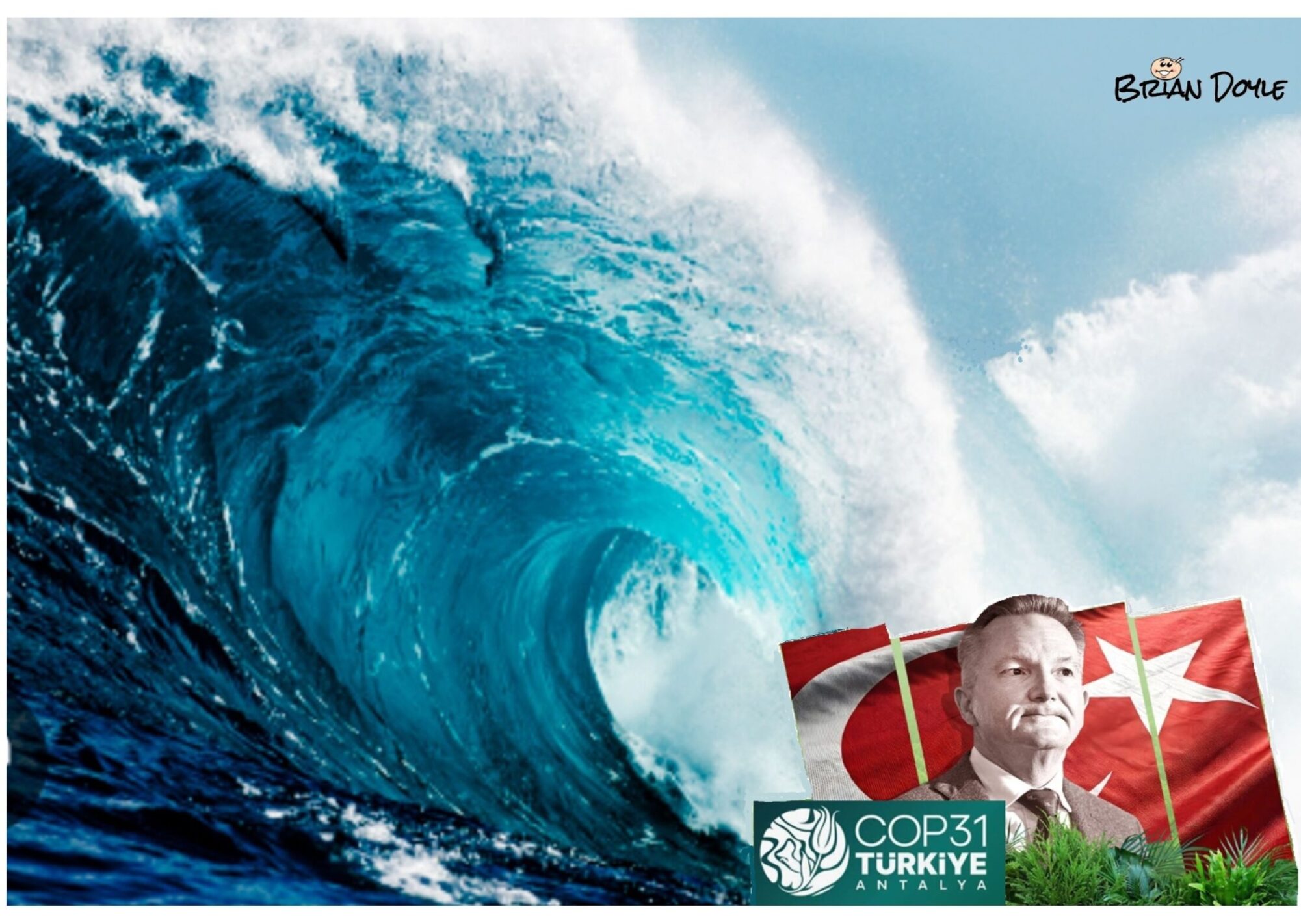
A fresh challenge to conventional climate change thinking examines ocean temperatures, atmospheric energy flows and historical climate patterns, questioning the science behind catastrophic warming predictions.
13 November 2026
3.5 MINS
Historian Christopher Dawson argued that religion is the spiritual foundation of civilisation. As Christianity retreats from public life, his warnings about cultural decline deserve renewed attention.
13 November 2026
9.1 MINS
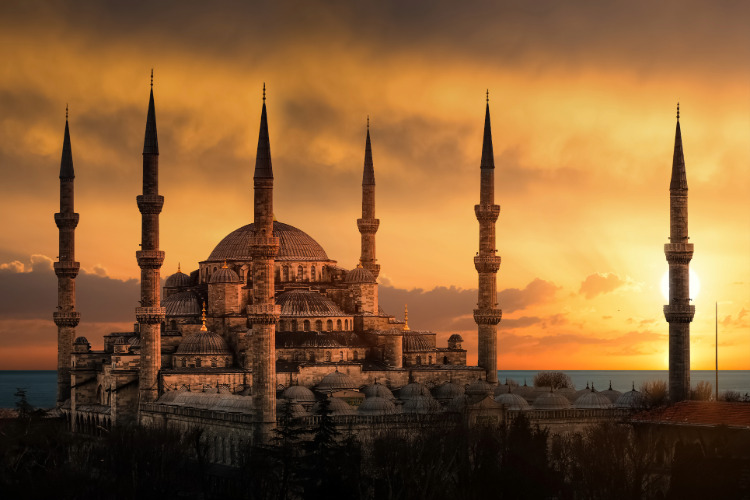
Understanding Islam requires more than interfaith goodwill. Examining its theology, political ambitions, migration and Western alliances, we require vigilance without abandoning Christian compassion.
12 November 2026
3.1 MINS
Andrew Denton wants to liberalise Australia’s assisted suicide laws further, but the Dutch experience raises serious questions about where voluntary assisted dying (VAD) ultimately leads and who will be affected.