


Emma Watson on J.K. Rowling and the Trans Debate: Disagreeing with Love
Emma Watson’s recent comments on the importance of loving people despite differences reveal a fundamental truth about disagreeing well and how to practise free speech with character. Here are my thoughts.
In a wide-ranging podcast interview, Harry Potter star Emma Watson has said that she treasures J. K. Rowling despite the pair’s public disagreement over Rowling’s stance on transgender issues.
It comes in light of Rowling’s insinuation last year that Watson and the other Potter cast members who “cosied up to a movement intent on eroding women’s hard-won rights and who used their platforms to cheer on the transitioning of minors” could not take her forgiveness for granted—even if they publicly apologised.
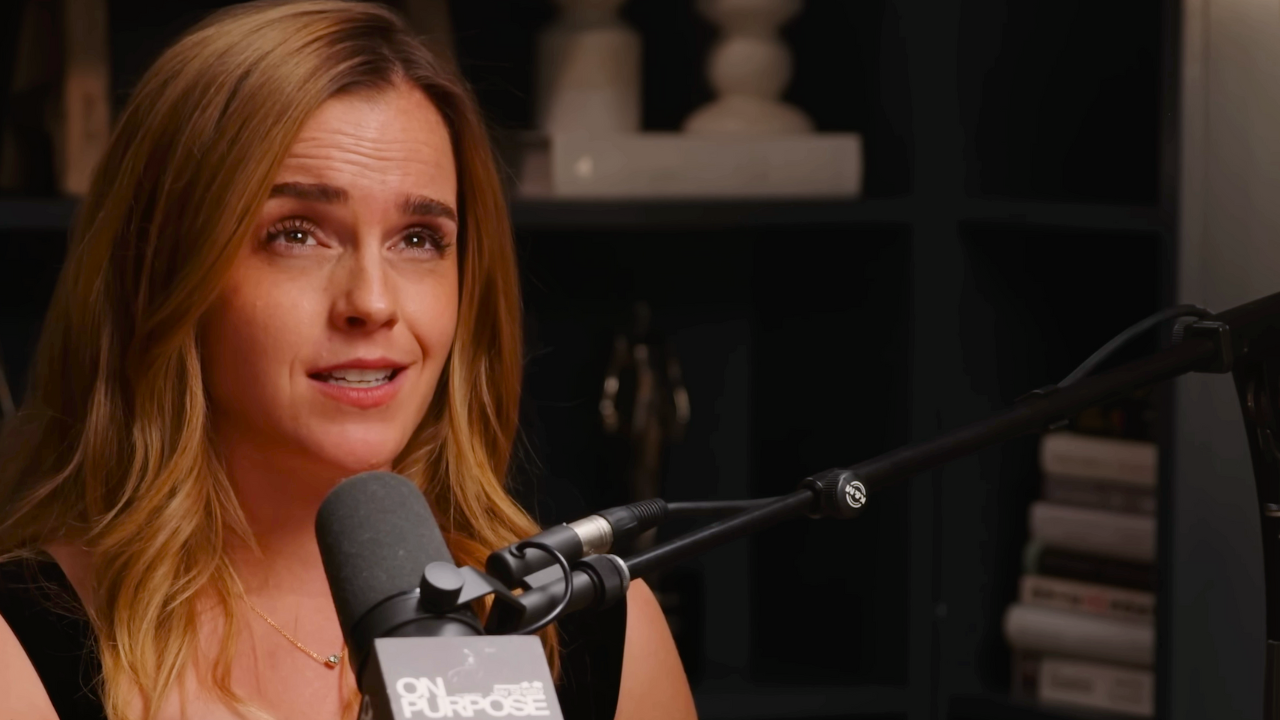
Watson, the 35-year-old actress who played Hermione Granger in the eight massively popular Harry Potter films, discussed her relationship and disagreement with Rowling on Jay Shetty’s On Purpose podcast.
“I really don’t believe that by having had that experience—and holding the love and support and views that I have—means that I can’t and don’t treasure Joe [J. K. Rowling] and the person that I had personal experiences with,” Watson told Shetty.
She then said something quite profound—often forgotten in contemporary Western political discourse.
“I think it’s my deepest wish that I hope people who don’t agree with my opinion will love me, and I hope I can keep loving people who I don’t necessarily share the same opinion with. I think the thing I’m most upset about is that a conversation was never made possible.”
Disagreement doesn’t equal hate
This sentiment represents a broadside against the increasingly popular tendency to assume that people with whom we disagree must hate us.
We have created a culture in the West where disagreement is automatically perceived as hateful—not loving. It reminds me of the Proverb: “Faithful are the wounds of a friend, but the kisses of an enemy are deceitful.” (Proverbs 27:6 NKJV)
In other words, a friend will be willing to challenge you, to hold you accountable—even when it hurts you or is uncomfortable—because they love you.
An enemy, on the other hand, has no reason to care. They don’t care about your wellbeing and development as a person.
Therefore, they have no reason to challenge you about your behaviour or worldview. They can flatter you. They can say all kinds of nice things about you because they don’t care. They are not bound by their friendship to hold you accountable and look out for you, even when it hurts.
Hate wants the worst for someone; love wants the best.
By its nature, then, we can disagree over how to express love. But just because we disagree with someone over what is best for them doesn’t mean that we want the worst for them.
The importance of assuming good intentions
Earlier in the interview, Watson made a crucial point about assuming the best of a person’s intentions, no matter how strongly you disagree—or even find their views reprehensible.
We simply cannot assume that their motives are evil. For one, this is because we can’t know that they are evil unless they tell us.
This is not to say that people don’t sometimes (perhaps often) have bad intentions. If we’re honest, our own motives are rarely pure.
What it does mean, though, is that we can’t go around assuming the worst of people.
Learning to think the best of people and disagree well is fundamental to the idea of free expression and the free exchange of ideas.
Free speech doesn’t just mean allowing nice speech—speech that makes us feel warm and fuzzy and good about ourselves. It means tolerating, sometimes through gritted teeth, ideas and discourse that we find extremely distasteful.
Free speech means permitting—though not endorsing—nasty expressions and opinions.
We need to get this into our heads: just because you support someone’s right to share a perspective doesn’t mean that you agree with or support what they are saying.
Let’s always assume people have the best of intentions; just because someone disagrees with you doesn’t mean they don’t love you.
Why don’t we think of ways that we can show love to people with whom we disagree—not just in expressing our disagreement as opposed to remaining silent, but also in the way we choose to disagree.
And remember:
“I may disagree with what you are saying, but I will fight to the death for your right to say it.” — Evelyn Beatrice Hall, summarising Voltaire’s views on free speech
Image of Emma Watson via screenshot of YouTube.
2 Comments
Leave A Comment
Recent Articles:

20 October 2026
7.7 MINS
France and Europe are burning — is it too late to save them from the barbarians?

20 October 2026
4.6 MINS
As rioters burn cars and historical buildings, celebrating the destruction of France’s inheritance, the West confronts an uncomfortable question: what happens when a civilisation loses the will to defend itself?

20 October 2026
4.9 MINS
A federal investigation has exposed how America’s biggest banks shut out conservative and Christian clients, relying on subjective reputation risks and controversial ideological watchdogs.

19 October 2026
6.7 MINS
Europe’s escalating unrest raises urgent questions about immigration, national identity, secularism and the decline of Christian influence, prompting calls for repentance, prayer and renewed leadership.
19 October 2026
12.4 MINS
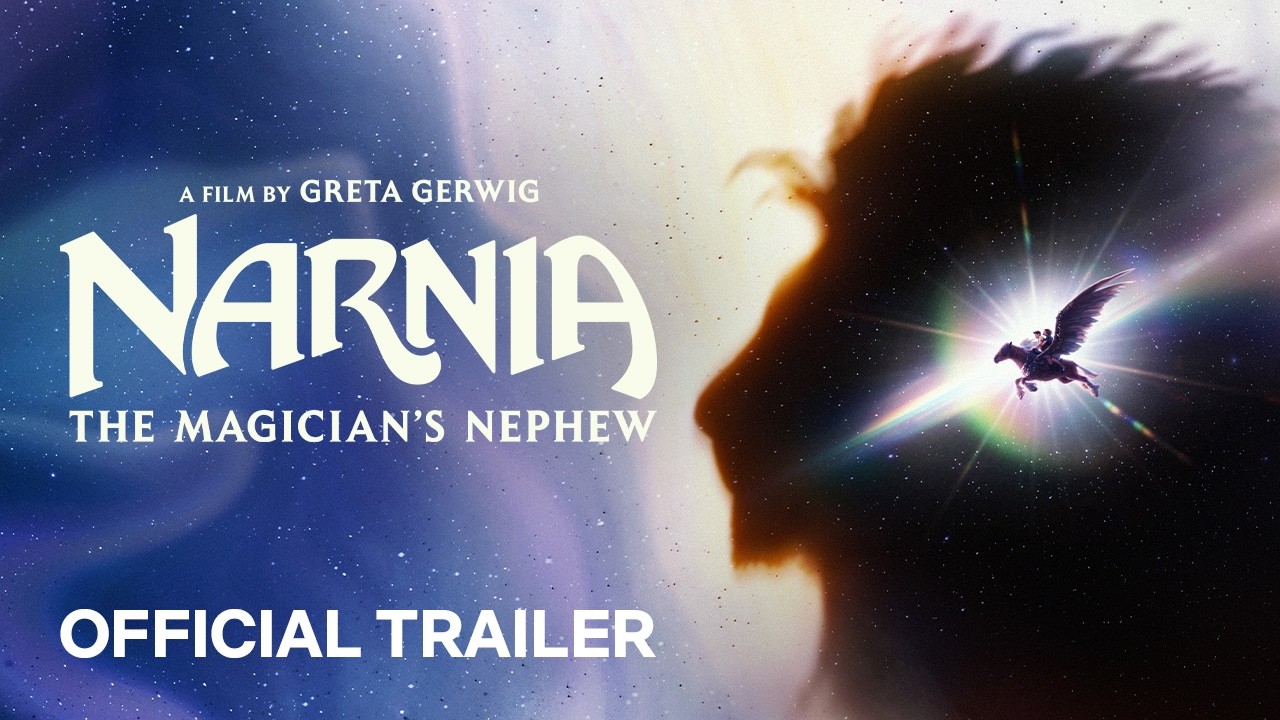
Greta Gerwig’s "Narnia: The Magician’s Nephew" trailer raises questions about C. S. Lewis’s Christian vision and the faithfulness of the new Netflix adaptation. Here are my initial impressions and concerns.

19 October 2026
2.7 MINS
The UK Greens’ vote to define Zionism as racism has exposed deep divisions within the party, raising questions about its future leadership and political direction.
16 October 2026
4 MINS
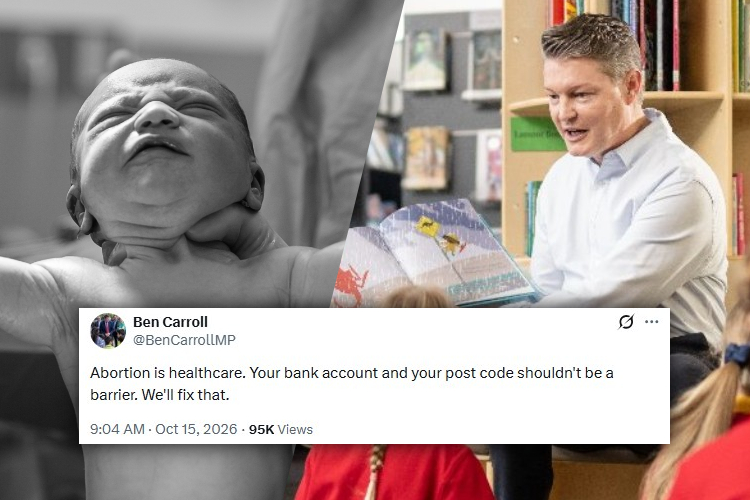
A desperate Victorian Labor Party is peddling taxpayer-funded abortions as free “healthcare”. In a shameless attempt to stay in power, they're willing to do anything — including killing the unborn and forcing taxpayers to pay for it.



Well said Cody.
Echoes of Charlie Kirk’s philosophy here.
someone else was credited with saying “,I may not agree with you but will defend to the death your right to say it ” before They rewrite things Never trust anyone And since the totally monopolized the global publishing business in the 1980s they’ve just changed things to suit their pet groups eg feminists communists monarchists anarchists terrorists .
all in it together
Throughout the 1980s onwards they had people scouring bookshops op shops garage sales ,in every suburb re recruited to grab the books they wanted destroyed .They had the libraries destroy them .
They were methodical and thorough .
Just as they’ve censored the internet .Filled it with new versions of stuff .
Books iconosing witchcraft are anti Christian fundamentalism .The Bible’s very clear about it .
Do you see how well they’ve deceived you ?