


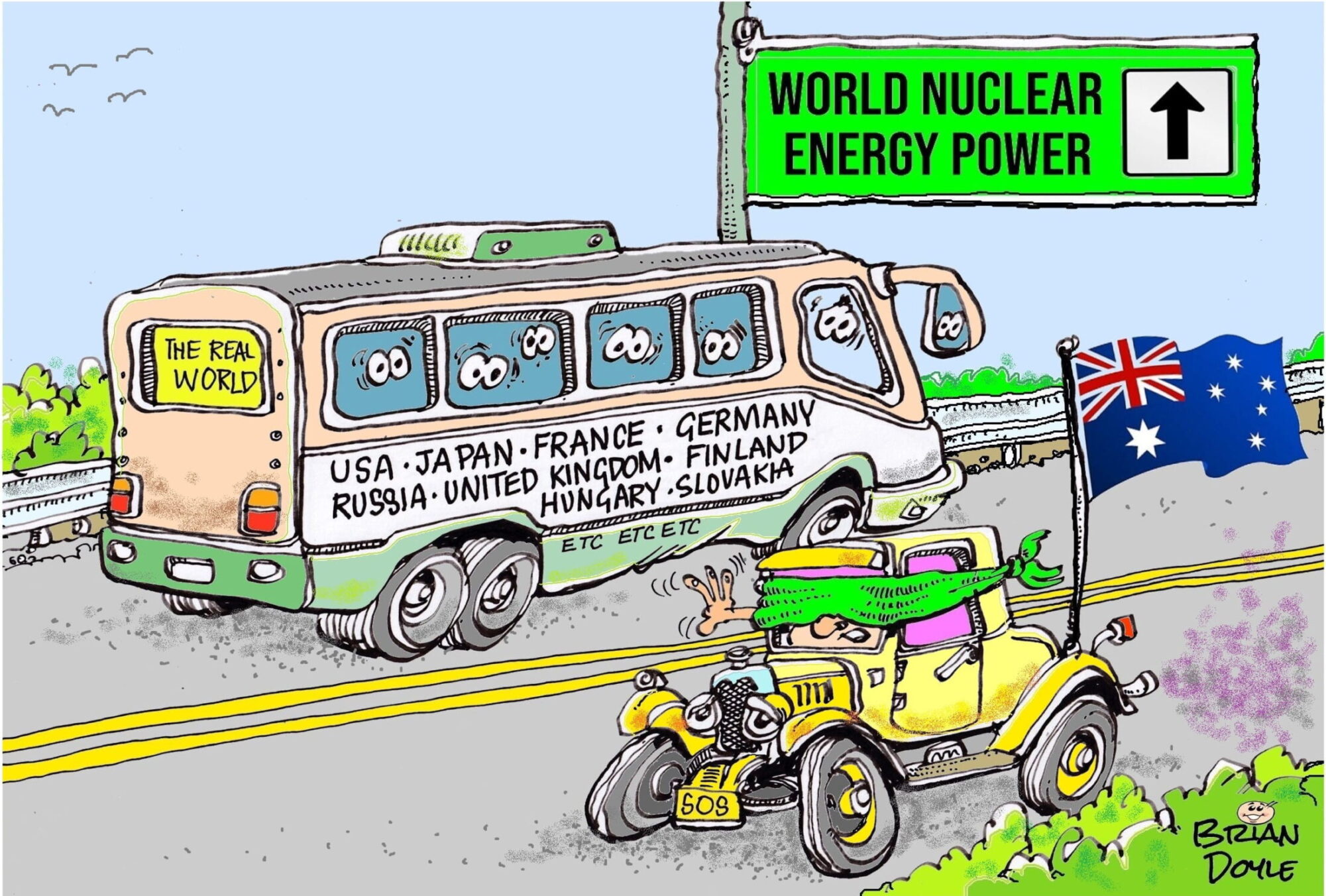
The World is Switching to Nuclear Energy
Nuclear energy is staging a dramatic global comeback as energy security fears, fossil fuel volatility, and the limits of renewables force governments to reconsider their long-held opposition.
Despite decades of relentless anti-nuclear propaganda which paralysed the use of nuclear energy and stifled its expansion, harsh realities arising from the wars in Ukraine and Iran, as well as the inherent limitations of wind and solar energy, particularly their inability to provide reliable baseload power, have accelerated the expansion of nuclear power around the world.
In a sense, nuclear energy has been a victim of its original use to end World War II in the Pacific, with the bombing of the Japanese cities of Hiroshima and Nagasaki bringing about the Japanese surrender in August 1945.
In the minds of many, nuclear energy is inextricably linked with the military applications of nuclear fuel, which does not apply to other energy sources such as coal, petroleum and renewables.
However, from the 1940s onwards, nuclear scientists and engineers believed that nuclear energy had the potential to deliver almost unlimited quantities of affordable, reliable electricity. Many developed countries, including the United States, UK, France, Russia, Japan and China, have long developed nuclear power stations that have comprised a significant share of these countries’ energy mix.
In France, for example, nuclear energy provides about two-thirds of the country’s electricity. Other European countries with high nuclear electricity production share include Slovakia, with 60 per cent of its electricity from nuclear, Hungary, with 47 per cent, and Finland, at over 39 per cent.
The world’s largest user of nuclear power is the United States, which had 94 reactors in operation in 2024, followed by China with 57.
Role of Coal
Strategic Mistake
___
Republished with thanks to News Weekly. Image courtesy of Adobe.
5 Comments
Leave A Comment
Recent Articles:

26 October 2026
4.5 MINS
OECD chief Mathias Cormann warns Australia is losing its competitive edge, as excessive regulation, housing pressures, immigration challenges and declining public trust threaten national prosperity.
26 October 2026
2.5 MINS
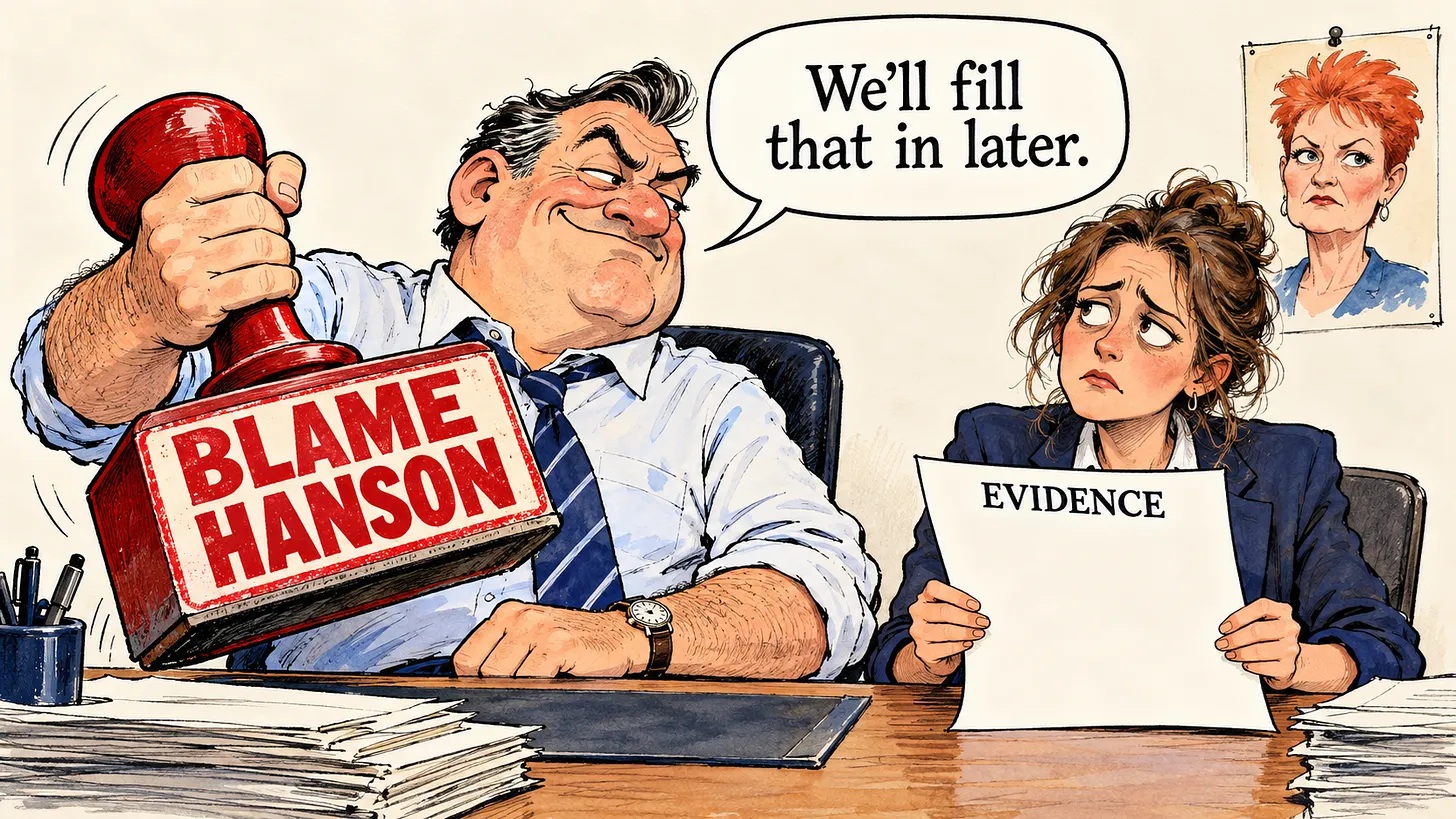
Nation First exposes the rush to weaponise the Haines attack against Pauline Hanson, conservative voices and men before investigators established a motive.
26 October 2026
5.1 MINS
Anthony Albanese calls for civility after the Helen Haines attack, but revelations of a political dirt file raise uncomfortable questions about his government’s own conduct.
26 October 2026
3 MINS
Australia’s national resilience inquiry overlooks a critical weakness: decades of deindustrialisation have left the nation dangerously dependent on imports, unprepared for compounding threats and strategic disruption.
26 October 2026
2.9 MINS
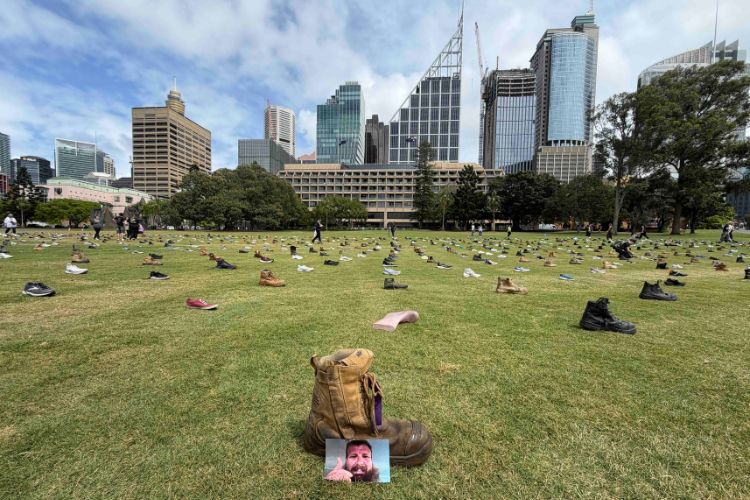
A powerful display of thousands of shoes highlights Australia’s escalating male suicide crisis, while Dads4Kids celebrates fatherhood, family connections and practical action to strengthen generations.

23 October 2026
13.1 MINS
Tasmania’s proposed conversion practices legislation raises serious questions about religious freedom, pastoral care and whether Christians can freely pray with those seeking to live according to their faith.

23 October 2026
7.7 MINS
Melbourne Catholic Archbishop Peter Comensoli has spoken out clearly against the deadly promises by both major parties in Victoria ahead of the election, drawing a comparison between abortion and capital punishment.



Peter, thank you. Such a welcome, data driven piece. I feel that the more we flag the nuclear option, the less triggered will be the opponents. What intrigues me is that these nuclear plants can ‘generate’ more nuclear fuel as they generate electricity. I am not saying they are fully ‘self-sufficient’ but they are certainly ‘efficient.’ I am now challenged to conduct more research.
Give the “all clear” to nuclear in Australia.
Once we adopt nuclear policy we will become the repository for the nuclear waste of the UK, etc. I oppose it as dangerous.
Waste is among the poorest of reasons to oppose nuclear power. It is easily dealt with and minuscule in volume compared to other industrial waste streams that are far more toxic but to which we don’t give a second thought.
Thanks Mark, also we have a stable geology which makes us most suitable for long term sequestering of waste