



No Regrets
I am fascinated by what people say and think before they leave the planet. Wisdom is sometimes very costly and as you consider the past, you can understand the future better.
Dr Bruce Robinson, probably Australia’s bestselling fatherhood author, wrote his book, Fathering from the Fast Lane, because of the words that men told him on their death beds. Bruce is a doctor who treats those who have lung and respiratory illnesses. In many cases, these illnesses are fatal. He has told me how, so many times, men would say to him,
“I wish I had spent more time with my children. I wish I had invested more time in my relationships and I wish that I had spent less time at work.”
That is why the Top Five Regrets of the Dying really caught my attention and confirms what Dr Bruce Robinson has said. I reprint it below in full for your further reflection.
A palliative nurse who has counselled the dying in their last days has revealed the most common regrets we have at the end of our lives. And among the top, from men in particular, is ‘I wish I hadn’t worked so hard’.
Bronnie Ware is an Australian nurse who spent several years working in palliative care, caring for patients in the last 12 weeks of their lives. She recorded their dying epiphanies in a blog called Inspiration and Chai, which gathered so much attention that she put her observations into a book called The Top Five Regrets of the Dying.
Ware writes of the phenomenal clarity of vision that people gain at the end of their lives, and how we might learn from their wisdom. “When questioned about any regrets they had or anything they would do differently,” she says, “common themes surfaced again and again.”
Here are the top five regrets of the dying, as witnessed by Ware:
1. I wish I’d had the courage to live a life true to myself, not the life others expected of me.
“This was the most common regret of all. When people realise that their life is almost over and look back clearly on it, it is easy to see how many dreams have gone unfulfilled. Most people had not honoured even a half of their dreams and had to die knowing that it was due to choices they had made, or not made. Health brings a freedom very few realise, until they no longer have it.”
2. I wish I hadn’t worked so hard.
“This came from every male patient that I nursed. They missed their children’s youth and their partner’s companionship. Women also spoke of this regret, but as most were from an older generation, many of the female patients had not been breadwinners. All of the men I nursed deeply regretted spending so much of their lives on the treadmill of a work existence.”
3. I wish I’d had the courage to express my feelings.
“Many people suppressed their feelings in order to keep peace with others. As a result, they settled for a mediocre existence and never became who they were truly capable of becoming. Many developed illnesses relating to the bitterness and resentment they carried as a result.”
4. I wish I had stayed in touch with my friends.
“Often they would not truly realise the full benefits of old friends until their dying weeks and it was not always possible to track them down. Many had become so caught up in their own lives that they had let golden friendships slip by over the years. There were many deep regrets about not giving friendships the time and effort that they deserved. Everyone misses their friends when they are dying.”
5. I wish that I had let myself be happier.
“This is a surprisingly common one. Many did not realise until the end that happiness is a choice. They had stayed stuck in old patterns and habits. The so-called ‘comfort’ of familiarity overflowed into their emotions, as well as their physical lives. Fear of change had them pretending to others, and to their selves, that they were content, when deep within, they longed to laugh properly and have silliness in their life again.”
What’s your greatest regret so far, and what will you set out to achieve or change before you die?
Lovework
This is definitely food for thought. I encourage you to devise your own lovework this week in the light of the above article. I’m sure it won’t be hard.
Yours for no regrets,
Warwick Marsh
___
Recent Articles:
25 September 2026
3.5 MINS
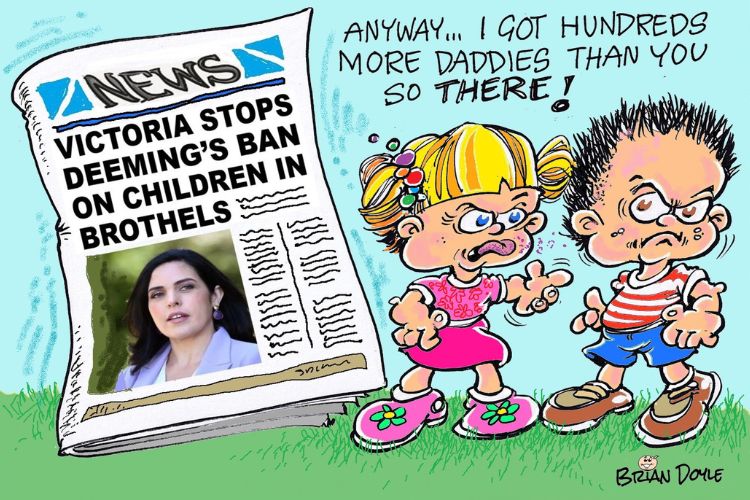
Labor and the Greens voted down a motion by Moira Deeming MP that would have banned children from being present during in-person commercial sex work, including in private homes.
25 September 2026
2.9 MINS
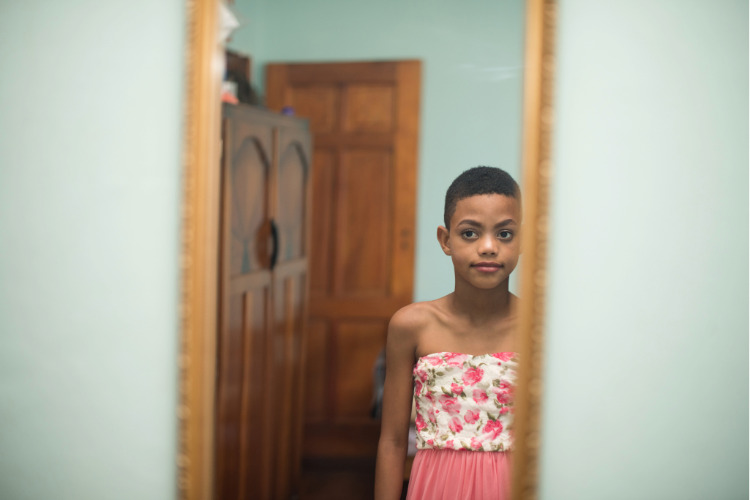
Samuel Adrián’s arrest in Colombia has intensified a growing debate over freedom of expression, transgender ideology, and the protection of children.

24 September 2026
4.8 MINS
The Digital Duty of Care Bill claims to be about safety. But the actual wording allows the Minister for Communications to decide what "harm" means, and a senator has already confirmed who that power is really meant to silence.
24 September 2026
3.4 MINS
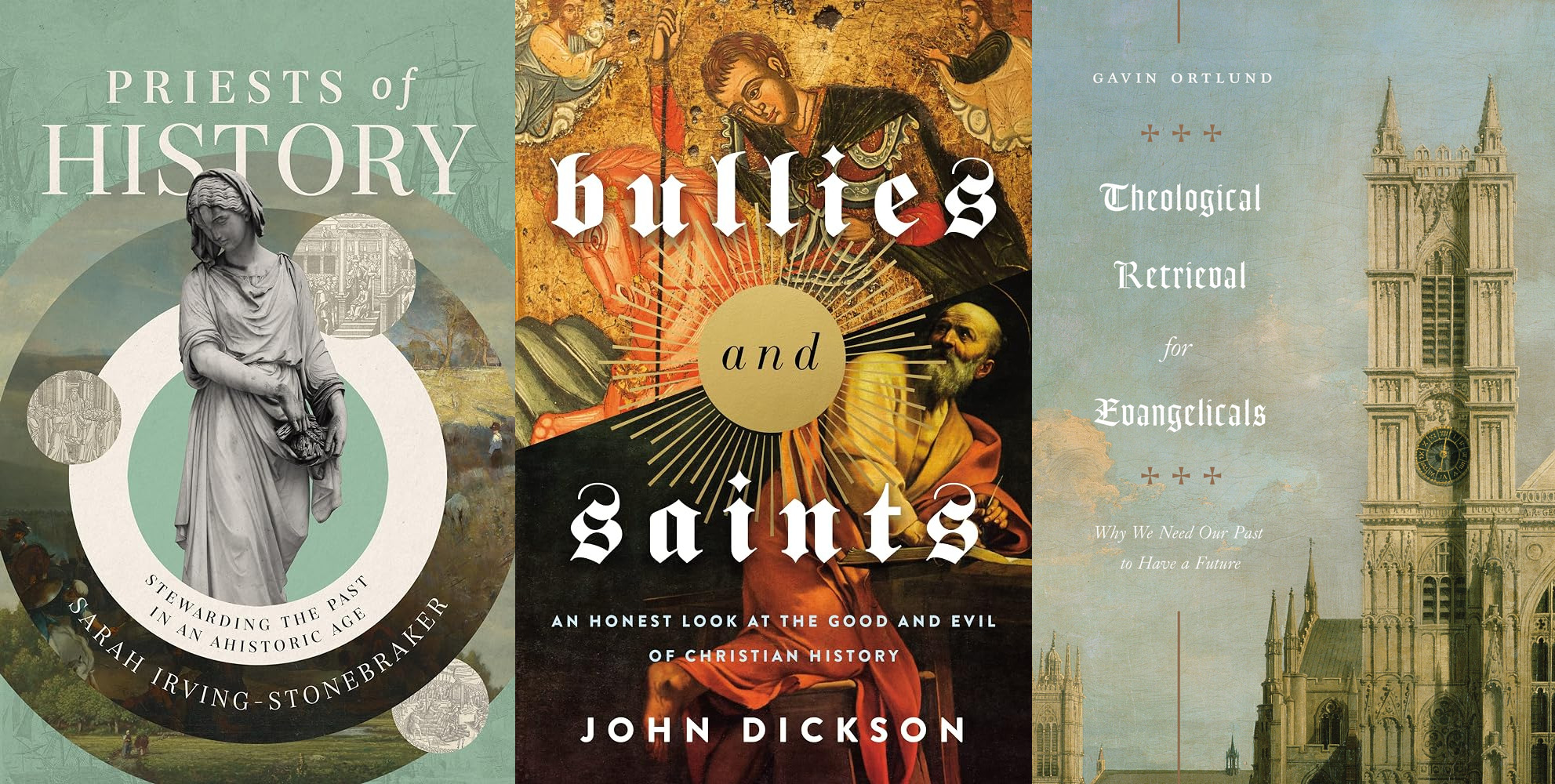
Rediscover the rich story of Christianity with two accessible histories that help evangelicals recover their heritage, confront the Church’s failures, and deepen their understanding of the faith.

23 September 2026
4 MINS
A renewed petition targets pro-life law professor Dr Joanna Howe, as she and husband James fight back against claims they say have damaged their careers and reputation.

23 September 2026
6.6 MINS
Government-funded research on boys, masculinity and the manosphere deserves rigorous scrutiny, especially when contested theories begin shaping education, regulation and public policy.
21 September 2026
4.4 MINS
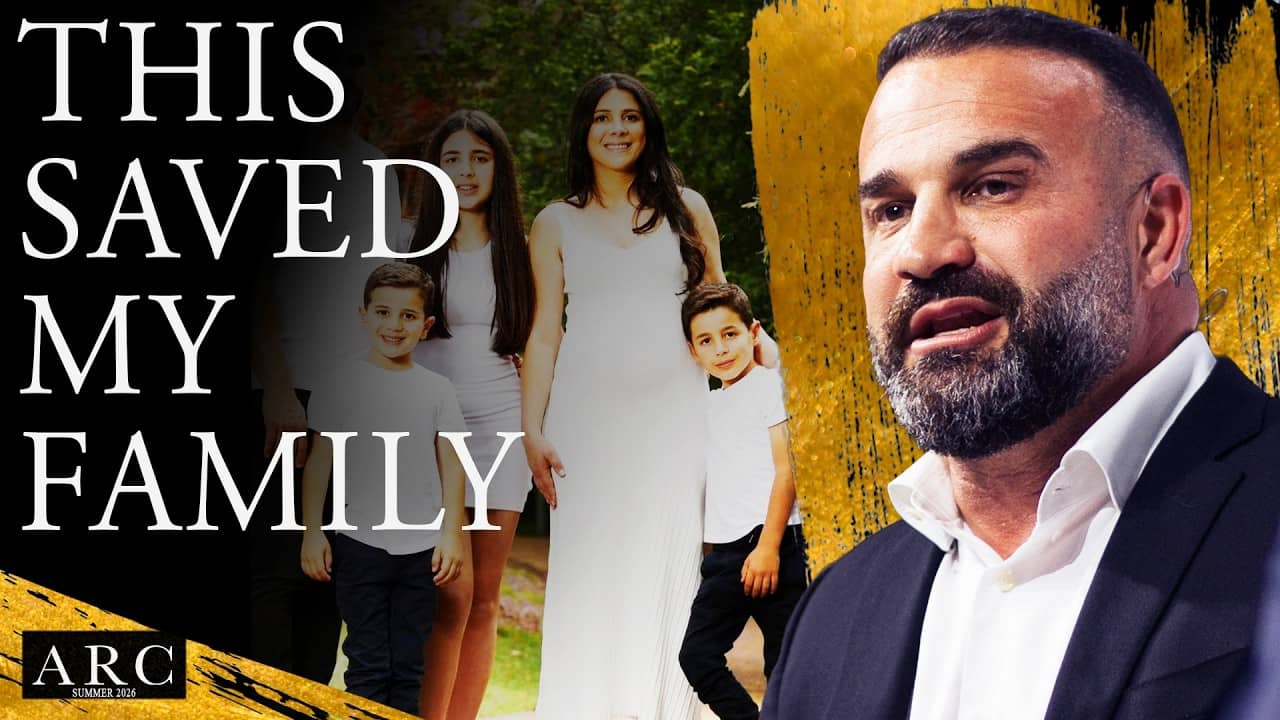
Forgiveness is a choice, not a feeling. That was the message Danny Abdullah brought to London's ARC conference, sharing how he and his wife chose to forgive the man who killed three of their children.


