



Hollywood, Christianity, and Mr Rogers
The new film about Mr Rogers is part biography, part Hollywood humanism:
Given that the 2019 film A Beautiful Day in the Neighborhood has to do with a well-known American television personality whom most Australians may never have heard of, I guess that explains why it will not be breaking any box office records here down under, despite the fact that it features one top Hollywood star, Tom Hanks.

Growing up as I did in America, I saw the program at various times, and my own children – when we lived in the US – also got to see some of the episodes as well. So why go to see a film about a television show? Well, for various reasons, including the fact that Rogers was quite a remarkable man who had a tremendous impact on so many lives – both young and old.
Before discussing the film version of events, let me speak to the real Mr Rogers a bit further. He was born in Pennsylvania in 1928. Although he had a tough childhood, and was bullied for being overweight, he went on to graduate from Dartmouth College and then Pittsburgh Theological Seminary. He was ordained a minister of the United Presbyterian Church in 1963.
He was also involved in the University of Pittsburgh’s Graduate School of Child Development. Instead of taking up a pastorate, he chose to use television to help children and their families. Episodes of his show often dealt with very real problems such as parental conflict, pain and brokenness, the need for forgiveness, and the reality of death. Reverend Fred McFeely Rogers passed away in 2003.
The film gives us a somewhat accurate look at the man and his mission. The storyline involves a cynical and broken magazine writer who is sent to do a story about him. He thinks Rogers is a phony, and he wants to do an expose of him, but he discovers that he is the real deal, which helps him in dealing with his own broken family ties.
Of course being a Hollywood production, the most important component of Rogers’ life – his Christian faith – is almost entirely omitted. Indeed, most folks would barely know that Rogers was a Christian – let alone an ordained Presbyterian Minister – if the film was all they had to go by.
All we had were a few brief hints of his faith throughout the movie: at one point his wife tells the reporter that Rogers reads Scripture, prays, and swims laps in a pool. At one point he is shown kneeling at his bedside praying for others, and at the end of the film he asks a dying man to pray for him. So we have yet another film trying to humanise someone who was a Christian.
I am not a film critic, so others can do a better job than I of assessing the movie. Let me draw upon just one article found in the National Review, by Armond White. A few quotes will suffice:
Director Marielle Heller attempts a sensitive, almost spiritual evocation. She intersperses TV-show sets and toylike miniatures among scenes of desolate realism in which pious Rogers is tested by pessimistic Vogel. Rogers looks past Vogel’s sarcasm, almost divining the writer’s private pain. It’s a dramatization of Rogers’s uncanny calm and childlike patience — qualities that modern society distrusts, preferring to put stock in Freudian explanations.
This concept is almost too philosophically large for the kind of movie Heller is making. Scenes where Vogel reveals lifelong resentment of his philandering father (Chris Cooper) apply Rogers’s TV teaching to an adult’s family crisis. But Heller and screenwriters Micah Fitzerman-Blue and Noah Harpster don’t show enough faith in Rogers’s remedies — and not enough interest in their religious origins.
In short, the movie seems wary of faith (it briefly mentions that Rogers was an ordained minister) and settles for secular sentimentality to account for his sensibility and behavior. This not only weakens the film, but it also hobbles Hanks’s characterization…
With progressive politics as the opiate of Hollywood, there’s no way to find true meaning in Fred Rogers’s life story, reducing it to the Christmas-without-Christ cheerleading. Using Rogers’s TV show as a replacement for religion — as if it merely demonstrated our need for psychoanalysis — fights Heller’s own sensitivity.
Despite the fact that the core motivation of Rogers’ life is for the most part absent from the film, leaving us with mainly sentimental humanism, the film can still be a worthwhile watch. It does tug at the heart and may well produce some tears. Key themes are covered, such as the importance of dealing with our childhood hurts and pains.
So too is the need for forgiveness and the importance of seeking to mend broken relationships – especially with one’s own family members. If the film inspires others to do those sorts of things, it has a role to play. But the key truth is this: left to ourselves, we are unable to show the love of God to others, nor able to demonstrate real forgiveness.
It is because God first loved us while we are yet sinners that we are able to get right with God through Christ. That in turn enables us to really love our neighbour as ourself. Only a life-altering encounter with the risen Christ can enable us to really proclaim, ‘Won’t you be my neighbour.’
___
Originally published at CultureWatch.
Photo: AP
Recent Articles:

28 August 2026
1.4 MINS
When floods hit Nepal, killing dozens and leaving Australians missing, the Greens found their villain: Australian coal. A look at climate politics' newest ritual — the search for a sinner.
28 August 2026
5 MINS
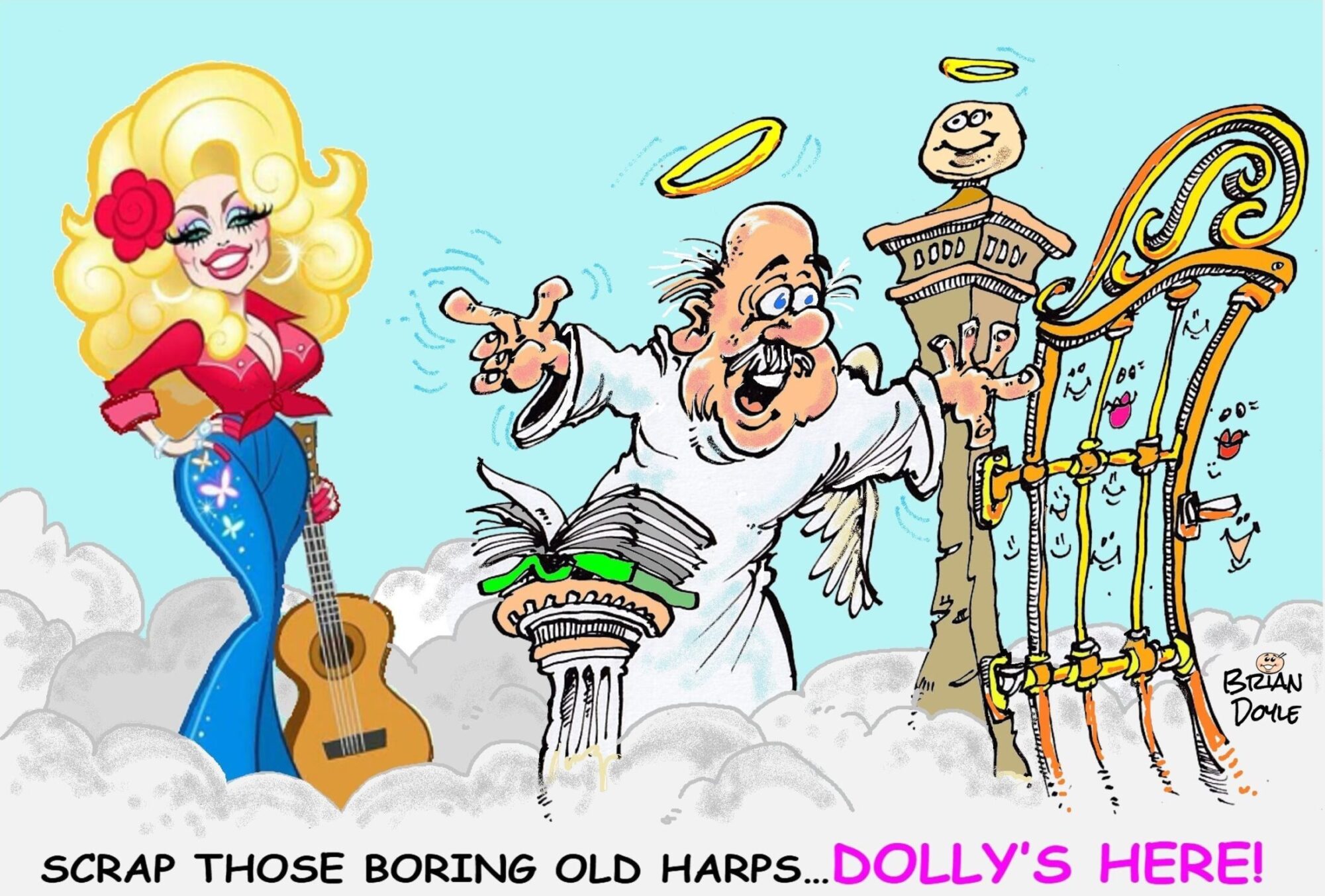
Dolly Parton has died at 80, leaving behind a legacy of faith, generosity, and music. Tributes are pouring in from celebrities, politicians, and everyday fans she touched.

28 August 2026
2.6 MINS
Thomas Aquinas questioned Muhammad’s credentials to speak for God. His question remains uncomfortably relevant.

28 August 2026
5 MINS
Politics feels exhausting and toxic, but William Wilberforce's story shows why Christians shouldn't retreat from public life. His crisis of faith and calling offers a model for today.

27 August 2026
4.8 MINS
Bishop Fulton Sheen argued Communism and capitalism share a common root—materialism divorced from morality. That affinity, this piece argues, explains China's persecution of Christians today.

27 August 2026
2.6 MINS
Religious leaders are urging Labor to exempt faith-based charities from its new 30 per cent discretionary trust tax, warning the reform could severely cut philanthropic funding for vulnerable Australians.

26 August 2026
1.6 MINS
Victoria's cults inquiry report lacks clear definitions and religious freedom safeguards. ACL welcomes support for survivors but warns mainstream churches and homeschooling families could be wrongly caught up.


