



Why a Vote for Trump Can Be Morally Right
This post is really for Christians who are conservative but who believe that voting for Trump is wrong.
A common Christian argument against voting for Trump is that Christians should not buy into a ‘means justifies the ends’ morality. In other words, Christians should not vote for Trump because that would be doing something evil in order to achieve something good. This argument strikes me as being quite close to circular reasoning: it’s wrong to vote for Trump because voting for Trump is wrong. At the very least, the person who makes the argument needs to justify why voting for Trump is wrong in the first place. I sincerely believe they have a lot to work with, to be honest. But I also think those who are pro-Trump have more in their favour, all things considered.
But my position is that whether a vote is wrong or not depends on a whole bunch of things, and only after we consider these things can we say that a vote is right or wrong. Furthermore, the complexity of the factors is such that I can imagine two people coming to two different but quite reasonable conclusions. In other words, I fully accept that someone could reasonably say that voting for Trump is wrong.
My point is that that person should also be able to see how someone could come to a different position and still be reasonable. Let me be clear though: just because I think someone is reasonable doesn’t mean that I think they are right. I think someone can be reasonable and still be wrong. This is especially the case for people who would consider themselves conservative Christians but also NeverTrumpers. In all sincerity I believe that they are wrong, however reasonable.
What determines whether a vote for Trump is right or not? The following are in no particular order, and are probably not of equal weight. Here they are:
- Policies of candidate and party
- Likelihood that the candidate can pursue the policy agenda
- Character of the candidate
- Track record of the candidate in fulfilling promises when s/he is able to fulfil them
- Broader impact that a candidate will have on society as whole
- Party/policies likely to prevail if said candidate is NOT elected — i.e. the alternative
No doubt there are others, and each point can be broken down into many sub and sub-sub points.
My point is that prior to considering these factors, we can’t determine whether or not voting for a candidate is good or bad. Furthermore, taking one — say, character — and making it everything runs the risk of voting for someone who is nice but incompetent or seriously detrimental; or not voting for someone who is immoral but in many ways very good in other respects — policy, for example.
So the next time someone tells you that voting for Trump is bad because you shouldn’t do evil that good might obtain, just say that because you have considered the above factors, you don’t actually think that voting for Trump is bad. They will probably focus on one of his failings — personality or dealing with Covid-19 will be the most popular — and at that point you can have a discussion over those issues.
[Photo: BigStock]Recent Articles:

13 October 2026
5.5 MINS
Stephen Baldwin’s journey from drug addiction to sobriety, Christian faith and family life reveals how surrender, daily discipline and renewed hope transformed his life.

12 October 2026
3.1 MINS
The proposed livestream of Nidal Hasan’s execution has reignited debate over justice, deterrence and public accountability, with critics comparing American justice to ISIS propaganda.
12 October 2026
3.7 MINS
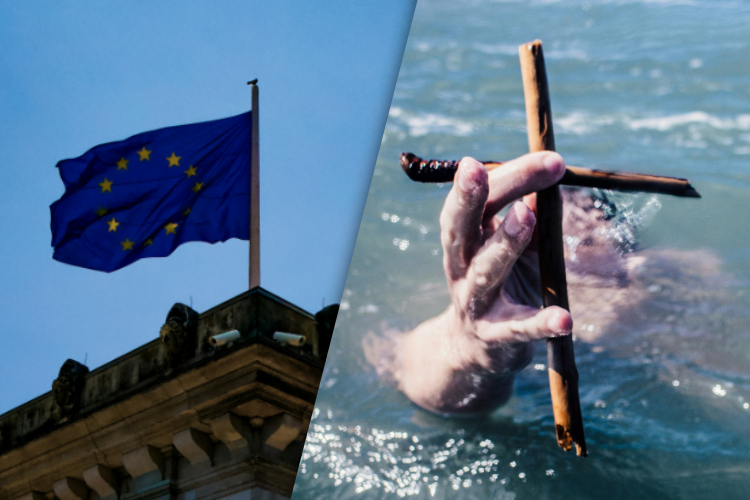
An EU court case over baptismal records could pit data protection laws against religious freedom, raising serious questions about whether governments can compel churches to erase sacramental history.
8 October 2026
4.1 MINS
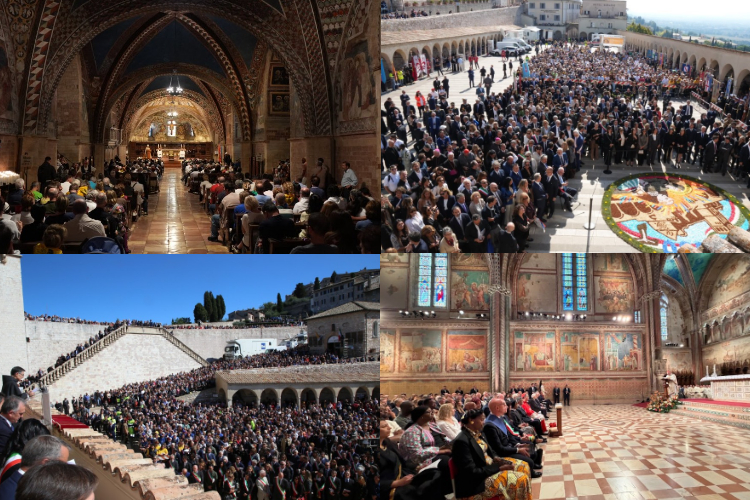
Italy honours St Francis of Assisi 800 years after his death, celebrating a saint whose devotion to Christ, radical simplicity and message of peace continue to shape generations.
7 October 2026
1.5 MINS
Across the Middle East, North Africa and Anatolia, Christianity once shaped entire civilisations. Could Britain’s Christian heritage likewise become a memory rather than a reality?
7 October 2026
6 MINS
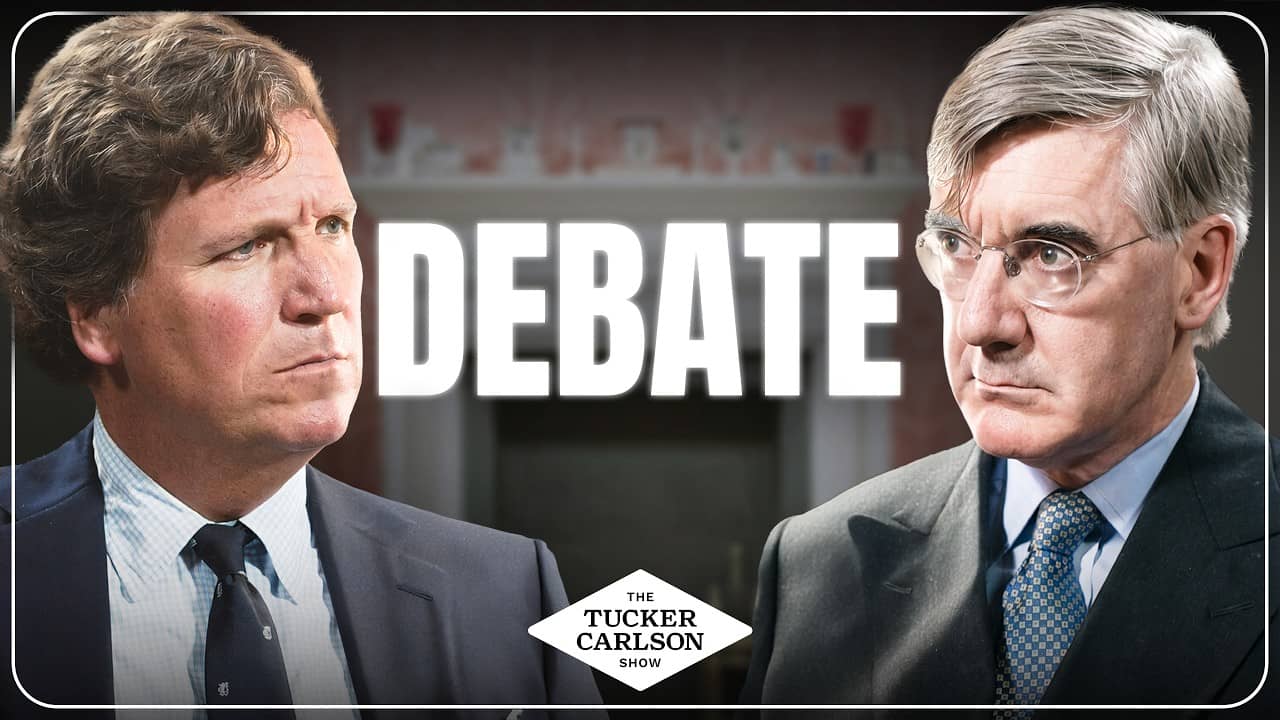
What can Tucker Carlson’s interview with Jacob Rees-Mogg teach us about political disagreement? Their clash over war, Russia and national defence highlights the importance of listening carefully and understanding an opponent’s position before attempting to refute it.

7 October 2026
8.5 MINS
Gerald McDermott’s work challenges Christians to approach Israel through Scripture first, exploring God’s covenant faithfulness, Christian Zionism, Jewish identity and antisemitism.


