



Big Tech Won’t Police Itself
Despite many grillings in Congress, the heads of Big Tech companies are doing little to protect children online. There is no other way: tough legislation is now required.
The problems with social media, like harming minors with sexual content, won’t fix themselves, especially with the CEO’s ignoring them.
Ruth Institute President Dr Jennifer Roback Morse charged social media companies like TikTok, Snapchat and YouTube with being “wildly disingenuous.”
“Whenever they’re called before Congress, they claim they’re doing their utmost to protect minors from sexual content. But their protestations are meaningless,” Morse said.
Indifference From Big Tech
At last week’s hearing before the Senate Commerce Subcommittee on Consumer Protection, Product Safety and Data Security, executives of the three social media giants were grilled by sceptical senators on both sides of the aisle about these problems with social media.
Morse remarked: “It’s rare when Republicans and Democrats can get together on anything. But they agreed about the seeming indifference of High Tech when it comes to protecting minors from corrupting influences.”
Utah Senator Mike Lee revealed that his staff had set up a Snapchat account for a fictitious 15-year-old. Someone that age is supposed to be protected from ads and content with sexual content. But the fictional teen’s page included invitations to play online sexualised video games, articles by porn stars and ‘helpful hints’ for visiting bars. Lee said the content could most politely be described as “wildly inappropriate for a child.”
A Moment of Reckoning for Social Media
When faced with concrete evidence of negligence or wrongdoing, representatives of these companies have a routine response. Michael Beckerman, Head of Public Policy at TikTok America, said, “Sex and drugs are violations of our community standards; they have no place on our site.”
Morse replied: “Big deal. Despite TikTok’s solemn disavowals, the content is there for anyone to see. What is TikTok doing about it? Nothing.”
Calling it “Big Tech’s… moment of reckoning,” Senator Edward Markey (D. MA) asked the executives if they would support bipartisan legislation that would give minors more privacy rights and ban ads and targeted video autoplay for children. All three equivocated.
“Could their insincerity be any more obvious?” Morse asked. “This hearing proves, as if further proof was necessary, that this is an industry unable or unwilling to police itself. Bring on the bi-partisan legislation.”
Originally published at the Ruth Institute. Image by McKaela Taylor on Unsplash.
Recent Articles:
13 November 2026
3.5 MINS
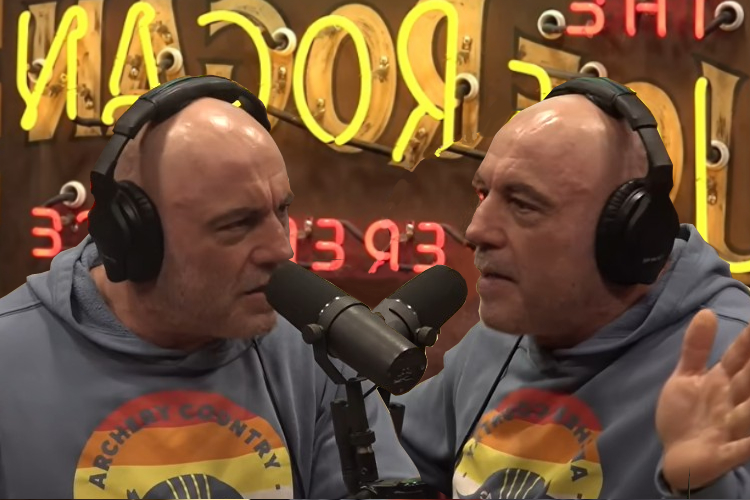
Joe Rogan has questioned why progressive ideology is infiltrating Christian churches, exposing how political slogans are filling the spiritual vacuum left by declining religious belief.

13 November 2026
4.4 MINS
A sobering new study reveals that two-thirds of American Christians fail a basic Bible knowledge test, exposing a crisis of biblical literacy within the Church.

13 November 2026
7.2 MINS
A fresh challenge to conventional climate change thinking examines ocean temperatures, atmospheric energy flows and historical climate patterns, questioning the science behind catastrophic warming predictions.

13 November 2026
3.5 MINS
Historian Christopher Dawson argued that religion is the spiritual foundation of civilisation. As Christianity retreats from public life, his warnings about cultural decline deserve renewed attention.

13 November 2026
9.1 MINS
Understanding Islam requires more than interfaith goodwill. Examining its theology, political ambitions, migration and Western alliances, we require vigilance without abandoning Christian compassion.
12 November 2026
3.9 MINS
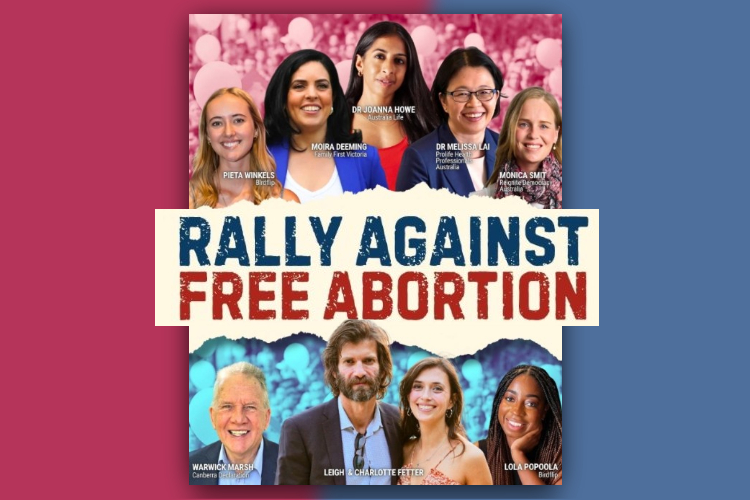
Victoria’s Presbyterian Church has condemned Labor’s promise of free abortions, with Moderator Rev Dr John Wilson urging political leaders to protect unborn children and support mothers.

12 November 2026
3.1 MINS
Andrew Denton wants to liberalise Australia’s assisted suicide laws further, but the Dutch experience raises serious questions about where voluntary assisted dying (VAD) ultimately leads and who will be affected.


