



90 Countries Back ‘Sexual Orientation and Gender Identity’ at the United Nations
The UN General Assembly has adopted its first resolution that uses the language of “sexual orientation and gender identity”. The vote was unanimous, but a band of delegates from non-Western countries say they were bullied into supporting it.
NEW YORK, November 26 (C-Fam) For the first time, the General Assembly unanimously adopted a resolution that includes the terms “sexual orientation and gender identity,” though not without objections.
For over two decades, countries that promote the LGBT agenda have avoided putting the terms “sexual orientation and gender identity” in UN resolutions for fear that traditional countries would vote against them. This is because diplomats always strive for resolutions to be adopted unanimously.
Now, the long-standing stalemate in UN negotiations broke in favour of the LGBT agenda, opening the door for LGBT issues in many other UN resolutions.
The controversial phrase was adopted unanimously in a United States-sponsored resolution on free and fair elections Thursday last week. No country was willing to vote against the resolution because of pressure from the Biden administration and fear of being labeled anti-democratic.
Fifty-eight countries voted to remove the phrase through an amendment on the floor of the General Assembly. Ninety countries voted to keep the controversial terms. But in a surprising development, all fifty-eight countries who voted against the controversial terms ultimately decided to support the resolution after failing to amend it. All they could do in the end is accuse the United States and the European Union of bullying and intimidation.
Continue reading this exclusive report at the Center for Family and Human Rights (C-Fam).
Image via C-Fam.
Recent Articles:
23 October 2026
13.1 MINS
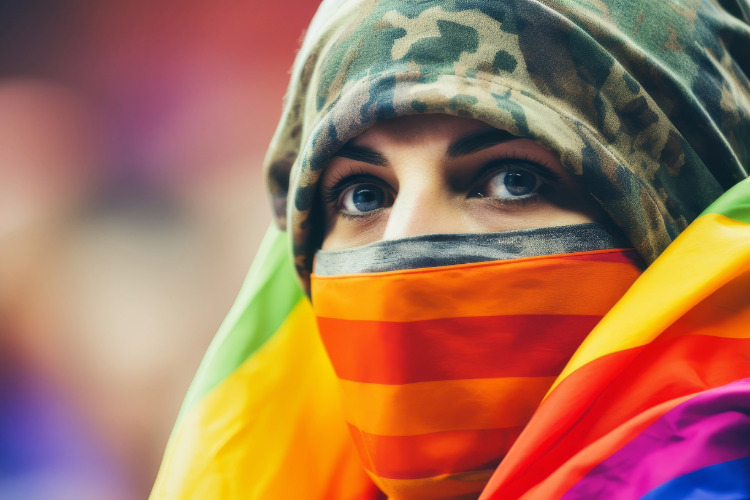
Tasmania’s proposed conversion practices legislation raises serious questions about religious freedom, pastoral care and whether Christians can freely pray with those seeking to live according to their faith.
23 October 2026
5.1 MINS
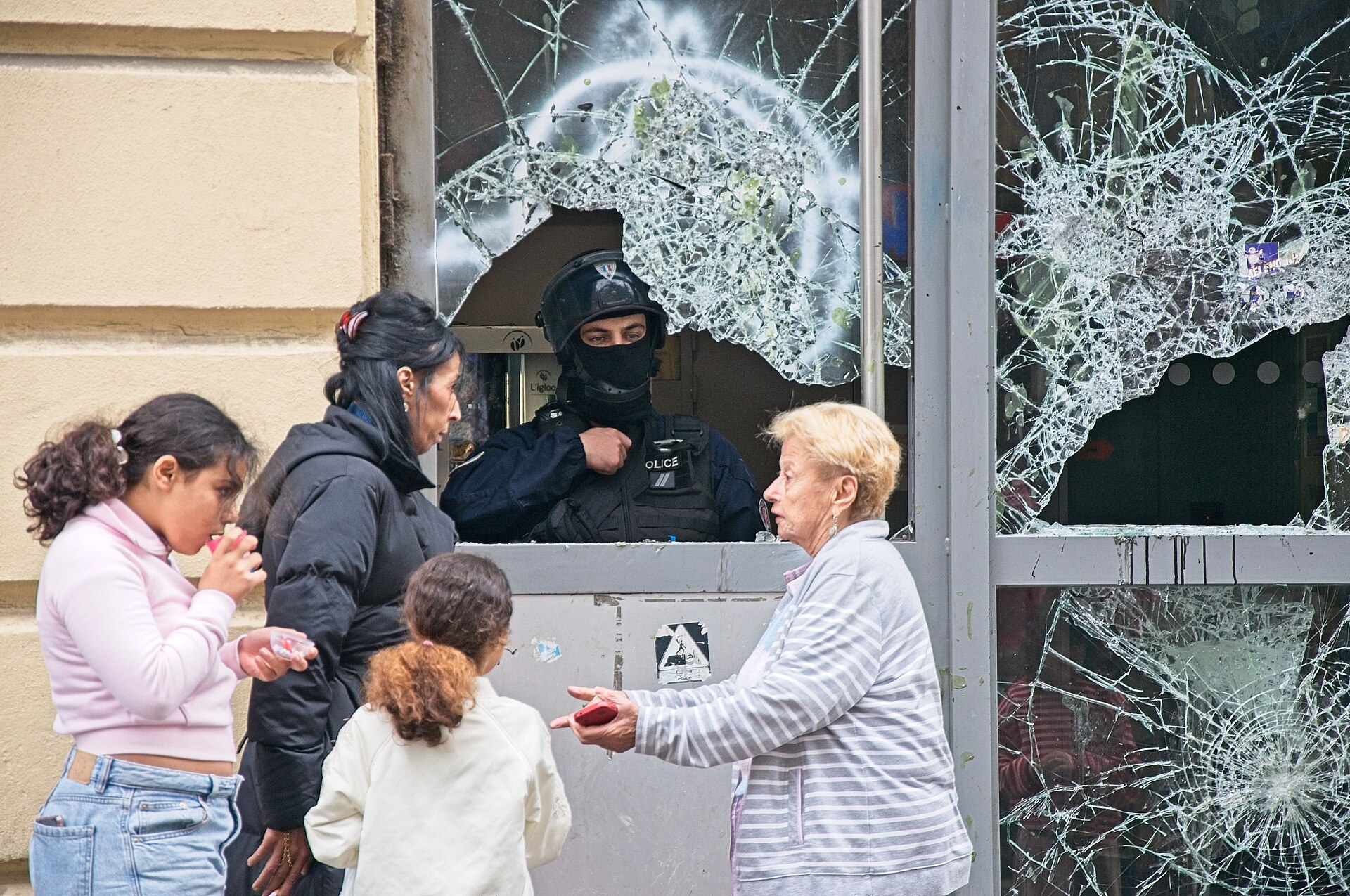
France’s escalating riots expose the dangers of political extremism, antisemitism and radical alliances, offering America a stark warning about the future of Western democracy.

22 October 2026
2.9 MINS
An Israeli political candidate claiming a remarkable biblical identity has sparked questions about false messiahs, the Antichrist and how Christians should interpret prophecy.

21 October 2026
3.9 MINS
Evangeline Lilly walked away from Hollywood to pursue a deeper purpose. Today, her Christian faith, humanitarian calling and passion for human creativity shape her next chapter.
21 October 2026
7.9 MINS
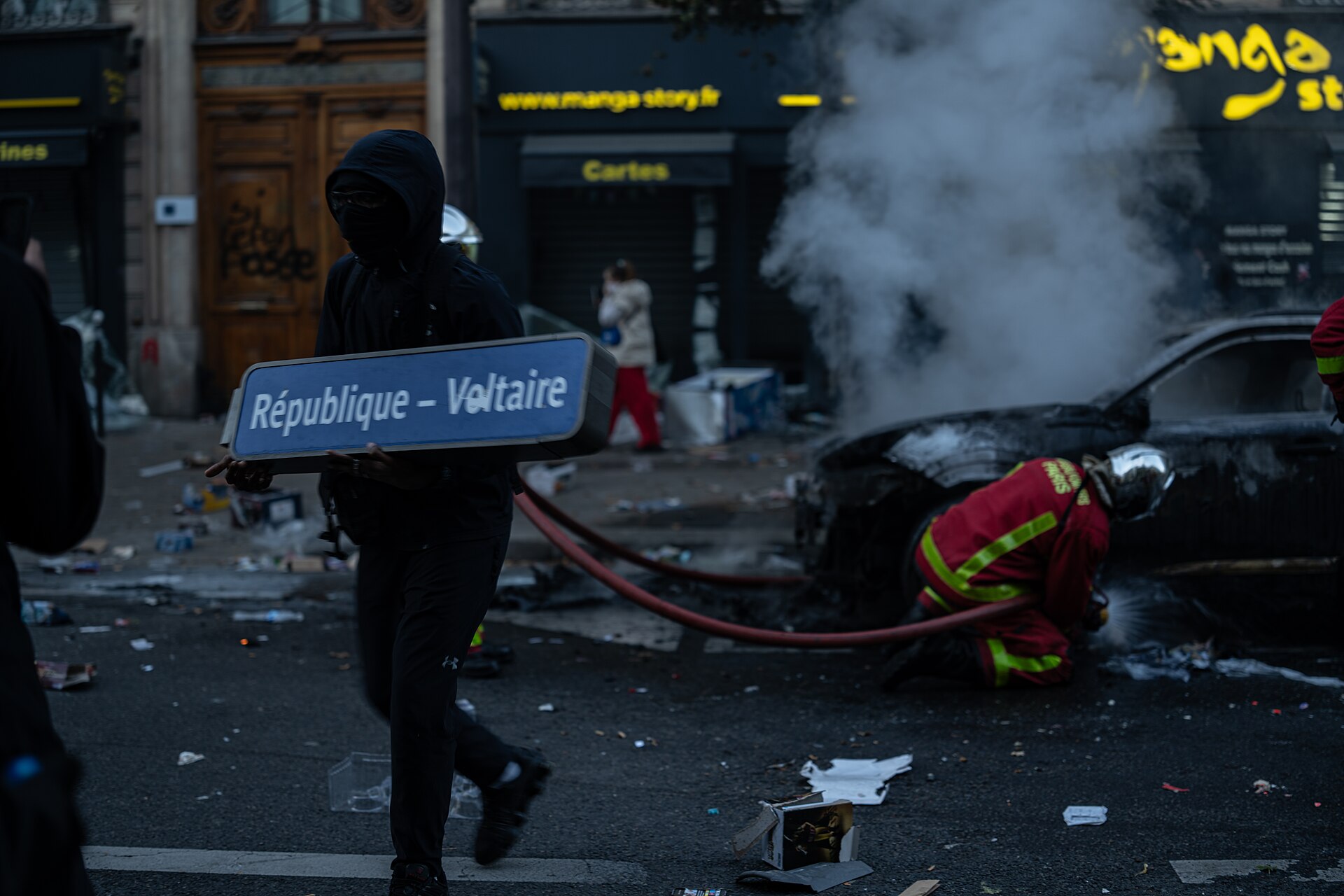
A collection of sobering reflections on Western civilisation’s decline, the loss of Christian foundations and the dangers of cultural complacency, ending with a message of enduring Christian hope.

20 October 2026
7.7 MINS
France and Europe are burning — is it too late to save them from the barbarians?
20 October 2026
4.6 MINS
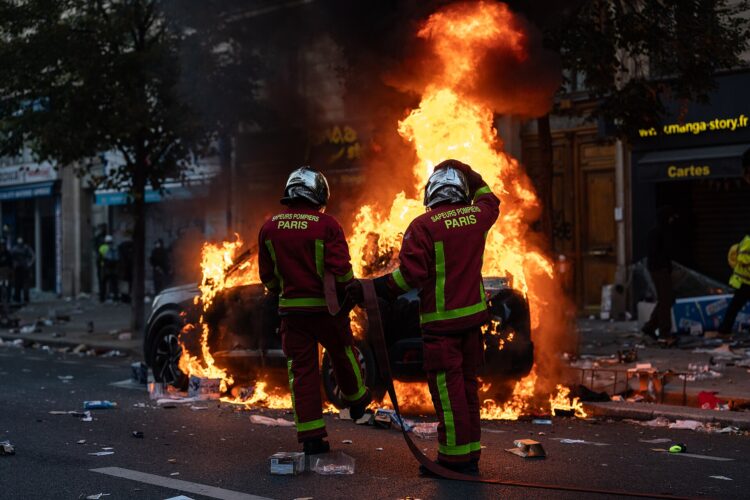
As rioters burn cars and historical buildings, celebrating the destruction of France’s inheritance, the West confronts an uncomfortable question: what happens when a civilisation loses the will to defend itself?


