



Marriage: a Thing of the Past?
As the institution of marriage crumbles, here are some good reasons we ought to safeguard it.
There’s no way to sugarcoat it: Marriage is fast becoming obsolete in America. In 1970, 70% of American adults were married. By 2018, that figure had fallen to 50%.
It gets worse. Among adults in their prime childbearing years (18 to 24), 45% were married in 1960, compared to only 9% today.
We’re marrying later in life and having fewer children. Increasingly, we’re not marrying at all. Perhaps that’s why our fertility rate is now well below replacement — currently 1.78, with 2.1 the number of children the average woman must have in her lifetime to replace the current population.
Broken Families
In 1968, 13% of children lived with an unmarried parent; today, it’s nearly one-third. You can see the consequences in the schools and the streets.
Opinion polls bolster these findings.
According to a Pew Research survey, among 18-to-25-year-olds, 78% believe cohabitation is acceptable, even if the parties don’t plan to marry later on. In a December 2020 Gallup survey, only 29% said it was very important for a couple to marry to have children — down from 38% in 2013.
One of the strongest cases for marriage comes from an unlikely source. In an opinion piece published in 2010, 1970s sex symbol Raquel Welch wrote: “I’m ashamed to admit that I myself have been married four times, and yet I still feel that it (marriage) is the cornerstone of civilization, an essential institution that stabilizes society, provides a sanctuary for children and saves us from anarchy.” Now that’s the type of sex education that should be taught in our schools.
Fulfilment and Stability
Married couples are happier, healthier and better off financially than their unmarried counterparts. Being single has been called one of the greatest health risks people can voluntarily take. Husbands and wives are 10% and 15% less likely to die prematurely than the unmarried.
They’re also safer. In a 2012 report, DOJ’s National Crime Victimization Survey found that the rate of victimisation was 13.5 per 1.000 for those who were married, 37.0 for the divorced and 40.7 for individuals who have never been married.
On every index, children who grow up in a family with their married, biological parents are better off — less likely to drop out of school, commit crimes, abuse drugs and alcohol and engage in sexual activity at an early age.
Under Attack
The what is easy. The why is more complicated.
For more than half a century, there has been a relentless war on marriage. Adolescents have been told they don’t have to marry to have sex or even live together.
Marriage has been described as the relic of a bygone era. Opponents ask: How can words spoken at a ceremony and names on a piece of paper somehow “sanctify” a union and ensure bliss?
The increasing popularity of marriage substitutes — including cohabitation, domestic partnerships and same-sex unions — further undermines marriage. Last year, Cambridge, Massachusetts (home of Harvard University), took the next logical step by redefining domestic partnerships to include two or more unrelated individuals. Can polygamy be far behind?
Professor Robert George of Princeton University says that historically, marriage has required permanence, fidelity and exclusivity. For good measure, throw in complementarity — the union of males and females.
Media Distortion
More than politics, popular culture has changed attitudes about marriage. Once upon a time, even married couples couldn’t be shown in bed together in movies. TV sitcoms of the 1950s featured intact families — like Father Knows Best, The Donna Reed Show and Ozzie and Harriett — bound by love and tradition.
The Mary Tyler Moore Show celebrated singleness, and One Day at a Time single-parenting, while Married With Children presented the grotesquely dysfunctional as typical. Today, the nuclear family is an endangered species. A happy exception is the Netflix reboot of Lost in Space.
In the 1950s, viewers wanted normalcy. Today, Hollywood pushes the aberrant, the bizarre and the downright ugly. Is it so surprising? Movies are made by people on their third marriage, with a few potential harassment suits lurking in the background.
Real marriage is good for couples, children and society and essential if we’re to have a future. However, if we want to keep it, we’ll have to fight for it.
Maybe National Marriage Week should be renamed Stand Up for Marriage Week. Stand up against an army of detractors, marriage alternatives and increasingly hostile culture.
___
Originally published in The Washington Times.
Recent Articles:

19 October 2026
6.7 MINS
Europe’s escalating unrest raises urgent questions about immigration, national identity, secularism and the decline of Christian influence, prompting calls for repentance, prayer and renewed leadership.
19 October 2026
12.4 MINS
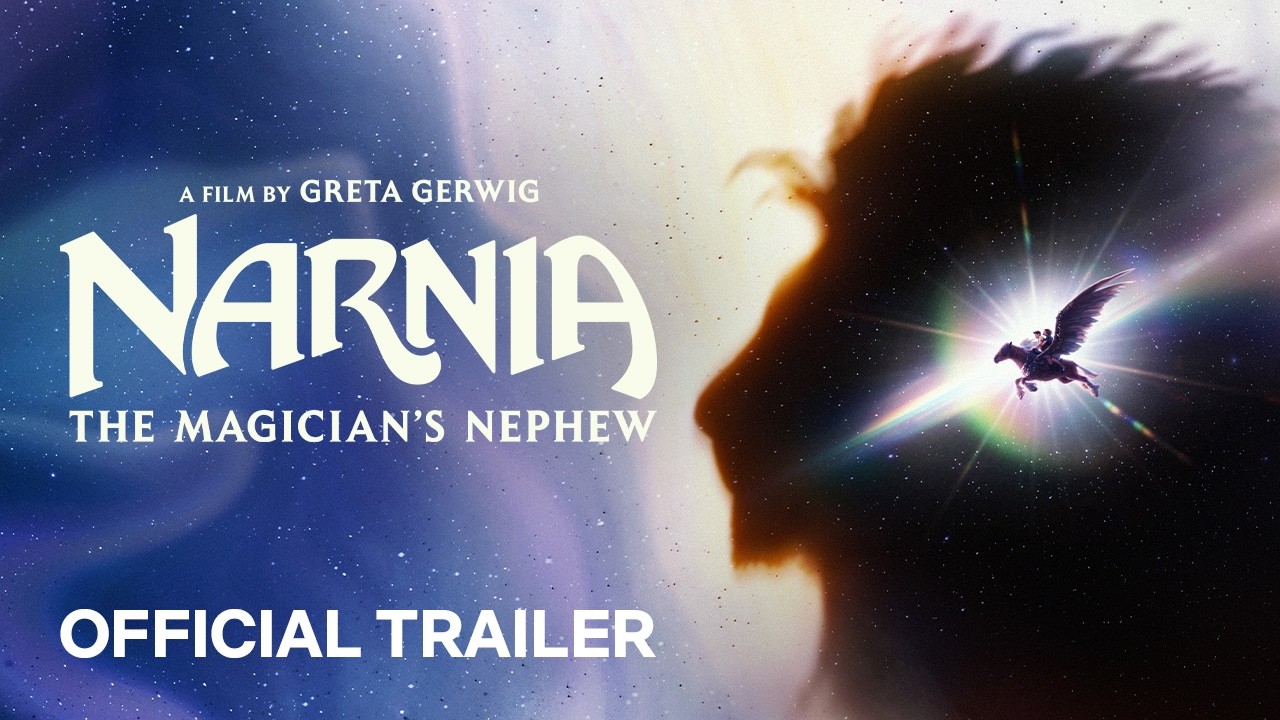
Greta Gerwig’s "Narnia: The Magician’s Nephew" trailer raises questions about C. S. Lewis’s Christian vision and the faithfulness of the new Netflix adaptation. Here are my initial impressions and concerns.

19 October 2026
2.7 MINS
The UK Greens’ vote to define Zionism as racism has exposed deep divisions within the party, raising questions about its future leadership and political direction.

19 October 2026
3.3 MINS
Discover why dads make a unique difference in their children’s lives, and how the Dads4Kids Fun Camp creates lasting memories through adventure, connection and fun.
16 October 2026
4 MINS
A desperate Victorian Labor Party is peddling taxpayer-funded abortions as free “healthcare”. In a shameless attempt to stay in power, they're willing to do anything — including killing the unborn and forcing taxpayers to pay for it.
16 October 2026
4 MINS
Katie Zacharia’s first days as White House Press Secretary have sparked fierce media criticism, but her remarkable testimony of surviving an abortion attempt tells a deeper story.
16 October 2026
3.4 MINS
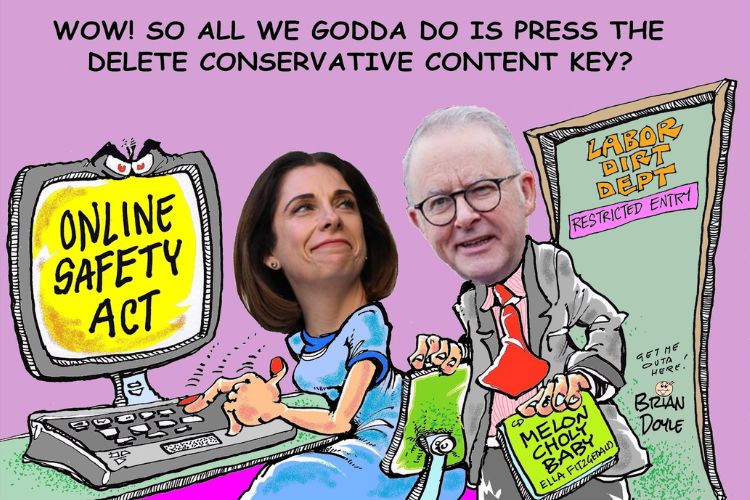
Australia’s proposed digital duty of care laws promise greater online safety and increased user control by switching off algorithms, but critics warn they could give ministers sweeping powers to restrict lawful content and threaten free speech.


