


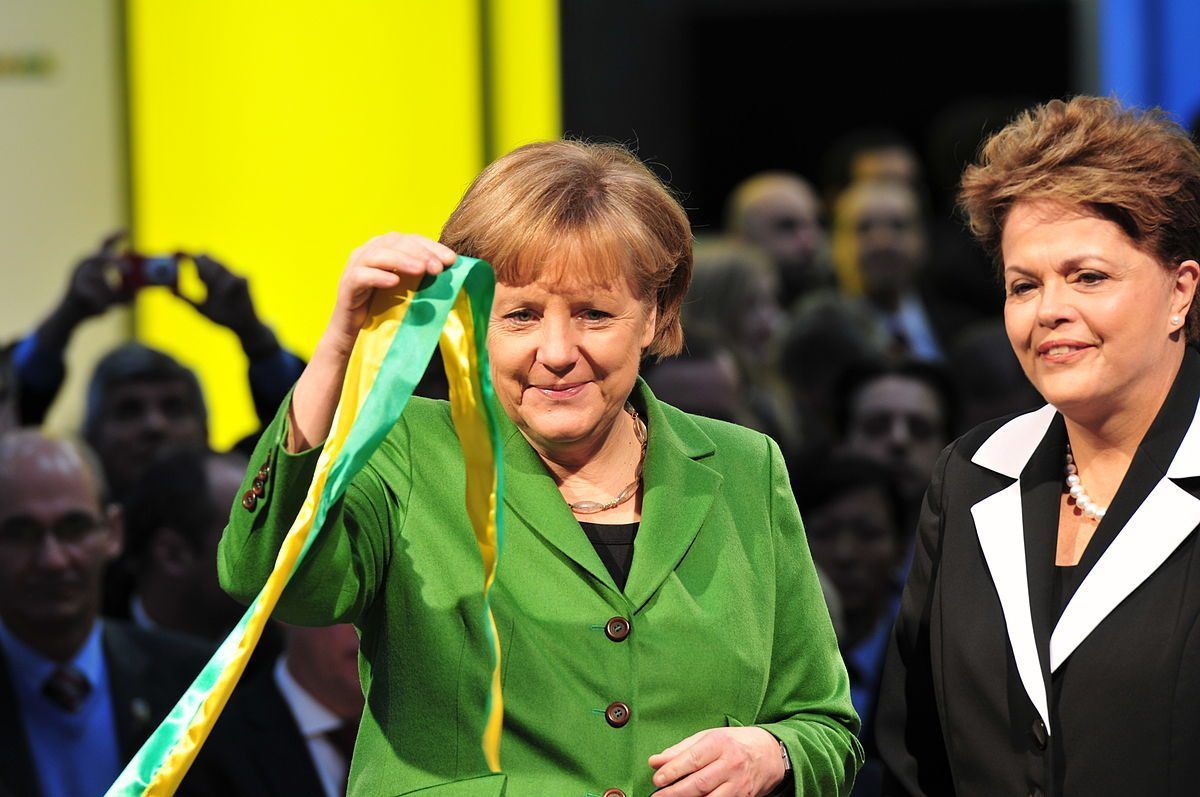
Germany: A Salient Lesson in Stupidity
Attempting to apply nonsensical environmentalist ideology to her nation’s energy policies, Germany’s Angela Merkel left her country exposed. With their main supply imperilled by war and winter approaching, Germans are in dire straits.
They say the road to hell is paved with good intentions. For proof, one need look no further than Germany.
In seeking to atone for the sins of World War Two, Germany has done the very things that caused World War Two. Namely, under the leadership of Angel Merkel, the country has pursued head-in-the-sand international policy and appeasement.
Merkel was elected chancellor in 2005, riding the wave of ‘empowered’ women leaders who could do no wrong.
By simply being in the top job, the former engineer was breaking through the ‘glass ceiling’ and therefore held up as a bastion of female achievement.
Merkel was a favourite of the left-wing media who failed to see that her globalist, socialist policies were always going to lead Germany to disaster.
Unreliable Energy Sources
Far from being the brilliant leader portrayed in the media, the Christian Democratic Union politician was pretty average. Another intellectual elite who, failing to understand human nature, believed solar panels and diplomacy were the answer to everything.
The problem, of course, is that the sun doesn’t always shine.
And people with bad intent (think Vladimir Putin and Xi Jinping) will pull the Red wool over your eyes every single time.
Merkel took leadership of a strong, industrial country that is now in a much weaker state than when she rose to power.
Just a year after Merkel left office, Germany is short on power and rolling back production. They are reliant on Russia for gas and on China for goods and services.
Merkel’s decision to shut down nuclear power and ramp up weather-dependent energy, backed up only by massive gas imports from Russia, will go down as one of the most staggeringly incompetent and mystifying national infrastructure policies in history.
Any explanation would require the use of psychologists rather than political historians.
Merkel’s rejection of nuclear power — a knee-jerk reaction to the Fukushima nuclear accident in 2011 — combined with her naive trust in Putin has her country now at the mercy of the Russians who threaten to cut off the country’s gas supply as winter approaches.
Germany imports around half of its gas and a third of its oil from Russia.
They Were Warned
In 2019 Donald Trump went to the United Nations and pointed out Germany’s folly in putting all their energy eggs in one basket.
The German delegation famously laughed at Trump.
They had form.
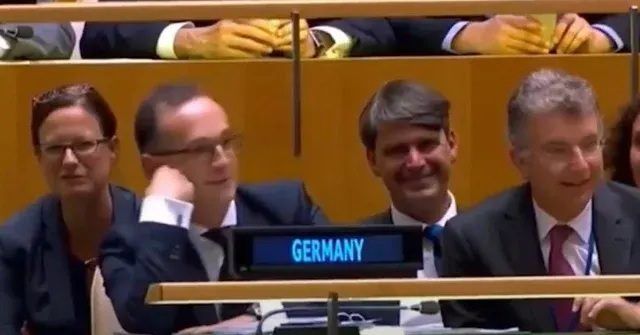
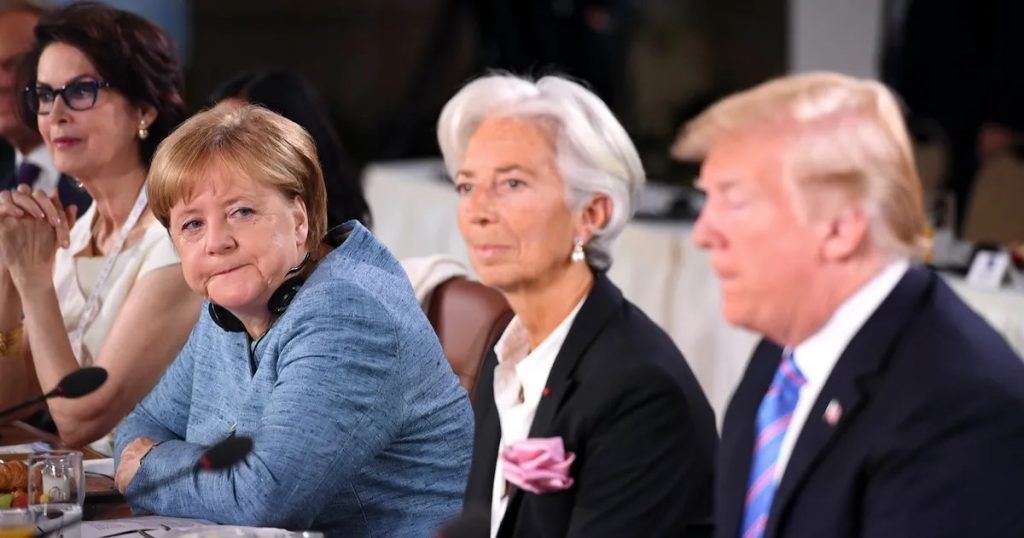
When Trump suggested that European nations should invest more in their own defence, Merkel rolled her eyes.
If a man rolls his eyes at a woman it’s misogyny. If a woman rolls her eyes at a man it’s… well, he had orange hair. But I digress.
Germany has been sourcing more and more of its gas from Russia, via the Nord Stream pipeline.
To access even more Russian gas, the Germans pursued a second pipeline (Nord Stream 2) that runs beneath the Baltic Sea direct to Germany.
Kyiv didn’t like this plan, warning it would give Russia too much control over European gas and could be used as “a dangerous political weapon”.
Merkel promised to fund green energy infrastructure in Ukraine and to push for sanctions on Russia if it bullied Kyiv.
Reaping the Consequences
Russia has now invaded Ukraine.
And Russia now threatens to cut off Germany’s gas, leaving the Germans with nothing but green energy, which is to say almost no energy at all.
Contingency plans are in place across Germany involving everything from shutting swimming pools, turning off street lamps and traffic lights, and housing citizens in industrial-scale dormitories that were built for Covid patients but are now being designated as “warm rooms” or “warmth islands”.
Meanwhile, demand for everything that heats without gas — even basic camping stoves — is at an unprecedented high.
Installers of wood-burning ovens report long waiting lists and cite a chronic lack of parts, as well as a shortage of qualified personnel.
A leader’s primary responsibility is to ensure secure borders, reliable and affordable energy, and food security.
Angela Merkel’s Germany is a salient lesson in stupidity that our own green-obsessed leaders would do well to pay attention to.
Her legacy is probably best summed up in Germany’s offer to Ukraine of 1,000 helmets.
___
Originally published at The James Macpherson Report.
Subscribe to his Substack here for daily witty commentary.
Photo: Ralf Roletschek/Wikimedia Commons
Recent Articles:
27 October 2026
1.5 MINS
Labor’s Digital Duty of Care Bill threatens free speech, empowers covert online surveillance, and imposes potentially burdensome regulations on Australian businesses.

27 October 2026
4.9 MINS
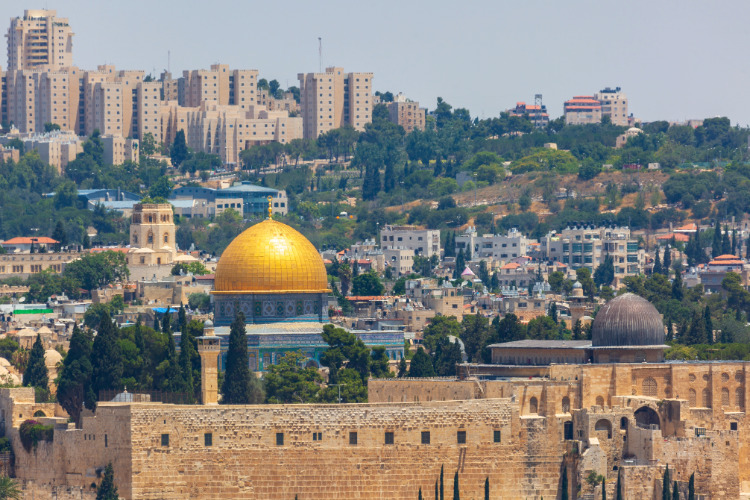
Nine Christians have been killed in a terrorist attack on a Jordanian church, prompting fierce condemnation, demands for justice and renewed concerns about religious persecution.
27 October 2026
3.6 MINS
For 25 years, the Mount Moriah Trust has supported struggling Christians across the Holy Land, bringing practical assistance, encouragement and hope to believers facing hardship and persecution.
26 October 2026
5.1 MINS
Anthony Albanese calls for civility after the Helen Haines attack, but revelations of a political dirt file raise uncomfortable questions about his government’s own conduct.

23 October 2026
3.1 MINS
As Western societies grow more hostile, could abandoning Christianity’s moral foundations be contributing to the rise of ideological extremism, political intolerance and violence?
23 October 2026
5.1 MINS
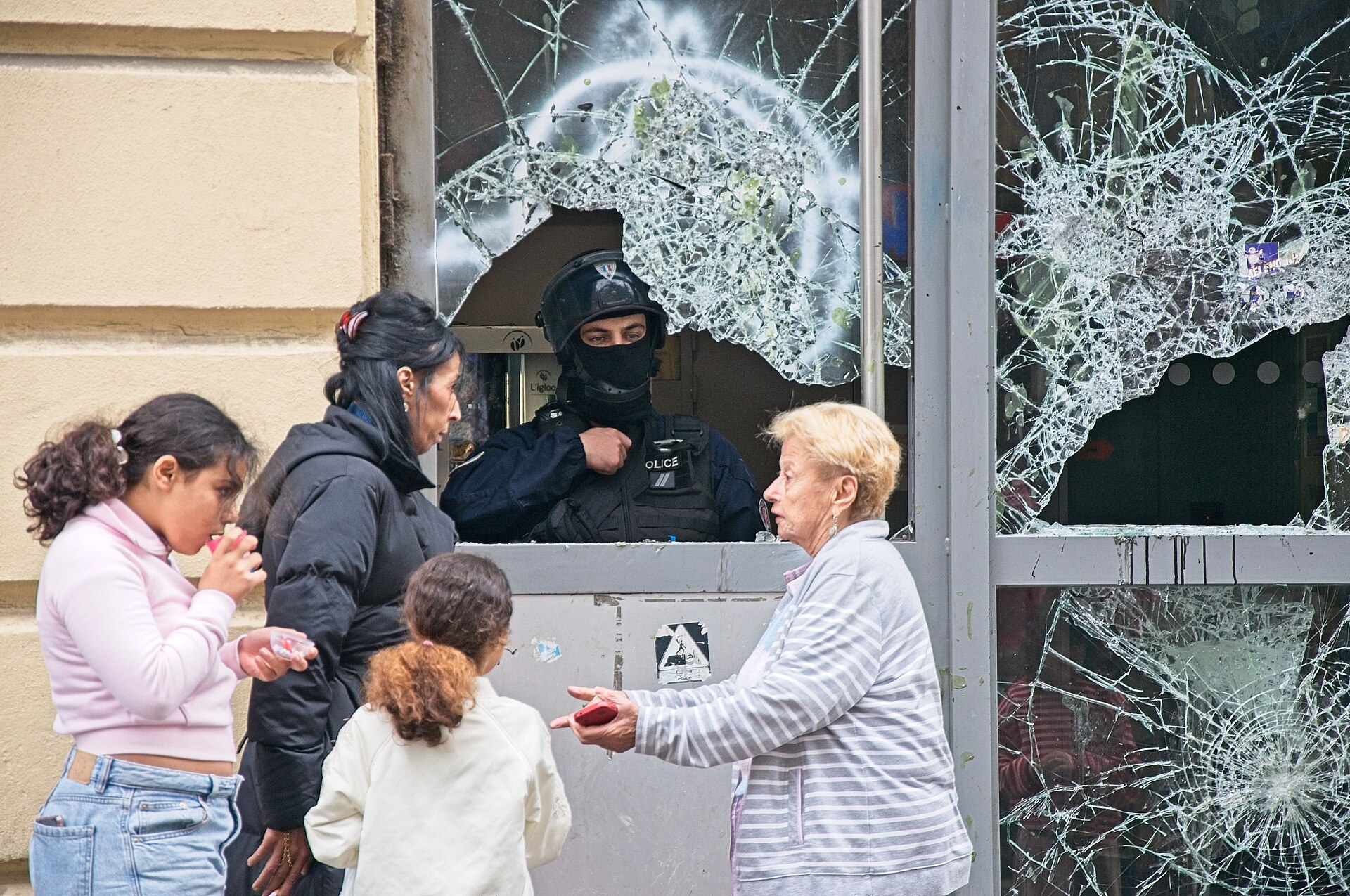
France’s escalating riots expose the dangers of political extremism, antisemitism and radical alliances, offering America a stark warning about the future of Western democracy.
21 October 2026
3.5 MINS
The alleged attack on Helen Haines demands condemnation, but rising threats against politicians also raise questions about public trust, political intimidation and selective outrage.


