



Starbucks Announces Cashless Stores
In a cashless society, all transactions will be at the mercy of Big Tech and governments. Are we ready to give up our privacy and individual freedom for the convenience of swiping a card or phone?
There has been a huge public outcry after Starbucks in the UK announced they would no longer be accepting cash.
Starbucks would be better advised to announce they would no longer be making terrible coffee. But I digress.
Reaction to news of cashless Starbucks stores was so great that the company moved quickly to clarify it was not a store-wide policy.
Individual stores were free to go cashless — and some would — but it was not a company directive, they said.
The backlash was encouraging. People are right to be angry about any move toward banning cash.
Precipitated by the Pandemic
Talk of a cashless society has been around for many years, but it began to pick up pace during Covid when many retailers banned cash for fear that the virus could be transmitted by it.
Covid is not the emergency it once was, but some retailers, having gotten rid of cash, have been slow to get back to how things were.
There is a sense that the public has come to accept that many stores will no longer accept cash, and so it’s a good time to make the transition to digital which has long been talked about.
What Will We Lose?
But to agree to a cashless society is to do a deal with the devil where, in return for a little convenience, you agree to give up privacy and control.
When all money is digital, every transaction is recorded and stored by Big Tech and by the State.
Not only that, but the government have the power to instantly shut down your ability to buy and sell.
This was once the stuff of conspiracy theories. But earlier this year Canadian Prime Minister Justin Trudeau ordered banks to freeze the private accounts of people protesting against his government’s vaccine mandates.
Suddenly the crazy idea that a government could freeze your ability to do business because it didn’t like your politics was no longer the stuff of dystopian fiction. If cash ceases to exist, then your ability to buy and sell is completely at the whim of the State.
Where Is This Headed?
The other big question, of course, is: ‘What’s next?’
If corporations and governments argue that cash is inconvenient so we must move to cards, it is only a matter of time before they argue that cards are inconvenient so we must move to microchips implanted under our skin.
Science fiction? Conspiracy theory?
The World Economic Forum is already pushing the idea of chip implants. An article published recently on their website suggested this very thing.
If the WEF has its way, you and I will be transformed into trackable and hackable devices.
Having grown up in church, I remember hearing how the Bible predicted a one-world system where an individual’s ability to buy and sell was entirely dependent upon them having a particular mark on their forehead, or in their hand.
“It also forced all people, great and small, rich and poor, free and slave, to receive a mark on their right hands or on their foreheads, so that they could not buy or sell unless they had the mark, which is the name of the beast or the number of its name.” (Revelation 13)
I used to think a one-world system in which it was impossible to purchase anything without a mark on your hand sounded impossible.
Increasingly I believe it to be inevitable.
But, as I said, the backlash to reports that Starbucks was going cashless was encouraging. If not for our own sakes, then for our children’s sake, a cashless society should be delayed for as long as possible.
___
Originally published at The James Macpherson Report.
Subscribe to his Substack here for daily witty commentary.
Recent Articles:
27 October 2026
1.5 MINS
Labor’s Digital Duty of Care Bill threatens free speech, empowers covert online surveillance, and imposes potentially burdensome regulations on Australian businesses.
27 October 2026
10.3 MINS
As Tasmania and Western Australia consider conversion therapy bans, a former LGBT+ ministry leader warns of threats to religious freedom, personal choice and Christian discipleship.

27 October 2026
4.9 MINS
Nine Christians have been killed in a terrorist attack on a Jordanian church, prompting fierce condemnation, demands for justice and renewed concerns about religious persecution.
27 October 2026
3.6 MINS
For 25 years, the Mount Moriah Trust has supported struggling Christians across the Holy Land, bringing practical assistance, encouragement and hope to believers facing hardship and persecution.
26 October 2026
5.1 MINS
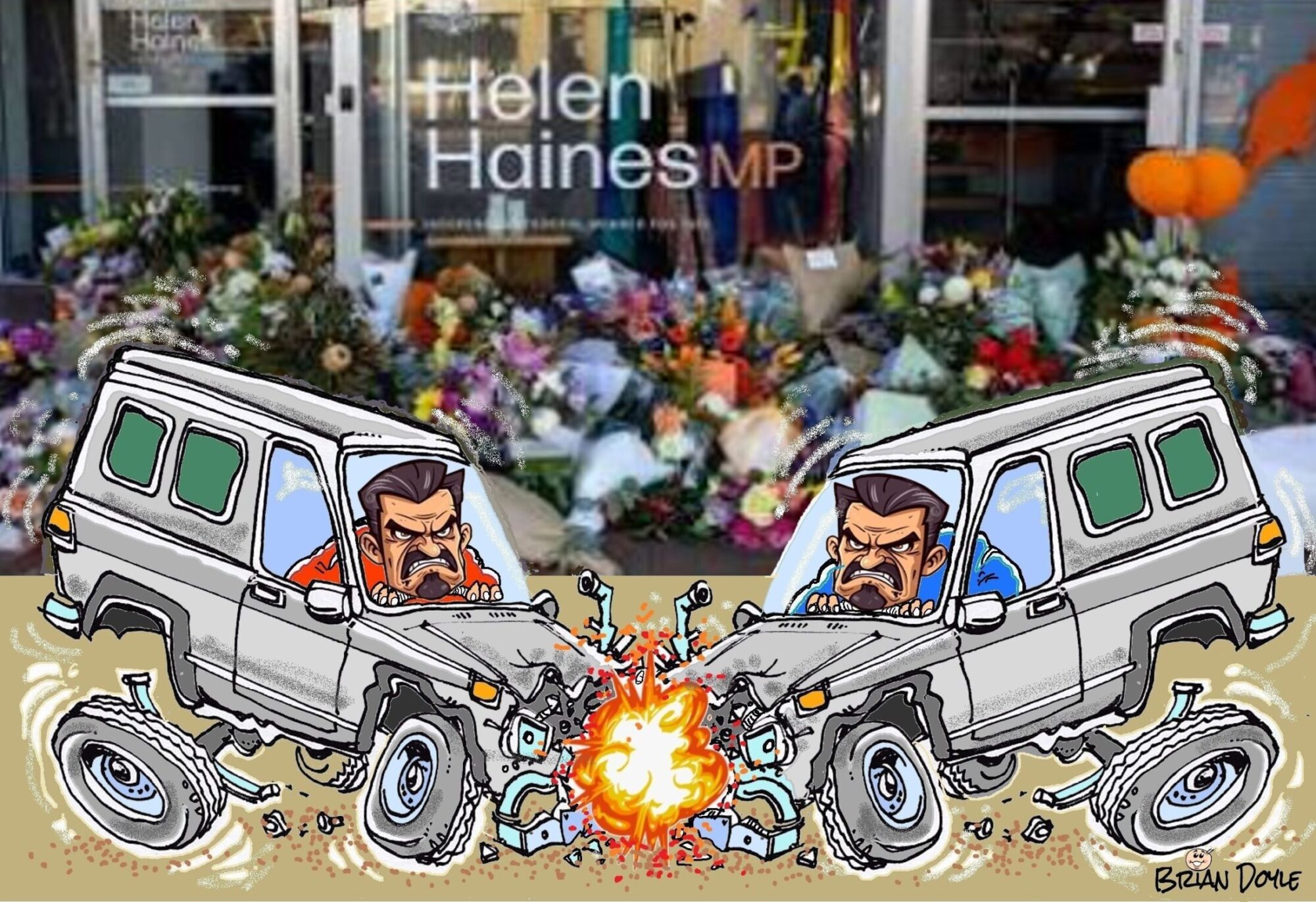
Anthony Albanese calls for civility after the Helen Haines attack, but revelations of a political dirt file raise uncomfortable questions about his government’s own conduct.
23 October 2026
3.1 MINS
As Western societies grow more hostile, could abandoning Christianity’s moral foundations be contributing to the rise of ideological extremism, political intolerance and violence?
23 October 2026
5.1 MINS
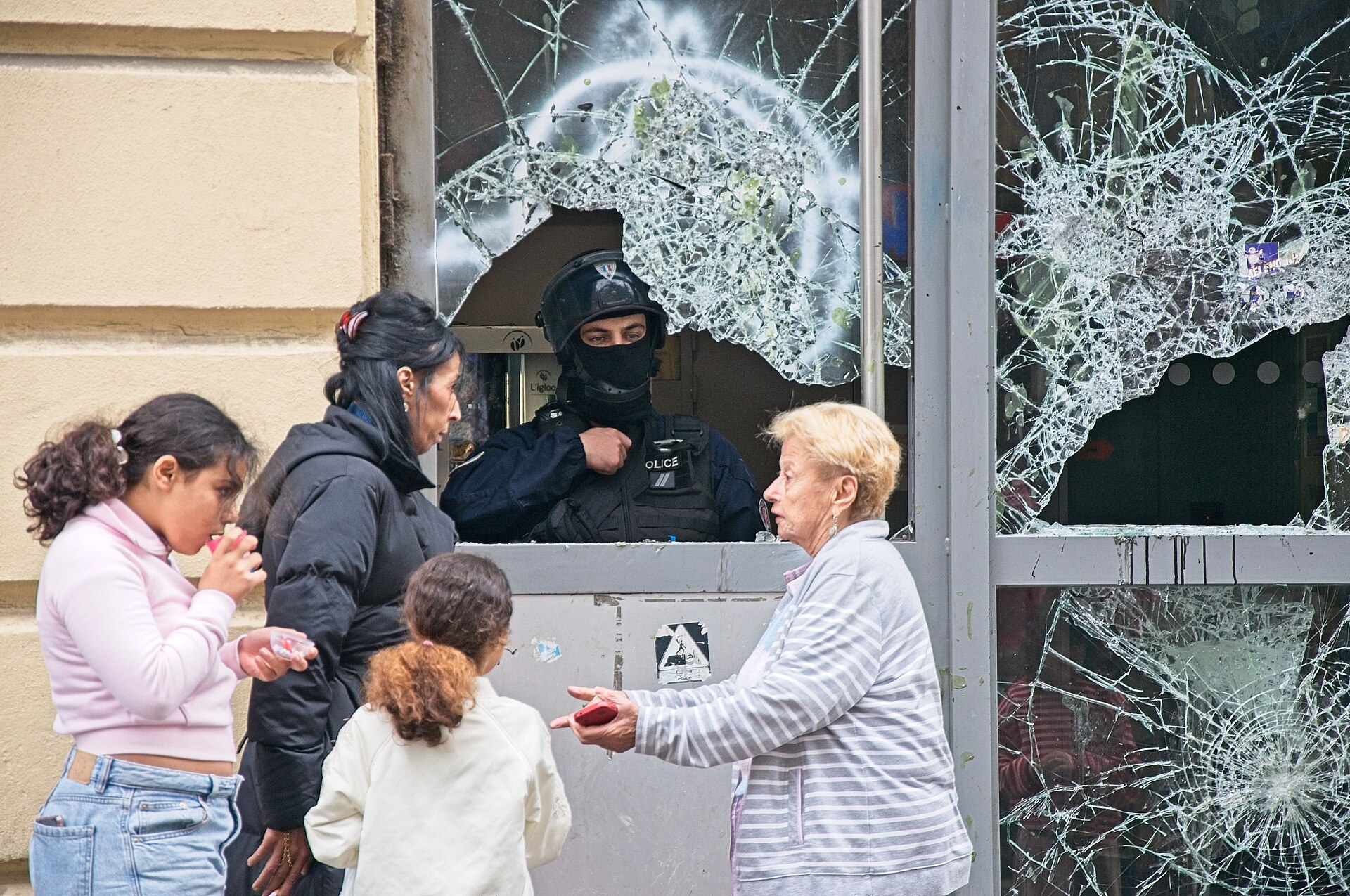
France’s escalating riots expose the dangers of political extremism, antisemitism and radical alliances, offering America a stark warning about the future of Western democracy.


