



The End of History As We Know It
Has Western civilisation reached its nadir in its politico-economic development? Have we reached the end of “history”?
No thesis has been more pooh-poohed than Francis Fukuyama’s (routinely misunderstood) End of History thesis.
Jonah Goldberg, in thinking about the “miracle” that is capitalism, makes a rare (and refreshing) defence of this thesis:
“We cannot improve upon the core assumptions of the Miracle. Every other kind of economics — if there even is any other kind of economics — concerns itself not with creating wealth but with how to distribute it. That is not economics; that is politics.”
Economic Conundrum
The question posed by Fukuyama and Goldberg is not whether capitalism and some form of liberalism (Suicide of the West is about the fate of what Goldberg terms “liberal capitalist democracy“) will remain the permanent state of human affairs, at least in the West, something that is a very open question at this stage.
No, the real question they pose — one worth contemplating seriously — is whether a better economic system than capitalism and a better political system than liberalism is even possible. If not, then we are indeed at the end of economic and political history in the sense of the discovery of optimal organisational modes.
If we did arrive at the end of history back in the ’90s, then all alternative proposals to capitalism and liberalism, whether old or new, represent degradation.
Ideals
I think it is fair to say that we are at a utopian moment in history. We may look back (if not us, then perhaps our grandchildren and their children) and realise that we had indeed arrived at the end of history and for whatever reason decided that we did not like it, and thus started fantasising about more ideal forms of political and economic organisation that have not been tried yet, or pining after older modes that are now viewed through romantic eyes.
Whether we will succumb to delusion and try to implement some utopian vision, which this time around will work where all others have failed, pinky-swear, remains to be seen.
If we decide to ditch capitalism and/or liberalism, then there may be no returning to the end of history again. So be careful what you wish for, kids.
___
Originally published on Dr Jonathan Cole’s page.
Subscribe to his podcast, The Political Animals, for more insights.
Photo by David McBee.
Recent Articles:

7 October 2026
8.5 MINS
Gerald McDermott’s work challenges Christians to approach Israel through Scripture first, exploring God’s covenant faithfulness, Christian Zionism, Jewish identity and antisemitism.
24 September 2026
3.4 MINS
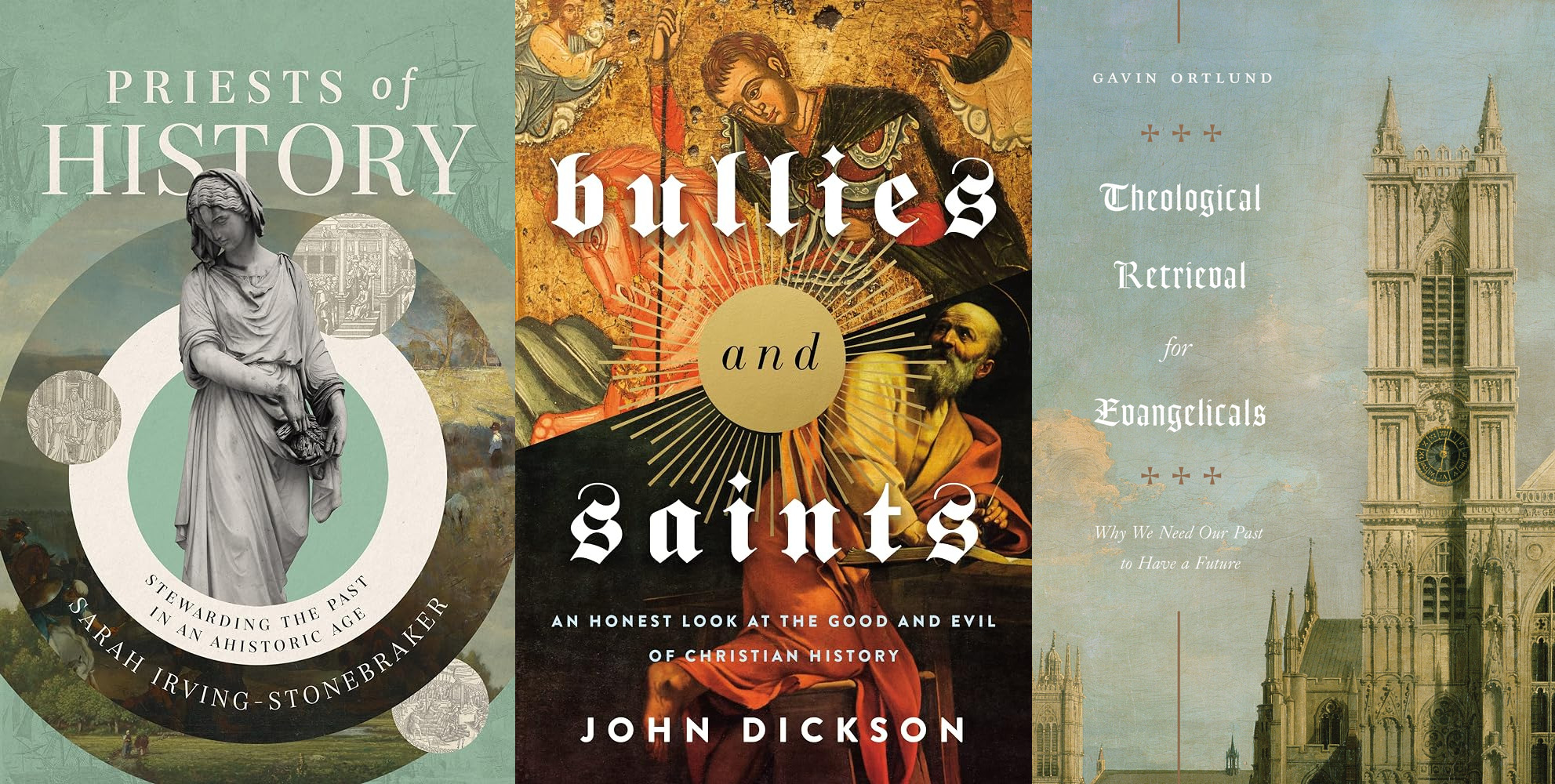
Rediscover the rich story of Christianity with two accessible histories that help evangelicals recover their heritage, confront the Church’s failures, and deepen their understanding of the faith.

15 September 2026
3.2 MINS
Many Christians avoid J. K. Rowling's Harry Potter series due to a perceived conflict between its themes and Biblical Christianity. Yet according to the author of a recent biography of J. K. Rowling, there is much more to the picture.
2 September 2026
3.8 MINS
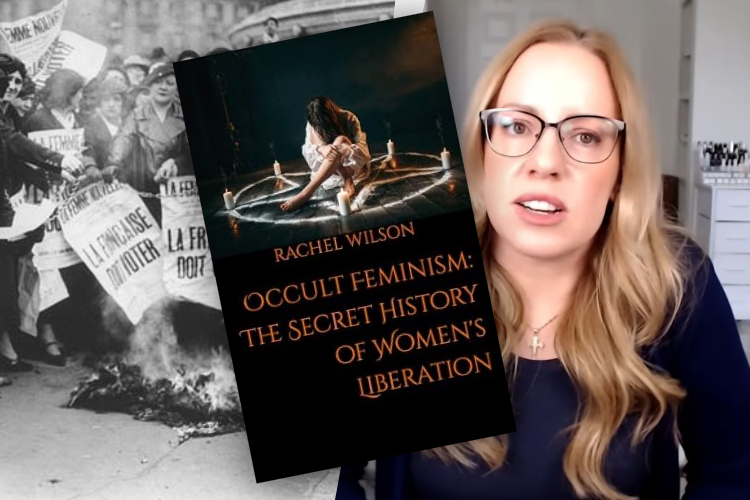
Rachel Wilson’s "Occult Feminism" has sparked fierce debate over feminism’s historical roots, Christianity’s role, and the ideological forces shaping modern womanhood.

17 August 2026
5.6 MINS
David Maywald's new book, "100 of the Best Books for Men", is a curated guide honouring authors and thinkers who illuminate manhood, character, and purpose.

21 July 2026
4.2 MINS
Dennis Prager has spent fifty years warning that the rejection of God leads to the death of civilisations. His new book, If There Is No God, proves prescient: as Europe crumbles and the secular West fragments, Prager offers what the culture refuses to provide — rational, biblical arguments for why morality cannot exist without the God of the Bible.
2 July 2026
6.2 MINS
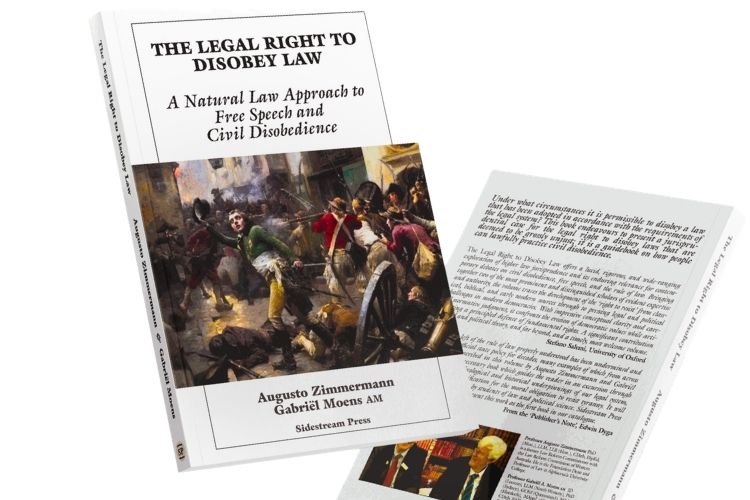
Can a Christian — or any citizen — lawfully defy their government? In their new book, "The Legal Right to Disobey Law", two Australian law professors say not only is the answer yes, but that the right to resist tyranny is one of the most deeply rooted principles in Western legal and moral tradition.


