



Erin Brockovich on the Train Derailment in East Palestine, Ohio, USA
Lessons from the train derailment and environmental catastrophe in East Palestine, Ohio, USA. An overheated wheel bearing on a railcar was the likely cause of the train derailment in eastern Ohio on 3 February, according to a preliminary report Thursday, 23 February, from the National Transportation Safety Board.
I have been listening to a wide variety of reports about this tragic accident that occurred right in the heart of a small community, 4,700 residents, that some people describe as a village. I have been struggling to understand the unfolding story for over three weeks, but watching this video of an interview with Erin Brockovich, a legal clerk-turned-whistleblower and environmental activist, has been a breath of fresh air in this polluted community, with lessons for us all.
The locals instinctively know something is wrong.
I could feel the tension between the locals’ experience on the one hand and the official pronouncements and strategies for responding to the tragedy on the other. A palpable disconnect. The locals wanted to trust the government and the rail company, but they knew something was wrong. Isn’t this a lesson to have confidence in our own instincts and to be personally responsible, not reliant on external bureaucracies and institutions?
They, the locals, are bonding together.
I am thrilled that in this time of tragedy, it’s not everyone for themselves. Instead, the people of East Palestine are gaining strength and courage by bonding together in their local community, not isolating themselves and trying to puzzle things out on their own.
This is a teaching moment.
It has become evident that profits have trumped people and the people are suffering. This tragedy can be an opportunity to turn the narrative from greed to compassion. The focus on profits has ignored the future and the needs of future generations — it has been so evidently short-termism. Perhaps this tragedy can teach us how we should change our antiquated corporate models that have not served us well.
We can handle the truth; we can’t handle being misled or lied to.
There has been an unsaid assumption that the people can’t understand, this is too complex for them, so let’s dumb down the message. It seems to me that this tragedy highlights that this philosophy does not work — the people must be given credit for being able to handle their own destiny. Erin clearly suggested that each one in the community needs to be monitoring their own environment, their own health, and measuring their own water quality and not be reliant on the ‘experts’.
We need to become our own critical thinkers.
This is brilliant! Yes, we do, all of us! We all need to trust ourselves more. We need to ask more questions and encourage others around us to ask more questions. We need to get involved, attend public meetings, write to our government representatives. Leaving it up to the so-called experts who have no vested interest in the local is so dangerous.
East Palestine can teach us that the problem is not simply how to clean up the toxic pollution from a train derailment, but how we can push back against corporate greed and complacency that has so little regard for human life; and plant and animal life for that matter.
___
Photo by SenuScape.
Recent Articles:
26 October 2026
2.5 MINS
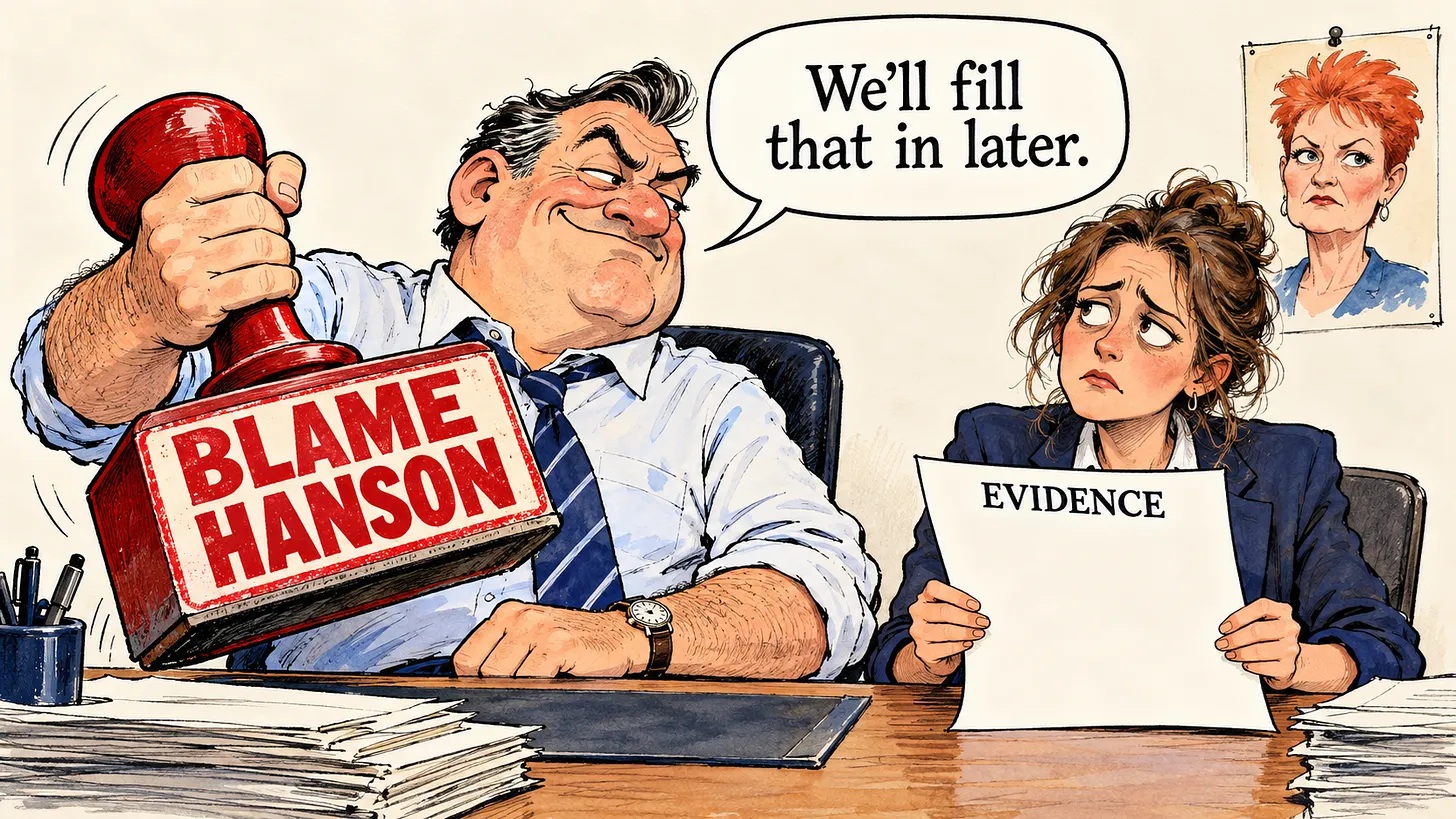
Nation First exposes the rush to weaponise the Haines attack against Pauline Hanson, conservative voices and men before investigators established a motive.
26 October 2026
5.1 MINS
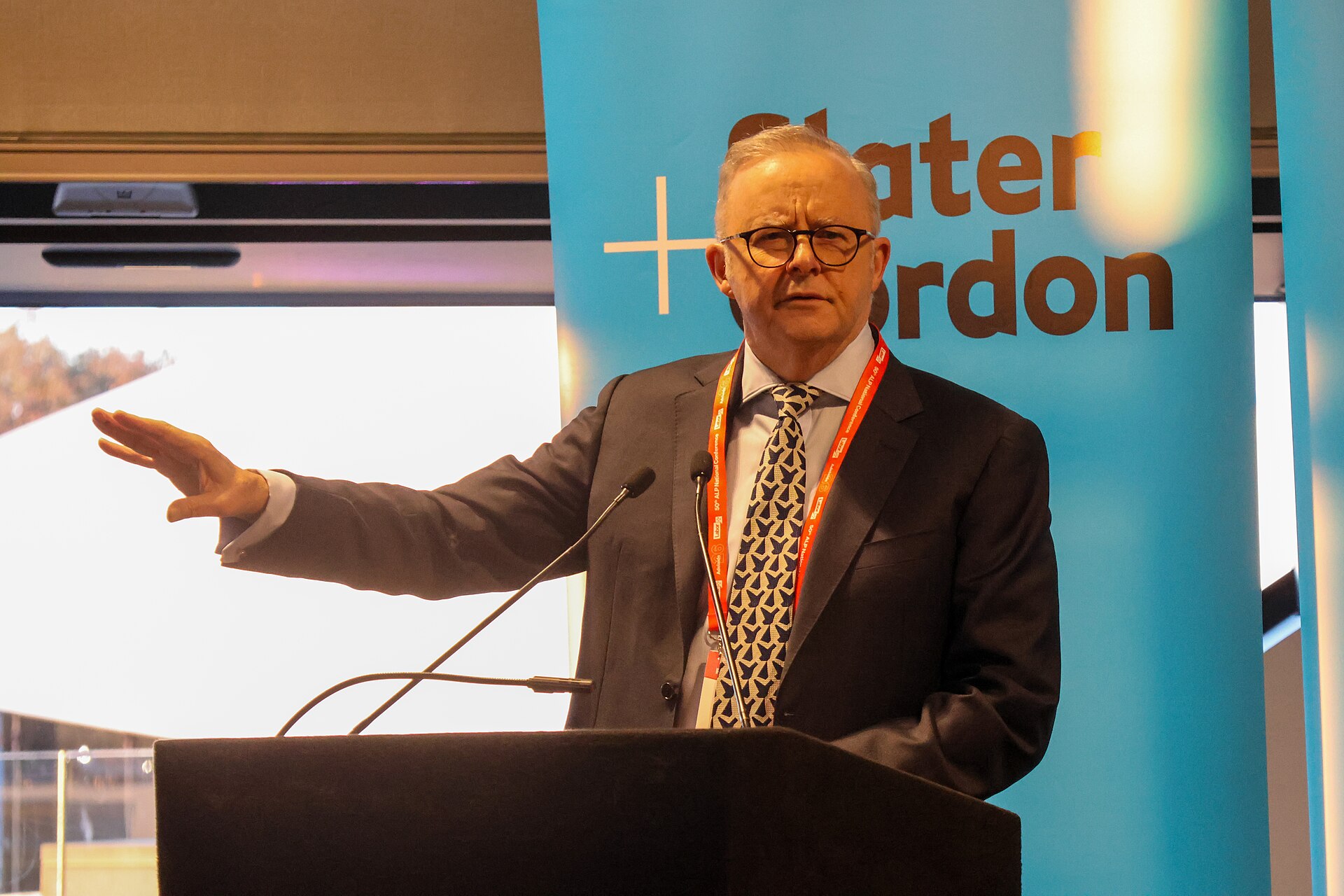
Anthony Albanese calls for civility after the Helen Haines attack, but revelations of a political dirt file raise uncomfortable questions about his government’s own conduct.

23 October 2026
13.1 MINS
Tasmania’s proposed conversion practices legislation raises serious questions about religious freedom, pastoral care and whether Christians can freely pray with those seeking to live according to their faith.
23 October 2026
3.1 MINS
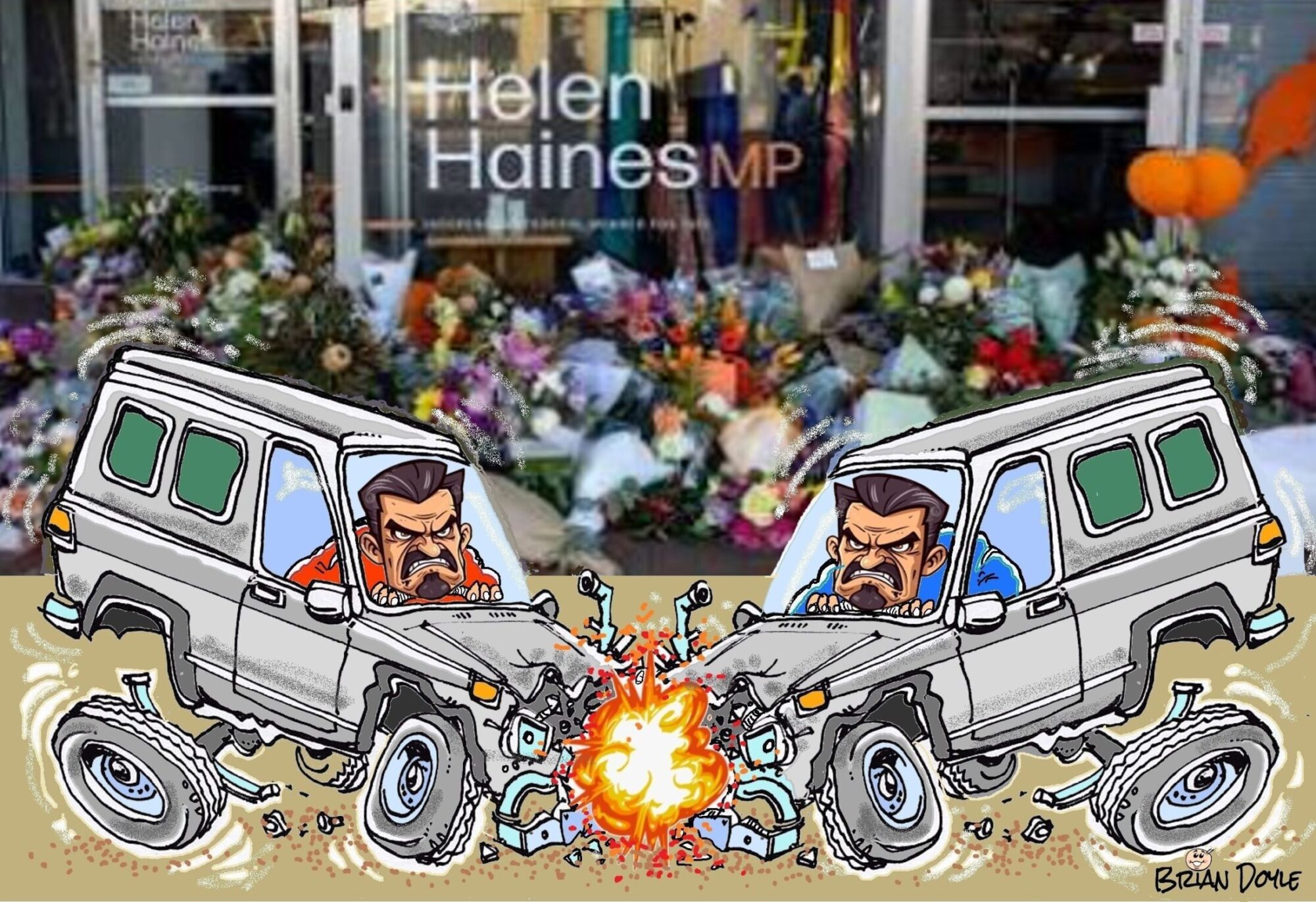
As Western societies grow more hostile, could abandoning Christianity’s moral foundations be contributing to the rise of ideological extremism, political intolerance and violence?

23 October 2026
5.1 MINS
France’s escalating riots expose the dangers of political extremism, antisemitism and radical alliances, offering America a stark warning about the future of Western democracy.

22 October 2026
4.7 MINS
Western Australia’s proposed anti-discrimination overhaul has sparked warnings from Christian leaders that religious freedom, parental choice and faith-based schools’ ability to uphold their beliefs are at risk.

22 October 2026
2.9 MINS
An Israeli political candidate claiming a remarkable biblical identity has sparked questions about false messiahs, the Antichrist and how Christians should interpret prophecy.


