


Religious Freedom in Australia: Addressing Threats and Embracing Opportunities
Religious freedom, a fundamental human right, encompasses the belief in and worship of a higher power without constraint or inhibition.
While countries like the United States and Canada have explicit protections for religious freedom, Australia’s approach has been more nuanced, primarily relying on constitutional provisions and exemptions from anti-discrimination laws. However, in light of growing attacks on religious individuals and organisations, there is a pressing need to re-evaluate Australia’s stance and strengthen protections for religious freedom.
This article explores the current state of religious freedom in Australia, examines the shortcomings of the existing approach, and highlights potential solutions to ensure robust religious freedoms for all Australians.
The Australian Context
Australia’s Constitution, specifically Section 116, prevents the federal parliament from establishing a state religion, imposing religious observances, or prohibiting the free exercise of any religion.
While this provision safeguards against overt state interference, it falls short of explicitly protecting religious freedom for individuals and organisations.
Furthermore, Australia has endorsed international covenants such as the Universal Declaration of Human Rights (UDHR) and the International Covenant on Civil and Political Rights (ICCPR), which emphasise the right to freedom of thought, conscience, and religion.
Challenges and Opportunities
Australia’s current approach, centred around exemptions from anti-discrimination acts, raises concerns.
The exemptions model implies that religious belief is merely something to be tolerated rather than respected and protected. Consequently, there has been a rise in attacks on religious individuals and organisations, with attempts to silence their expression of sincerely held beliefs. To address these challenges, several measures can be implemented.
- Religious Discrimination Bill: Introducing comprehensive legislation to protect individuals and religion-based organisations from discrimination based on their religious beliefs or activities. This bill should move beyond mere exemptions and provide proactive safeguards.
- Religious Freedom Act: Establishing a Religious Freedom Act based on the principles of Article 18 of the UDHR and the ICCPR. Such an act would enshrine the right to freedom of speech, thought, conscience, and religion, protecting individuals’ ability to manifest their beliefs in worship, observance, practice, and teaching.
- Charities Protection: Preventing the denial of charity status based on religious views, particularly regarding contentious issues such as same-sex marriage. Ensuring that religious organisations can engage in charitable activities without discrimination.
- Parental Rights: Upholding the rights of parents to have input into and withdraw their children from classes that contradict their religious and moral convictions. This recognises the importance of family values and ensures respect for parents’ role in their children’s education.
- Overriding Insult or Offend Laws: Revisiting and amending laws that restrict free expression, particularly cases where religious leaders face legal action for expressing religious views. Striking a balance between protecting individuals from hate speech and preserving the right to
articulate sincerely held beliefs. - Autonomy of Religious Institutions: Protecting the ability of religious schools and institutions to employ staff, teach, and manage their affairs in a manner consistent with their religious values. Preserving the autonomy of religious institutions is crucial for the continuity and preservation of religious traditions.
- Equal Status for Religious Freedom: Amending anti-discrimination legislation to recognise the equal status of religious freedom alongside other fundamental rights. This ensures that religious freedom is not overshadowed or undermined by conflicting priorities.
Conclusion
While the issues surrounding religious freedom are complex, Australia must strive to establish a more robust framework that protects the rights of all individuals to freely practice their religion.
Building upon the existing constitutional provisions, the introduction of a Religious Discrimination Bill and a Religious Freedom Act can provide much-needed clarity and protection for religious freedom in Australia.
It is vital to recognise that religious freedom should extend to all religions, ensuring inclusivity and respect for diverse faiths within Australian society.
By embracing these measures, Australia can foster a society that upholds religious freedom while maintaining harmony and respect among its citizens.
___
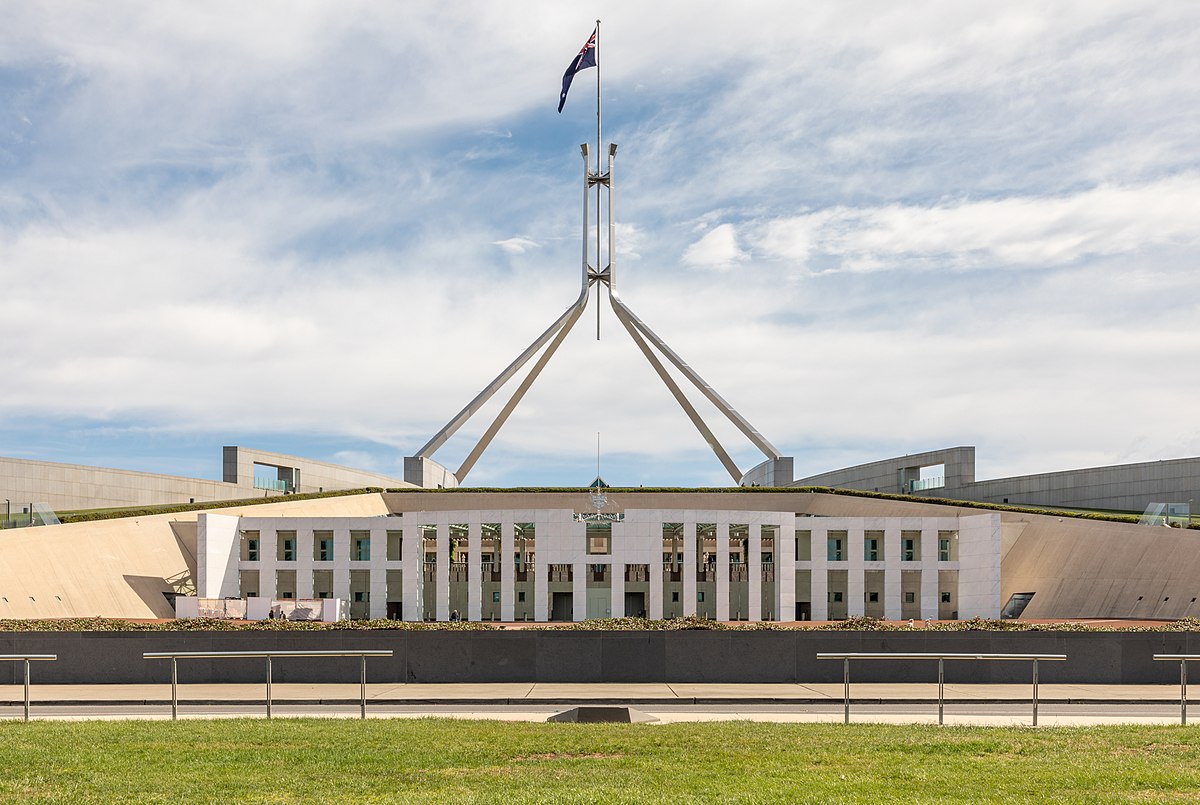
Photo: Dietmar Rabich/Wikimedia Commons
Recent Articles:

25 October 2026
4 MINS
Prayer is active partnership with God, and he is awakening his body to prayer, not by might or by power, but by his Spirit.

24 October 2026
3.3 MINS
When we ask God, "What is in my hand?", and see our possessions, money and time as seed that God asks us to sow, life becomes simpler.

23 October 2026
6.8 MINS
Hillsong UNITED’s Joel Houston reflects on fame, faith and the burden of ministry, questioning performative Christianity as he seeks a more authentic walk with God.
23 October 2026
13.1 MINS
Tasmania’s proposed conversion practices legislation raises serious questions about religious freedom, pastoral care and whether Christians can freely pray with those seeking to live according to their faith.

23 October 2026
7.7 MINS
Melbourne Catholic Archbishop Peter Comensoli has spoken out clearly against the deadly promises by both major parties in Victoria ahead of the election, drawing a comparison between abortion and capital punishment.

23 October 2026
3.1 MINS
As Western societies grow more hostile, could abandoning Christianity’s moral foundations be contributing to the rise of ideological extremism, political intolerance and violence?

23 October 2026
5.1 MINS
France’s escalating riots expose the dangers of political extremism, antisemitism and radical alliances, offering America a stark warning about the future of Western democracy.


