



Hippocratic Oath Crumbles as Doctors Play Deities
With the God of the Bible having largely disappeared from public consciousness in Great Britain, the closest thing to a replacement deity is the British National Health Service.
Created after World War II, the NHS was the object of intense affection for decades and, as recently as this year, 72 per cent of Britons polled said that the NHS was “crucial” to their society.
This obsessive and often mawkish devotion to a false god has made a wholesale reform of the NHS — or, better, its replacement — virtually impossible. And the NHS is desperately in need of reform or replacement.
How desperately? A July 13 article in the New England Journal of Medicine told the sorry tale:
“For much of December 2022 and January 2023, media reports featured ambulances lined up outside hospitals, unable to hand over their patients; patients lying at home with fractured hips, unattended by ambulances; emergency department waiting times exceeding 12 hours; and hospital corridors crowded with patients unable to be admitted.
“The Royal College of Emergency Medicine estimated in December that 300 to 500 people were dying each week because of these delays. Ambulance workers and nurses held their first strikes in 40 years over pay and conditions.
“In mid-March, mid-April, and mid-June, junior doctors held 3-4 day strikes — and senior doctors have scheduled similar action. Hundreds of thousands of operations and appointments have been cancelled.
“In the background of this acute crisis, waiting lists for specialist consultation have been growing and now exceed 7 million patients (in a country of 66 million people)….”
And as if that gross dysfunction were not enough, being the object of misplaced worship by the British public seems to have convinced NHS doctors that they are, in fact, God.
Left to Die
Indi Gregory was born on February 24 but soon experienced difficulties breathing; she then began to suffer prolonged seizures. The baby was born with a hole in her heart and required surgeries to drain fluid from her bowel and her skull.
Two months later, a genetic test determined that the child suffered from a rare and degenerative mitochondrial disease and she was given a breathing tube. Her parents stated that their daughter responded to them even under these severe conditions, and “on her good days, she is babbling, making noises, moving all her limbs.”
Nonetheless, when Indi was six months old, her doctors decided that they should withhold further “invasive” treatment. When Indi’s parents disagreed, the hospital went to the courts, where the doctors later changed their request and asked to be permitted to remove critical care, saying that it would be kinder to let her die.
The parents continued their legal battle; Rome’s Bambino Gesù Pediatric Hospital offered to accept Indi as a patient, while the Italian government gave her Italian citizenship and said it would cover all costs; but the judge decided that a move to Rome was not in the baby’s best interest.
The parents then asked that Indi be allowed to die at home, but, presumably on doctors’ advice, the judge wouldn’t hear of that either. So, on 13 November, Indi died in a hospice in her mother’s arms, after life-support was withdrawn.
Indi had been baptised on 22 September and, through this tragic story, Christian faith entered her family. For that, we may be grateful. But not for the overbearing doctors nor for the courts who took the physicians’ side rather than the parents’.
There are doubtless circumstances when overwrought and distraught parents cannot face the reality of a terminal medical situation, but this does not seem to have been one of them. Great Britain has not (yet) embraced euthanasia or physician-assisted suicide.
But its National Health Service personnel seem to believe that some of their patients have a duty to die, and if their relatives won’t cooperate, then the docs and the law will take control of the situation and see that the duty to die is fulfilled. Thus does the godlike status of the NHS express itself through its medical personnel.
I am the odd man out in a family of doctors: my maternal grandfather was a doctor, my mother was a medical technologist, my brother is a doctor, my daughter is a doctor, my late son-in-law was a doctor, and I have a doctor son-in-law today. So please don’t question my esteem for the medical profession.
But when doctors imagine themselves deities who de facto know “what’s best” in these difficult neo-natal cases, the ethics of the ancient Hippocratic Oath seem to crumble, as the godlike medicos assert an authority that properly belongs to parents—and do so in the name of a pseudo-divine compassion.
___
Originally published in The Catholic Weekly.
Recent Articles:

16 October 2026
4 MINS
A desperate Victorian Labor Party is peddling taxpayer-funded abortions as free “healthcare”. In a shameless attempt to stay in power, they're willing to do anything — including killing the unborn and forcing taxpayers to pay for it.

16 October 2026
4 MINS
Katie Zacharia’s first days as White House Press Secretary have sparked fierce media criticism, but her remarkable testimony of surviving an abortion attempt tells a deeper story.

16 October 2026
3.4 MINS
Australia’s proposed digital duty of care laws promise greater online safety and increased user control by switching off algorithms, but critics warn they could give ministers sweeping powers to restrict lawful content and threaten free speech.
16 October 2026
5.2 MINS
Christa Pike’s botched execution has sparked outrage across America, but critics argue that the same concern for human dignity is denied to abortion survivors.
14 October 2026
6.7 MINS
A national poll challenges claims that pro-life Australians are extremists, revealing broad support for abortion restrictions, protections for unborn babies and safeguards for vulnerable women.
14 October 2026
5.5 MINS
As Christianity fades from public life, Marxism or Communism offers a substitute faith built on oppression, liberation and political salvation — but at what cost?
14 October 2026
5.3 MINS
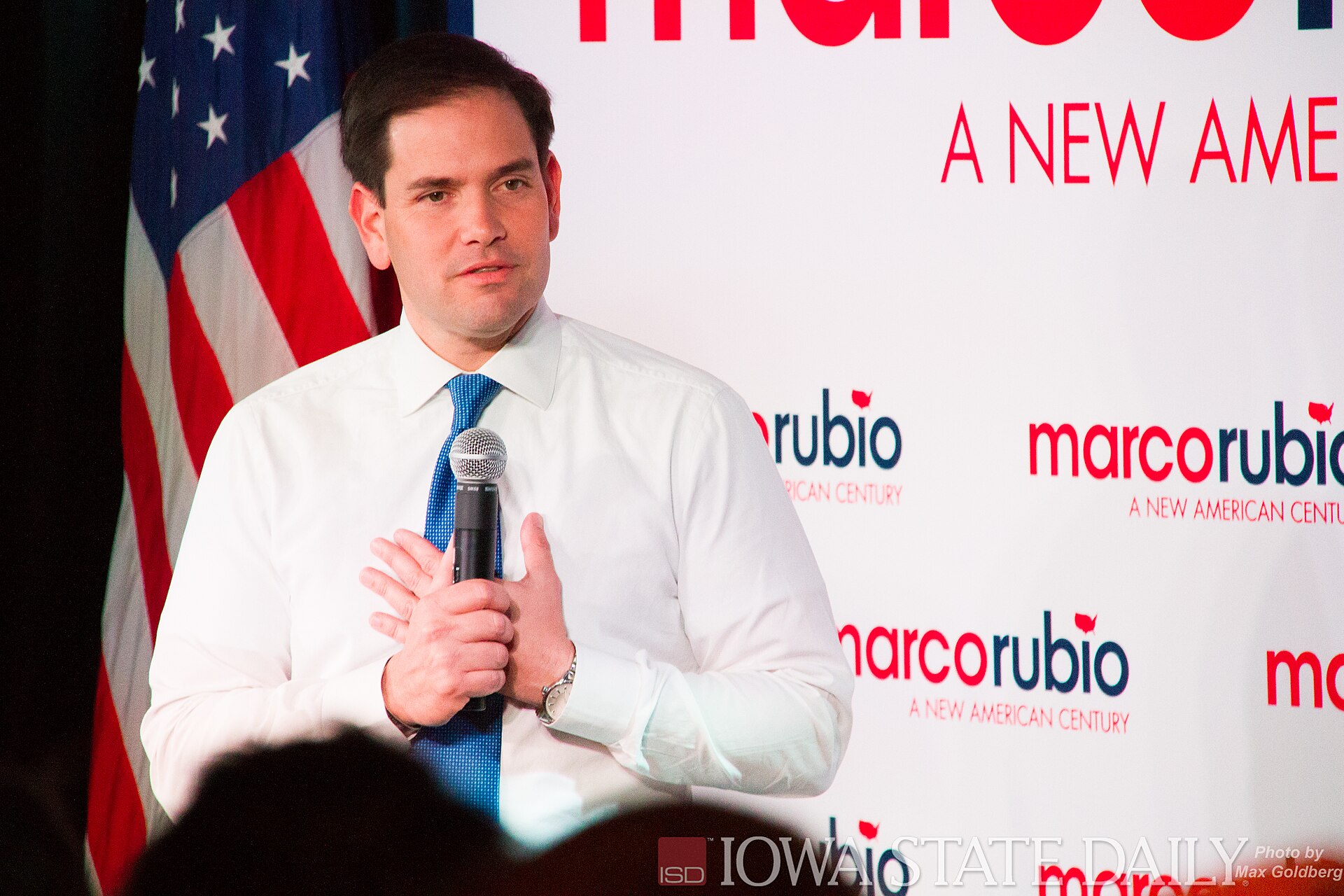
Marco Rubio’s Athens speech celebrates the Greek, Roman and Christian foundations of Western civilisation, warning that cultural self-loathing and radical ideologies threaten its future.


