


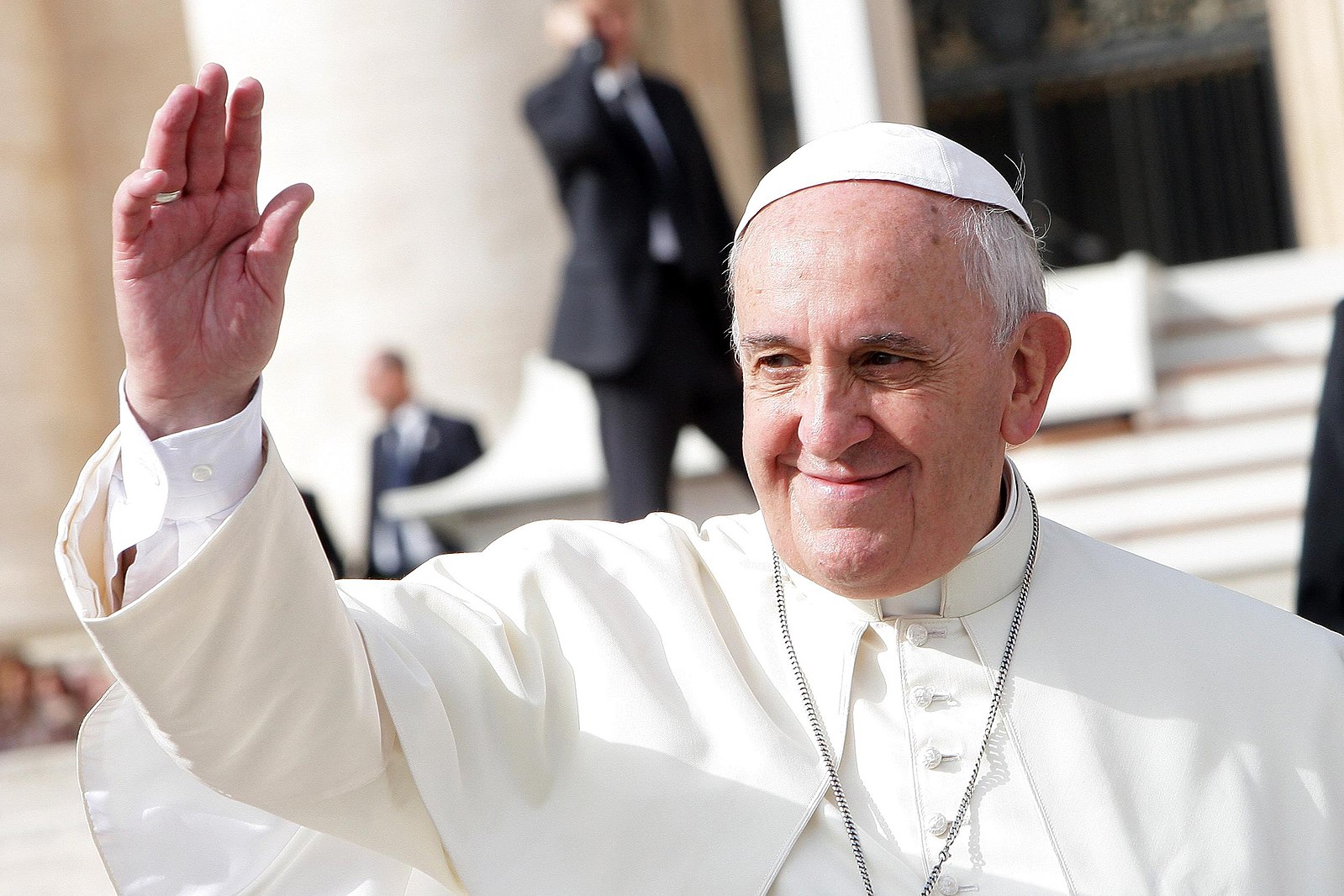
The Pope Declares Gender Fluidity, Surrogacy, Euthanasia Threaten Human Dignity
On the 75th Anniversary of the 1948 Universal Declaration of Human Rights, the Pontiff of the Catholic Church, Pope Francis, has published a major document entitled “Dignitas Infinita” or “Infinite Dignity”.
“The five-year course of the text’s preparation helps us to understand that the document before us reflects the gravity and centrality of the theme of dignity in Christian thought. The text required a considerable process of maturation to arrive at the final version that we have published today.”
It was produced by Cardinal Victor Manuel Fernandez, a liberal theologian, whom the Pope appointed to the Vatican’s doctrinal office last year.
The paper, approved by the Pope, declares,
“In the light of Revelation, the Church resolutely reiterates and confirms the ontological dignity of the human person, created in the image and likeness of God and redeemed in Jesus Christ.”
Paragraph 15 defines human dignity:
“To clarify the concept of dignity even further, it is essential to point out that dignity is not something granted to the person by others based on their gifts or qualities, such that it could be withdrawn. Were it so bestowed, it would be given in a conditional and alienable way, and then the very meaning of dignity (however worthy of great respect) would remain exposed to the risk of being abolished.
Instead, dignity is intrinsic to the person: it is not conferred subsequently (a posteriori), it is prior to any recognition, and it cannot be lost. All human beings possess this same intrinsic dignity, regardless of whether or not they can express it in a suitable manner.”
Various social issues are identified, including poverty, war, trials of migration, human trafficking, sexual abuse, violence against women, abortion, surrogacy, euthanasia and assisted suicide, marginalisation of people with disabilities, gender theory, sex change and digital violence.
Idolatry
While affirming previous doctrines such as the anathemas against abortion and euthanasia, this paper adds consideration of more recent social challenges.
For instance, in the context of gender fluidity, denial of human dignity “amounts to a concession to the age-old temptation to make oneself God, entering into competition with the true God of love revealed to us in the Gospel.”
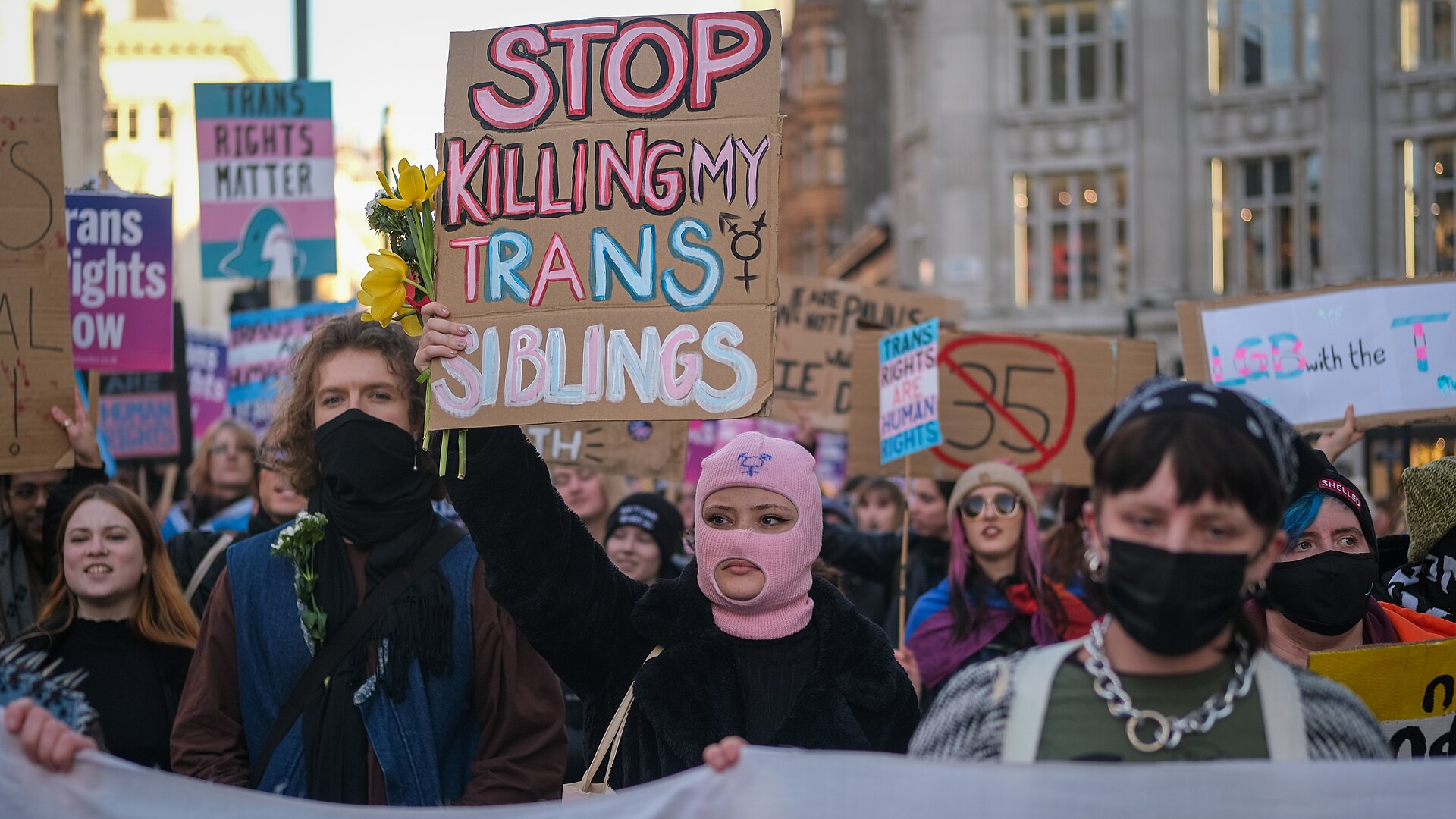
The official doctrine opposes sex changes, surrogacy, gender ideology and euthanasia as violations of human dignity.
It reiterates opposition to gender reassignment surgery by equating sex-change intervention as a threat to the unique dignity the person has received from the moment of conception.
Commodification
Concerning surrogacy, the paper suggests it is a violation of the dignity of the woman and the child.
“A child is always a gift and never the basis of a commercial contract. Every human life, beginning with that of the unborn child in the mother’s womb, cannot be suppressed, nor become the object of commodity.”
The paper contends: “Through surrogacy, the immensely worthy child becomes a mere object.”
In addressing the increasing practice of euthanasia, it claims:
“There is a special case of human dignity violation that is quieter but is swiftly gaining ground. It is unique in how it utilises a mistaken understanding of human dignity to turn the concept of dignity against life itself.”
The concluding paragraph states:
“Even today, in the face of so many violations of human dignity that seriously threaten the future of the human family, the Church encourages the promotion of the dignity of every human person, regardless of their physical, mental, cultural, social, and religious characteristics.
The Church does this with hope, confident of the power that flows from the Risen Christ, who has fully revealed the integral dignity of every man and woman. This certainty becomes an appeal in Pope Francis’ words directed to each of us: “I appeal to everyone throughout the world not to forget this dignity which is ours. No one has the right to take it from us.”
Overall, this is a timely document that runs counter-cultural to the ideologically driven practices that have become morally acceptable in the West. It will no doubt surprise those who adulate Pope Francis for being a progressive churchman.
___
Photo: Long Thiên/Wikimedia Commons
2 Comments
Leave A Comment
Recent Articles:
19 November 2026
2.7 MINS
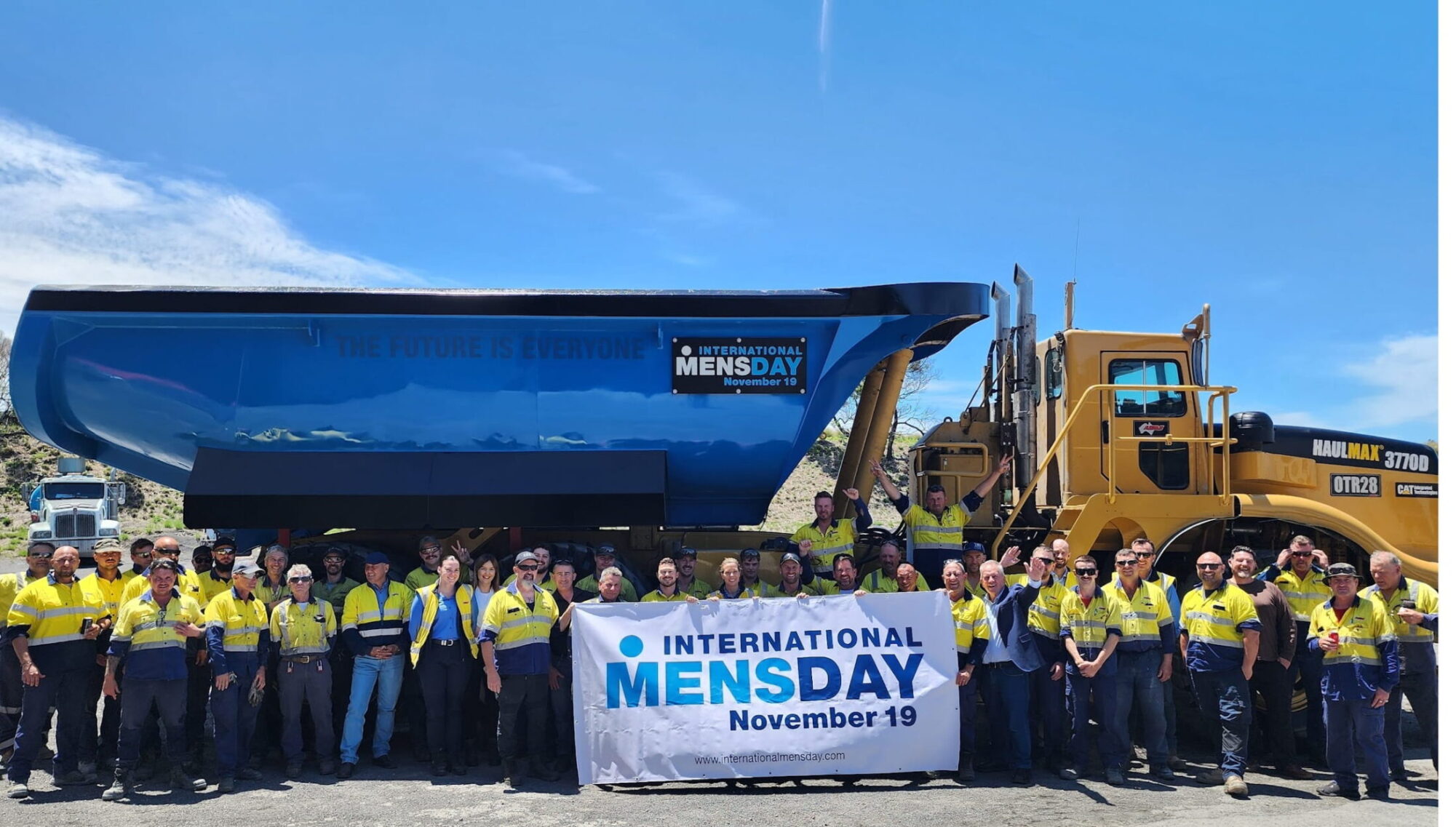
International Men’s Day 2026 celebrates the contribution of men and boys, launches a landmark global report and calls for greater recognition, inclusion and equality.
19 November 2026
5.5 MINS
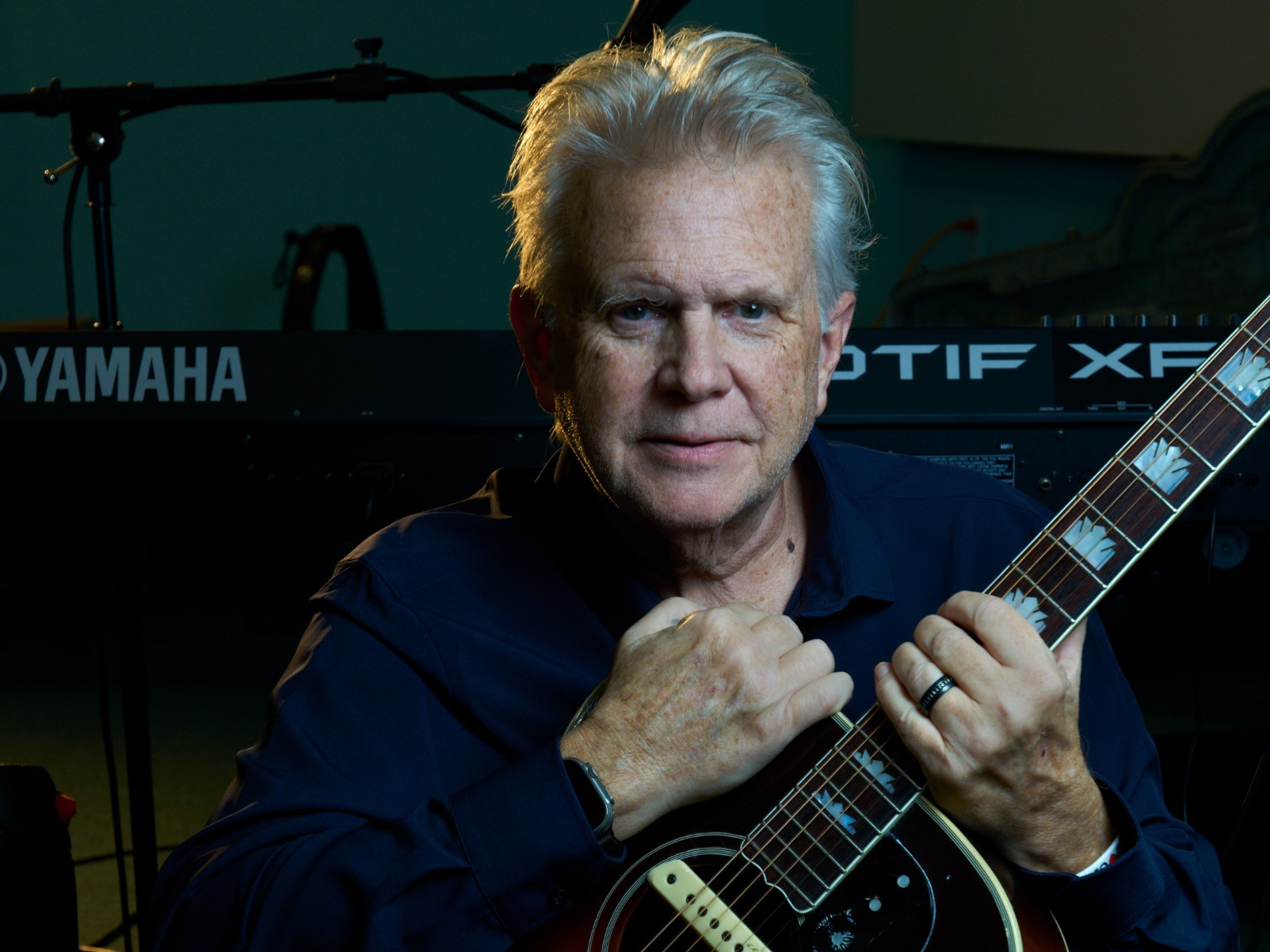
Influential Christian artist Steve Camp, who passed away at age 71, believed that Christian music could become incredibly successful at serving believers while simultaneously losing its power to reach the rest of the world. He explained exactly why in a striking interview back in 1988.

18 November 2026
4 MINS
Halloween and funeral plans may help us confront the practicalities of death, but neither addresses the most important question: where will we spend eternity?

18 November 2026
5.2 MINS
True heavenly joy is not found in earthly pleasures or activities, but in discovering the endless beauty of God’s presence and bringing others into His worship.
18 November 2026
3.4 MINS
A new AI-powered project is putting the entire Bible to music, offering 15 genres and millions of listening possibilities. But can technology capture music’s soul?

18 November 2026
2.9 MINS
Australia’s proposed digital duty of care bill aims to protect children online, but Catholic and Anglican bishops warn its vague provisions could threaten religious freedom and free speech on the internet.
18 November 2026
3.3 MINS
Britain’s proposed conversion therapy laws could criminalise parents, restrict Christian counsel and silence dissent, while a taxpayer-funded helpline’s actual call numbers fall dramatically short of claims.



Great article Teri!!!!! Groundbreaking document!!!!!!!!!!!!!!!!!!
When will the Nutters take the Pope to the Court of Human Rights for repeating the Biblical message ?