



Does the West Still Have a Culture?
Olivier Roy’s new book, The Crisis of Culture: Identity Politics and the Empire of Norms, was published in March.
In it, the French political scientist continues to examine cultural changes in Europe and beyond, just as he did in his provocative and profound 2020 book, Is Europe Christian?
Here, the question is not whether Europe’s culture is Christian, but whether or not the West has a culture at all in a world where social norms have been rapidly cast aside, and a world where identity politics centred around issues like race and gender have risen to the fore.
With so much of modern politics relating to questions of value and identity, this is a timely and engaging book addressing often overlooked questions.
Laying out his case, Roy describes the distinct aspects of culture as a concept: what it is and how it functions.
In an anthropological sense, Roy writes, culture “creates habitus, implicit rules of the games, a sort of self-evidence, a ‘normal’ state.”
When understood in terms of a canon, culture “is a set of products and practices (oral narratives, writings, works — which are then described as artistic — music, even certain forms of ritualised practices) that are selected and taught, in other words, handed down according to rules and procedures, with axiological intent, providing a moral ideal for all…”
The existence of a shared culture is important for creating a sense of stability and normality within any society, yet Roy suggests that a process of deculturation is underway across the world, and he believes that this is impacting dominant cultures as well as more derivative ones.
Pointing to his previous work, Roy emphasises the significance of the “radical departure from Christian culture” which has occurred, most obviously in the hedonistic 1960s when “desire replaced reason as the basis of autonomy and freedom.”
Atomisation
Today’s morally and socially individualistic environment is “narcissistic”, and technological changes have enabled an acceleration of this process.
“Social life is no longer tied to the place where one lives or even the physical reality surrounding the user; the internet knows nothing of strong social bonds, for it offers a disembodied bond that never approaches individuals holistically but considers only that part of them that they choose to engage… People choose only what they want to be, with no social determinism,” he writes.
He goes on to add that the crisis of culture is linked closely to the crisis of ‘desocialisation’, in which social bonds within societies have been weakening, as “individuals are no longer involved in a web of real social relations that structure their various activities: work, leisure, sexuality, meals and so on.”
The rise of what the author (rather lazily) labels as ‘neoliberalism’ has also had an impact in this respect. Roy makes the astute observation that economic changes, such as the decline in industrial employment, have had a particularly significant impact on lower-income segments of society by depriving them of a “social and territorial base” in which working-class cultures could flourish.
Aside from secularisation, mass immigration and the obvious shift in moral values that has occurred, the individualistic focus on identity politics is playing a massive role in this overarching crisis.
Instead of seeking to build a shared community, much of today’s discourse relates to very niche interests where many are “engaged in a race to find small differences”, and where the loudest practitioners of identitarian politics are increasingly championing “censorship and limits on the freedom of expression to better guarantee one’s own freedom to be.”
Roy is not the first author to highlight the importance of culture in allowing a society to function. In 1988, E.D. Hirsch’s Cultural Literacy: What Every American Needs to Know set out a convincing argument that it was essential for people to have a basic body of knowledge in order to fully participate in any society.
Roy’s argument is broader though and the basic problem he is addressing is more serious; this is no longer an issue of insufficient education, but a question of what, if any, substantive ideas, traditions and behaviours should be exalted.
Religious Factor
Religion pervades this short book, unsurprisingly, given the author’s background and expertise.
Also unsurprising is the number of references to Catholicism, including Roy’s assessment of the Church’s response to the sexual revolution and its ongoing challenge to the West’s ‘culture of death’, which even the populist politicians who claim to defend Christian heritage have no intent of challenging.
The Crisis of Culture is short and to some extent insufficient. In assessing the current situation in France and elsewhere for example, Roy is critical of populists for their othering of Islam, without ever addressing the scale of the unease among native populations or the specific reasons behind it.
Too often, he is theoretical rather than practical. Roy sometimes falls into a philosopher’s trap: asking too many questions, making abstract arguments while trying to answer them, and then failing to develop them properly before quickly venturing onto fresh ground.
Despite this, The Crisis of Culture raises pressing questions, including the question of what can serve as a binding force in an environment where liberal universalists tend to be ardently opposed to culture linked to religion and unenthusiastic about promoting a national culture more broadly.
No political faction is absolved of blame for what has occurred. Roy argues that “[c]onservatives are nostalgic for a fake harmony of culture and identity” and that advocates of multiculturalism “have reduced the very idea of culture to a set of markers with no real content.”
While Olivier Roy ultimately has no answer about how to resolve this dilemma in an increasingly diverse and divided West, he offers sage advice in urging readers to avoid the temptation of the bunker, calling for a shared effort to “leave our protected spaces behind and rediscover heterogeneity, difference and debate.”
___
Republished with thanks to Mercator. Image courtesy of Ben Kirby.
One Comment
Leave A Comment
Recent Articles:
26 October 2026
4.5 MINS
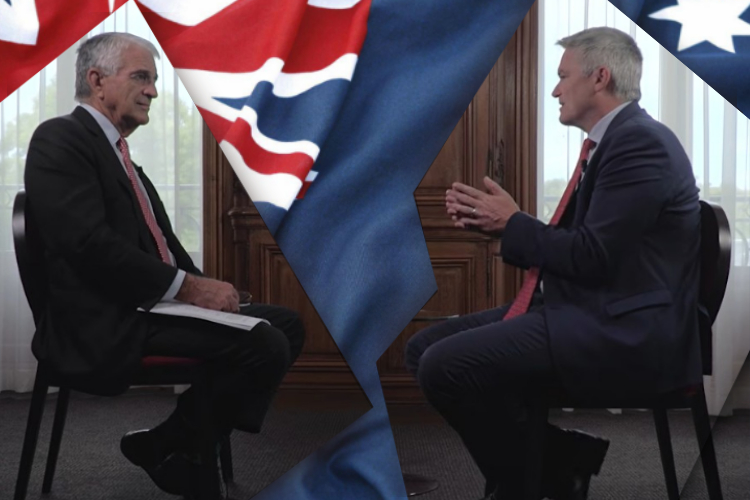
OECD chief Mathias Cormann warns Australia is losing its competitive edge, as excessive regulation, housing pressures, immigration challenges and declining public trust threaten national prosperity.
26 October 2026
2.5 MINS
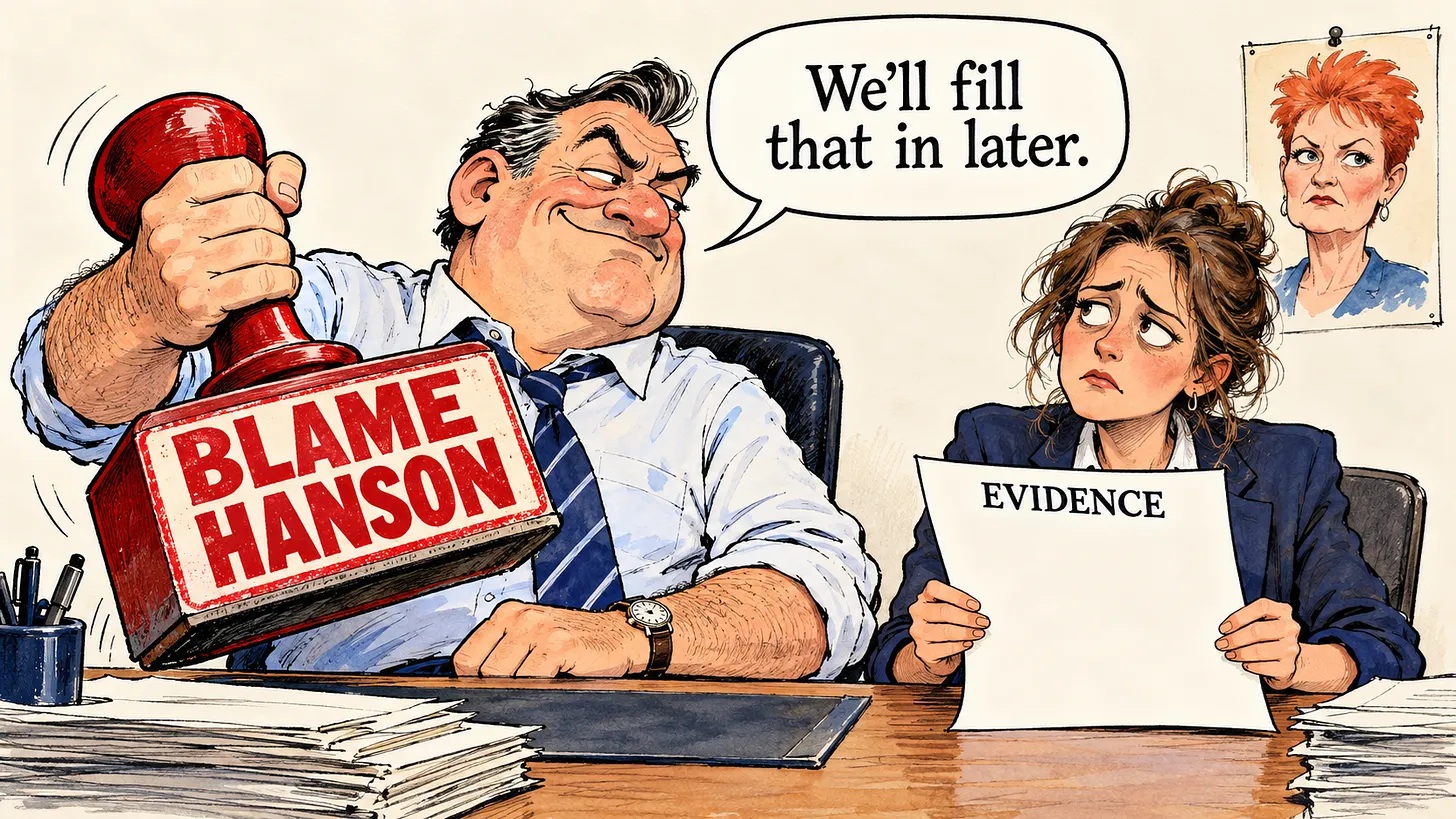
Nation First exposes the rush to weaponise the Haines attack against Pauline Hanson, conservative voices and men before investigators established a motive.
26 October 2026
5.1 MINS
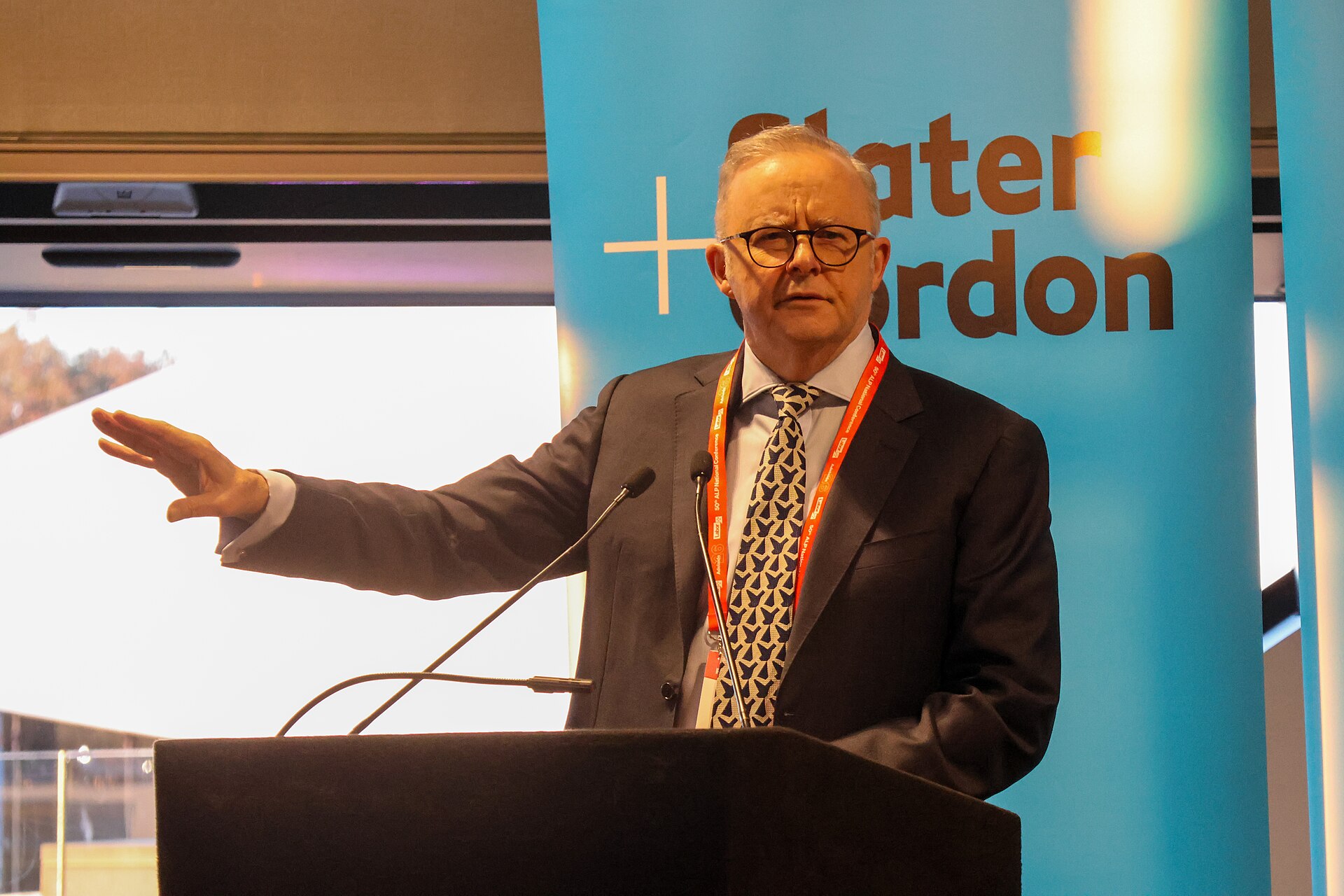
Anthony Albanese calls for civility after the Helen Haines attack, but revelations of a political dirt file raise uncomfortable questions about his government’s own conduct.

26 October 2026
3 MINS
Australia’s national resilience inquiry overlooks a critical weakness: decades of deindustrialisation have left the nation dangerously dependent on imports, unprepared for compounding threats and strategic disruption.
26 October 2026
2.9 MINS
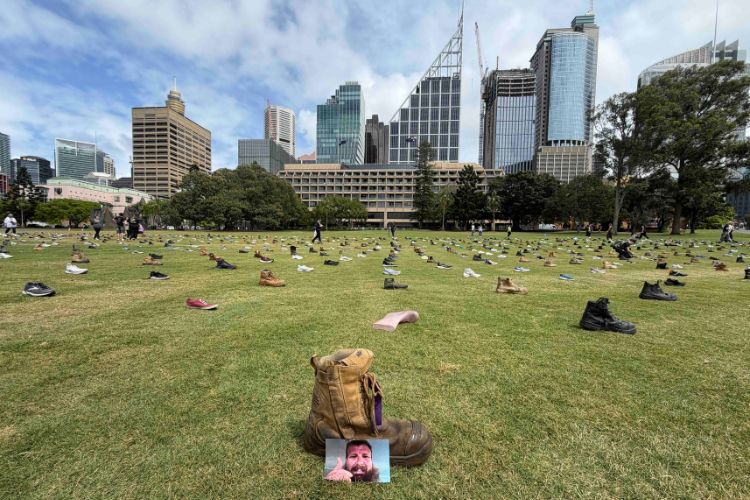
A powerful display of thousands of shoes highlights Australia’s escalating male suicide crisis, while Dads4Kids celebrates fatherhood, family connections and practical action to strengthen generations.
26 October 2026
3.2 MINS
Following Paul's example in Ephesians 1, let us pray for the Father to open the eyes of our hearts so that we may grasp the hope of his calling, the riches of his glorious inheritance in the saints, and the greatness of his power towards us who believe.

25 October 2026
4 MINS
Prayer is active partnership with God, and he is awakening his body to prayer, not by might or by power, but by his Spirit.



In my opinion, the Social and Sexual Revolutions are destroying Australia as we knew her. How is this going to stop ? Our religion is in grave danger, while instead Islam is being promoted.