



Will Trump Use His Tariff Threat to Fight for Free Speech in Australia?
Whispers from the UK suggest Trump might use his tariff threat to fight Australia’s strict online speech regulations.
The Albanese Government was left reeling Monday after US President Donald Trump announced a worldwide 25 per cent tariff on all steel and aluminium imports into the United States.
With Aussie steel making up 1 per cent of America’s steel supply and aluminium closer to 2 per cent, Trump’s tariff threat, if enacted, would undoubtedly hurt the commodity-rich Australian economy.
Following an emergency call with the US President, Prime Minister Anthony Albanese has since announced that Trump is considering an exemption for Australia that would benefit both nations.
“I presented Australia’s case for an exemption, and… the US President agreed that an exemption was under consideration in the interests of both of our countries,” Mr Albanese said in a press conference Tuesday morning.
While the PM remained tight-lipped about the concessions Australia would make in any such trade deal, he did confirm that senior US representatives plan to attend a summit at the Australian embassy in Washington DC on February 24 and 25.
Australia’s Tariff Stand-Off
As speculation mounts over what Albanese is willing to concede in a Trump trade deal, news coming out of the UK suggests that free speech protections for Australians could be on the table. As reported by The Telegraph:
The [UK] Government is willing to rework its Online Safety Act in order to swerve tariffs from Donald Trump’s administration.
The law, which regulates online speech, is thought to be heavily disliked by the president’s administration because it can levy massive fines on US tech companies.
Downing Street is willing to renegotiate elements of the Act in order to strike a trade deal, should it be raised by the US, The Telegraph understands.
The law has been heavily criticised by free speech advocates and economists, who argue its broad provisions to tackle harmful online content could lead to excessive censorship and deter investment from American tech giants.
In particular, the Social Media Minimum Age Act rushed through the Australian Parliament on the last sitting day of 2024 imposes crippling fines of up to $49.5 million on non-compliant US tech companies.
Likewise, Australia’s recently-passed hate speech laws will almost certainly require stricter content moderation practices from social media giants in Silicon Valley — a move that could prompt their withdrawal from the Australian market and thereby hurt the US financially.
Additionally, the increasing belligerence of Australia’s eSafety Commissioner Julie Inman Grant towards US tech interests could be in Trump’s crosshairs. Ms Grant has issued notices and fines to platforms like X, Meta and Google for failing to censor certain content for Australian audiences in stand-offs that have escalated all the way to the Federal Court.
Both Ms Grant and Mr Albanese have been vocal about their personal animus towards X CEO Elon Musk, who has since become a confidant of the US President and one of Trump’s closest allies.
I do not think I’m above the law.
Does the PM think he should have jurisdiction over all of Earth?
— Elon Musk (@elonmusk) April 23, 2024
Freedom From an Unlikely Source
According to The Telegraph, “Congressional Republican sources said Mr Musk was pushing Mr Trump to raise curbs on social media regulation in trade talks with the UK.” The report continued:
One well-placed source suggested that Mr Trump’s friendship with major tech executives would strengthen his stance on free speech policies in other countries.
Another source close to the Trump’s administration suggested the [UK] act was viewed as “Orwellian” in the US and could become a flashpoint in negotiations.
The Albanese Government has good reason to believe Mr Musk will leverage his influence with the US President to push back against Australia’s stringent censorship policies, with a view to secure stronger protections for tech companies and a more libertarian free speech landscape globally.
During a 2023 radio interview, Prime Minister Anthony Albanese joked that if he was made dictator for a day, his first act would be to ban social media. While speaking in jest, Mr Albanese has since made solid strides in that direction.
Now, after enduring years of human rights incursions, it is ironic that Australians may just find relief — not from the politicians representing them in Canberra — but from a pair of former Democrat billionaires whom we are supposed to believe pose an existential “threat to democracy”.
Here’s hoping.
It’s Tariff Diplomacy, and I shouldn’t love it… but I do!
Trump is using tariffs to protect free speech around the world and I’m here for it! pic.twitter.com/NAaMVx3KnS
— Topher Field (@TopherField) February 11, 2025
___
Image courtesy of Unsplash.
5 Comments
Leave A Comment
Recent Articles:

27 October 2026
1.5 MINS
Labor’s Digital Duty of Care Bill threatens free speech, empowers covert online surveillance, and imposes potentially burdensome regulations on Australian businesses.
27 October 2026
10.3 MINS
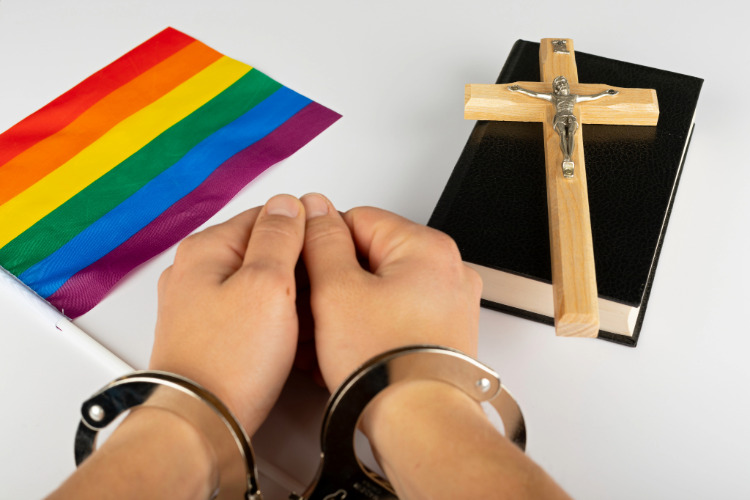
As Tasmania and Western Australia consider conversion therapy bans, a former LGBT+ ministry leader warns of threats to religious freedom, personal choice and Christian discipleship.

27 October 2026
4.9 MINS
Nine Christians have been killed in a terrorist attack on a Jordanian church, prompting fierce condemnation, demands for justice and renewed concerns about religious persecution.

27 October 2026
3.6 MINS
For 25 years, the Mount Moriah Trust has supported struggling Christians across the Holy Land, bringing practical assistance, encouragement and hope to believers facing hardship and persecution.
27 October 2026
1.3 MINS
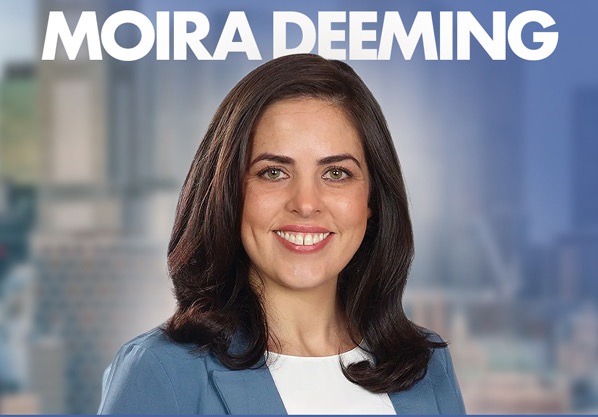
Moira Deeming’s re-election campaign has energised Family First supporters, raising $90,000 as the party prepares for a crucial Victorian election and a potential breakthrough.
27 October 2026
3.1 MINS
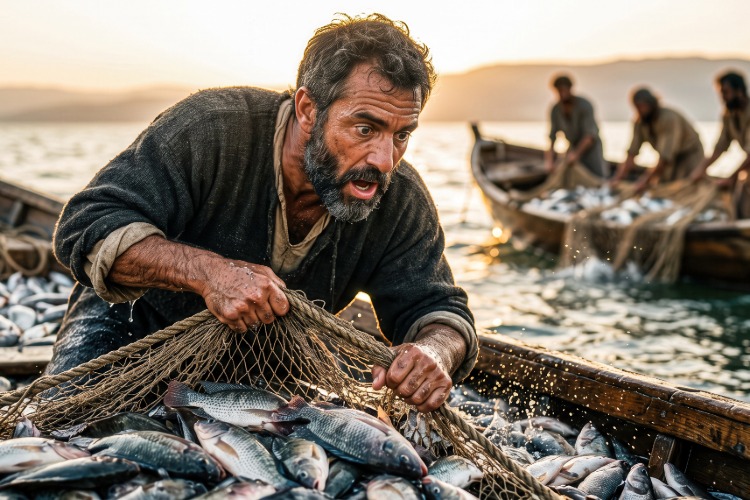
As the disciples discovered through a huge haul of fish, we can trust Jesus for a net-breaking, boat-sinking catch of people.
26 October 2026
4.5 MINS
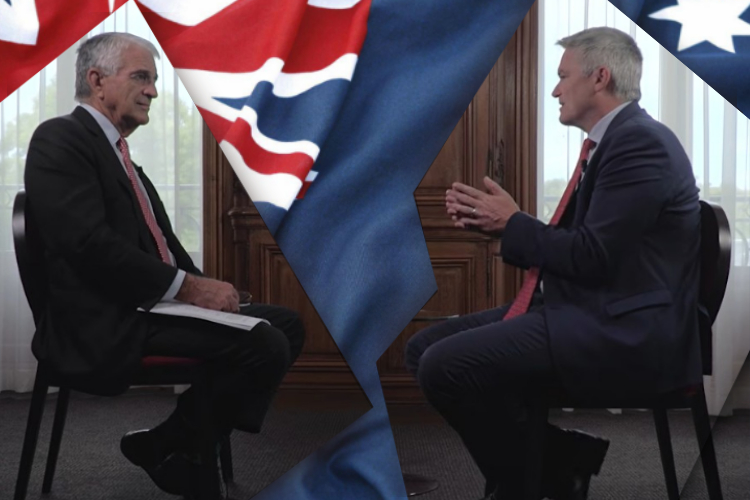
OECD chief Mathias Cormann warns Australia is losing its competitive edge, as excessive regulation, housing pressures, immigration challenges and declining public trust threaten national prosperity.



Great article!!!!!!!!!!!!!!!
Love it! Thanks Kurt.
Who would have thought! Thanks Kurt.
Can’t help smiling :))
love it.