



Faith on the Rise? Report Reveals Quiet Return to Christianity in Australia
Contrary to popular assumptions, Christianity in Australia isn’t dying out. Thousands are turning to faith amid disillusionment, personal crises, and a longing for deeper meaning — and older generations are leading the charge.
Despite news headlines about our nation’s spiritual decline, new research reveals a surprising undercurrent in Australian society: hundreds of thousands are quietly embracing Christianity, even as the nation grows more secular on paper.
A major new report by McCrindle Research, titled An Undercurrent of Faith, has revealed a surprising trend in Australian religious identity. While national Census data shows a decline in Christian affiliation — from 52% in 2016 to 44% in 2021 — more than 784,000 Australians identified as Christian in 2021 after previously stating they had no religion.
This movement toward Christianity has remained fairly steady over the last two decades, according to longitudinal Census data. Even in a time marked by rising secularism and institutional distrust, many Australians are finding personal meaning and spiritual vitality in the Christian faith.

According to the study, the most common reasons Australians gave for their return Christianity include experiencing “sense of divine presence that draws them to Christianity”, a personal search for purpose, and answers to life’s big questions. Significant life events, such as loss or personal crises, were also noted as common catalysts for a return to faith.
“I got more connected with God and wanted to change my behaviour,” one participant shared.
Another said, “As an angry teen you like to think you know everything but as you get older you appreciate values you learned as a child that serve you into adulthood.”
Far from being driven by cultural or family expectations, by and large this movement appears to be grounded in sincere belief. Nearly 60% of those who changed their religious identity said it was due to a shift in personal convictions, not external pressures.
Older Australians Leading the Way
Contrary to what’s taking place in the United States and the United Kingdom where the growth is primarily among young people, in Australia, it is older generations who are returning to Christian faith in large numbers.
Between 2016 and 2021, a quarter of all new Christian converts were aged 55 and over — an 11 percentage point rise over the previous decade. Many in this age group are turning to faith after experiencing major life changes such as widowhood, separation, or divorce.

Younger Australians present a more complex picture. On one hand, more than 85,000 young people (aged 15–24) came to faith between 2016 and 2021, many without any Christian family background. They are also more likely than older believers to attend church regularly.
However, this age group is also the most likely to abandon Christianity. One in three young Christians (36%) left the faith between 2016 and 2021 — nearly double the national average of 19%.
Gen Z cited disillusionment with religion’s relevance, family pressure, and disappointment with church leadership as major reasons for leaving.

Still, more than half of Gen Z are open to spiritual conversations. “Far from being anti-religion, Australian young people are open to spiritual exploration,” the reports authors note.
Christianity Still Holds Broad Appeal
Even among non-Christians, there is openness to the faith. Nearly half of Australians (45%) are open to spiritual discussions with people of different beliefs. And one in five are open to changing their religious view — a significant increase from just 8% in 2011.
The most attractive features of Christianity cited by non-believers include community and belonging (36%), peace and hope (33%), and a strong emphasis on care for others (30%).
“Today’s Australians are not necessarily rejecting faith,” McCrindle notes. “They’re rejecting hypocrisy, irrelevance, and broken institutions — but remain open to truth, meaning, and hope.”
The findings offer both a challenge and opportunity for Christian leaders. The era of cultural Christianity may be fading, but those who embrace the faith today tend to do so with purpose and conviction.
In a society experiencing digital exhaustion, social fragmentation and spiritual hunger, the invitation of Jesus — “Come to me, all you who are weary and burdened, and I will give you rest” (Matthew 11:28) — is still calling lost souls back to faith.
___
Image courtesy of Pexels.
3 Comments
Leave A Comment
Recent Articles:

22 October 2026
2.9 MINS
Victoria Labor’s promise to fund free abortions has drawn a forceful response from Presbyterian leaders, raising profound questions about unborn life, government priorities and Australia’s moral direction.

22 October 2026
4.7 MINS
Western Australia’s proposed anti-discrimination overhaul has sparked warnings from Christian leaders that religious freedom, parental choice and faith-based schools’ ability to uphold their beliefs are at risk.

22 October 2026
5 MINS
Queensland’s newly released abortion statistics reveal the scale of the state’s abortion toll, prompting renewed calls for political accountability, protection of unborn life and an end to parliamentary silence.

22 October 2026
2.9 MINS
An Israeli political candidate claiming a remarkable biblical identity has sparked questions about false messiahs, the Antichrist and how Christians should interpret prophecy.

22 October 2026
6.4 MINS
Victoria’s major parties have both pledged $30 million to fund abortions, prompting fierce criticism from pro-life advocates who say taxpayers deserve better support for mothers and unborn children.
22 October 2026
2.8 MINS
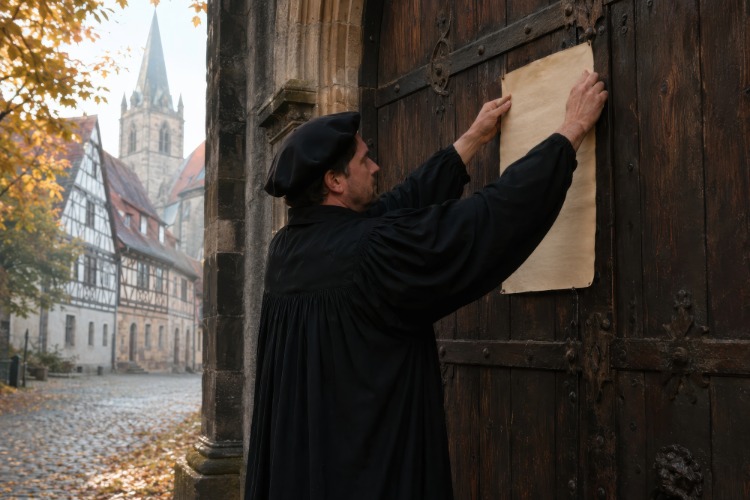
31 October is a historic day of reformation and revival. This end of month, let's gather together on this day which holds deep wells of revival, and ask God to do it again.
21 October 2026
3.5 MINS
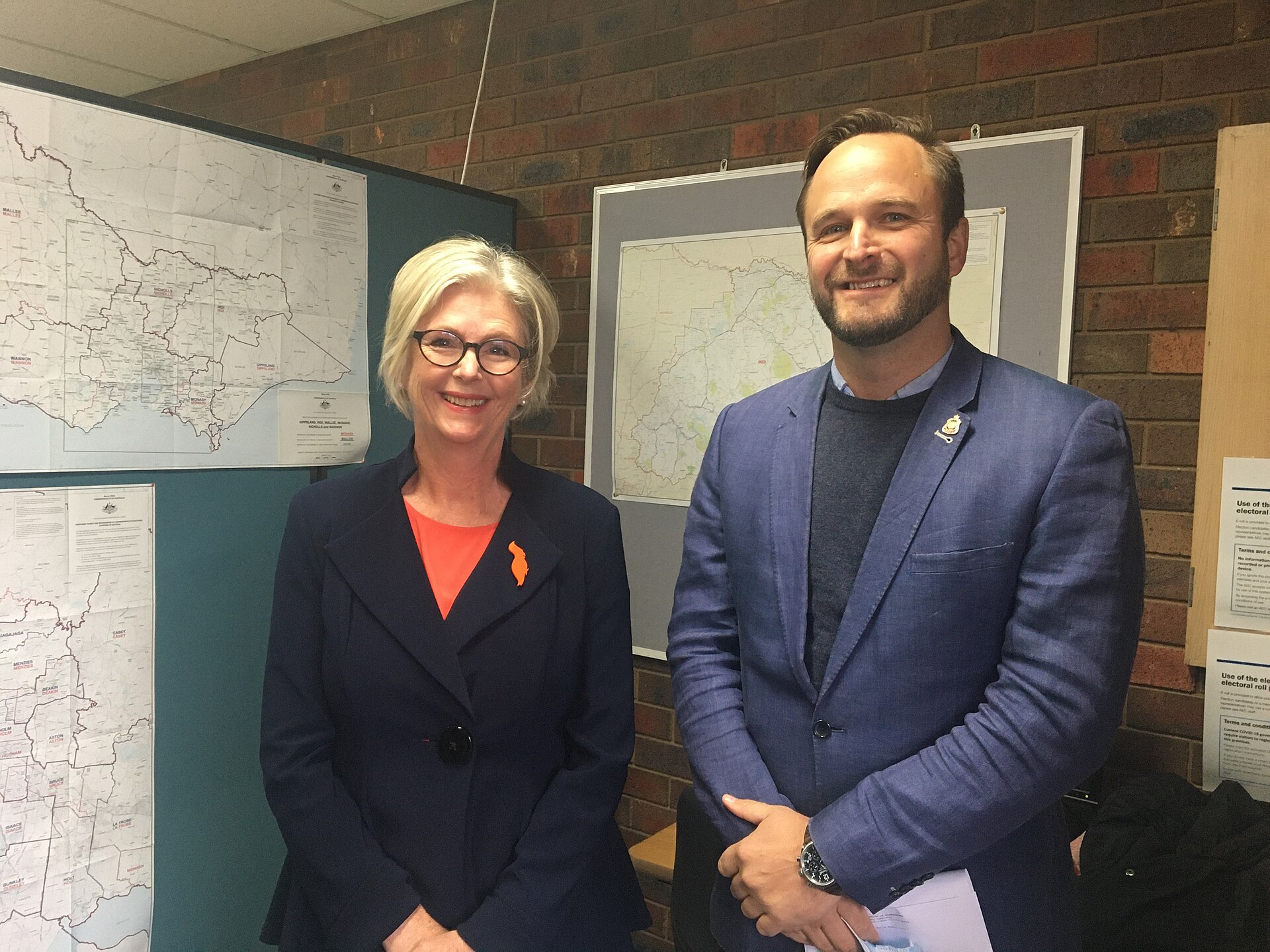
The alleged attack on Helen Haines demands condemnation, but rising threats against politicians also raise questions about public trust, political intimidation and selective outrage.



Great encouragement to persevere in taking every opportunity to show forth Jesus Christ in word and deed :))
People are watching and looking for a GOOD difference and resonates deeply.
Praise to our God !
Though I’m agnostic, I welcome the growing numbers turning to Christianity. Humans are a tribal species and, if you’ll excuse me for putting the case in non-religious terms, Christianity is among the least worst of the tribes.
Understand that there is something beyond yourself. Treat others well. Limit your desires.
These are principles that can underpin any life, whether believer or unbeliever.
“We must not hide our light but let it shine before others, that they may see the truth in our actions and be drawn to the hope that is found in Christ alone.”
A statement from Andrew Scarborough which might help Gregoryno6.