


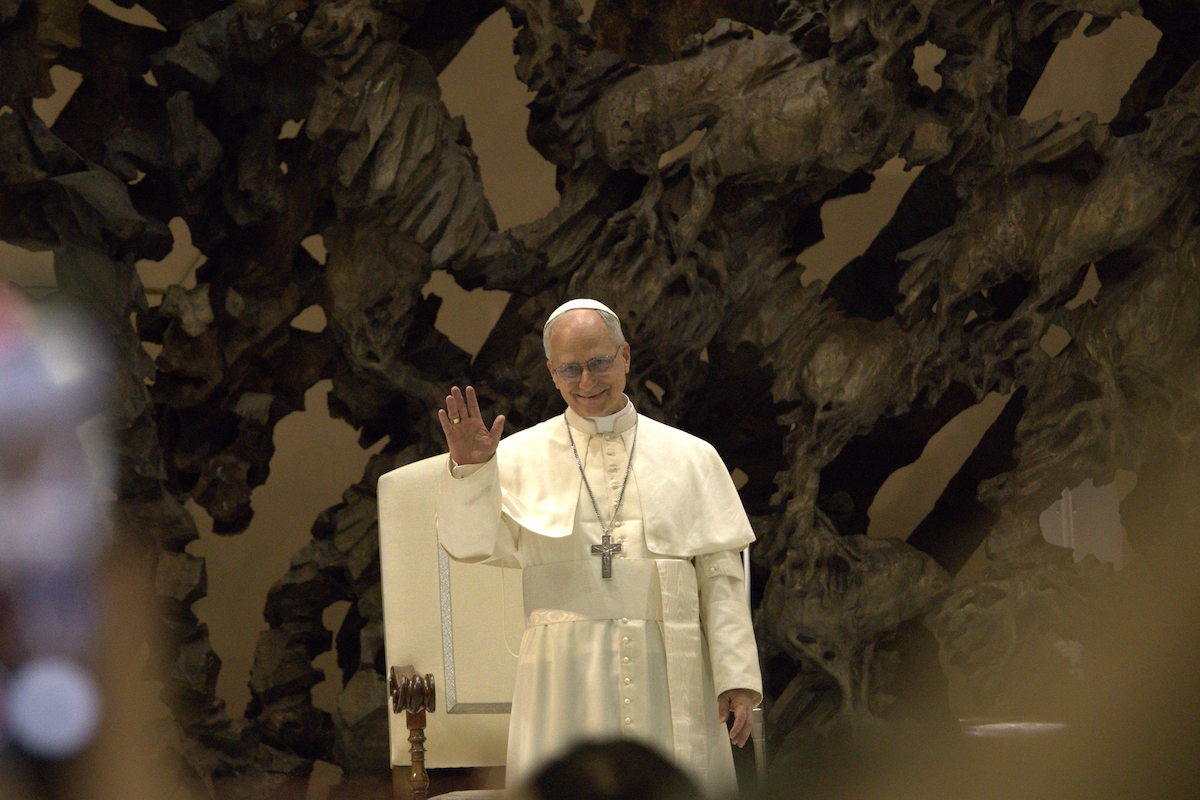
Pope Leo XIV Plans to Address Artificial Intelligence Concerns
In his first address, Pope Leo XIV highlighted artificial intelligence as a defining issue of our time, and has signalled he will address its impact on work, dignity, and Catholic social teaching.
One of the goals of the new pope will be to develop Catholic teaching on artificial intelligence (AI), the pope himself shared recently. Addressing the College of Cardinals on Saturday, the newly-elected Pope Leo XIV explained how he hopes to continue the work of his nominal predecessor, Pope Leo XIII, and what that has to do with AI.
“Sensing myself called to continue in this same path, I chose to take the name Leo XIV. There are different reasons for this, but mainly because Pope Leo XIII, in his historic encyclical ‘Rerum Novarum,’ addressed the social question in the context of the first great industrial revolution,” Pope Leo XIV said. He continued, “In our own day, the Church offers to everyone the treasury of her social teaching in response to another industrial revolution and to developments in the field of artificial intelligence that pose new challenges for the defence of human dignity, justice, and labor.”
In 1891, Pope Leo XIII developed the basis for Catholic social teaching with the publication of “Rerum Novarum,” which addresses the dignity of workers, the relationship between labor and capital, and how governments ought to treat their citizens. In the lengthy address, the 19th century pontiff condemned both communism and unrestrained capitalism, observing in regard to the latter that free markets must temper themselves with moral considerations in order not to trample the rights and dignity of workers. Popes Pius XI, John XXIII, and John Paul II have expounded on Pope Leo XIII’s teaching, further condemning communism as it developed over the century since “Rerum Novarum” was published and suggesting moral guidelines for the operation of capitalism, to ensure the protection of human dignity. Now, it appears that Leo XIV will add his own voice to those of Leo XIII, Pius XI, John XXIII, and John Paul II, addressing AI and the preservation of human dignity.
Father Philip Larrey, a Catholic priest and a philosophy professor at Boston College, has written several books on the moral and ethical implications of burgeoning AI use. In comments to The Washington Stand, he said, “Here we have a pope who has just been elected and one of the first things he speaks about is artificial intelligence and new technologies. So those of us who have been in the field for many years have rejoiced and have delighted in this fact.” He added, “We’re very excited that this is on the pope’s radar, and we completely understand why — because in the near future, we’re going to see some pretty tremendous changes and upheavals” due to AI.
“The importance of artificial intelligence is not made any more relevant because the pope talks about it — although it certainly helped that Pope Leo is mentioning this — it is simply relevant and important, and that is why the Pope is mentioning it,” Larrey explained. He continued, “Now, that he would do this in his first official discourse to the cardinals at Mass is striking, it’s very unusual. I think it suggests one of the priorities of his pontificate will be this idea of artificial intelligence and new technologies.”
How Will the Pope Address Artificial Intelligence?
As for how Leo XIV might address AI and human dignity, Larrey said, “Are we going to see a ‘Rerum Novarum’ number two? No, I don’t believe so. I think what Leo XIV is trying to say is that he wants to do for today what Leo XIII did in the 19th century for his day.” The professor-priest explained, “Leo XIII drafted the document, which kind of summarises the social doctrine of the church at a time when the Industrial Revolution was going on. And Leo XIV understands that there’s a new industrial revolution going on and it has to do with digital technology, and he is trying to address that in a relevant way.”
Eric Sammons, a Catholic author and editor-in-chief of Crisis Magazine, told The Washington Stand, “Artificial intelligence is one of those ‘gradually then suddenly’ technologies: it has been around since the 1950s, slowly developing, and now suddenly it’s transforming modern society at a dizzying pace.” He added, “I’ve been following this trend for more than a decade and I’ve worried that the Church would be slow to recognise its impact on the world.” However, Sammons noted that the late Pope Francis released a Vatican document entitled “Antiqua et Nova” in January, officially addressing AI from the Vatican for the first time. The author continued, “But now it appears that Leo XIV is putting the impact of AI at the forefront of his pontificate, noting it was one of the reasons he chose ‘Leo’ as his papal name.”
“His predecessor Leo XIII in the late 19th century also lived in a time when technology was radically changing society, especially industry and work,” Sammons observed. He continued, “Leo XIV apparently wants to follow in his predecessor’s footsteps, outlining a Catholic view of the use of technology — one that accepts technological advances as gifts from God while recognising that the dignity of men and women, and particularly families, must be the priority in our brave new world.”
Numerous other Christian organisations have also raised concerns over AI use in recent years. For example, Family Research Council sent a letter to President Donald Trump’s administration in March, warning of the potential dangers reckless AI development may pose to American families. “Family is the foundation of society. Throughout history, major technological advancements — such as industrialisation and communications innovations like the cell phone — have significantly impacted how people meet, marry, start families, and raise children,” FRC observed, adding, “The rise of AI presents opportunities and challenges on a scale we have never encountered before, and they can be difficult to predict.”
FRC warned that AI programs — and, in particular, “chat bots” — pose serious dangers to both children and adults. “Children’s brains are still developing, and their emotions tend to run high. The possibility of social isolation for children and teens is even more pronounced and can severely affect their lives for the worse,” FRC wrote. The organisation continued, “Real human relationships can be complicated and messy. They require significant effort, time, and sacrifice and often involve miscommunications, mistakes, arguments, apologies, and forgiveness. Faux relationships with AI chatbots can train us to be more self-centred, encouraging us to prioritise our own needs over making sacrifices for the good of others.”
According to a new report from the United Nations Conference on Trade and Development (UNCTAD), AI is projected to become a $4.8 trillion global market in under a decade and will impact at least 40% of jobs worldwide, rendering many obsolete and doing away with human workers. UNCTAD observed, “The benefits of AI-driven automation often favour capital over labor, which could widen inequality and reduce the competitive advantage of low-cost labor in developing economies.”
___
Republished with thanks to The Washington Stand. Image courtesy of Wikimedia Commons.
Recent Articles:

20 October 2026
3 MINS
Scripture teaches us to pray the "prayer of faith", because without faith it is impossible to please God.
19 October 2026
6.7 MINS
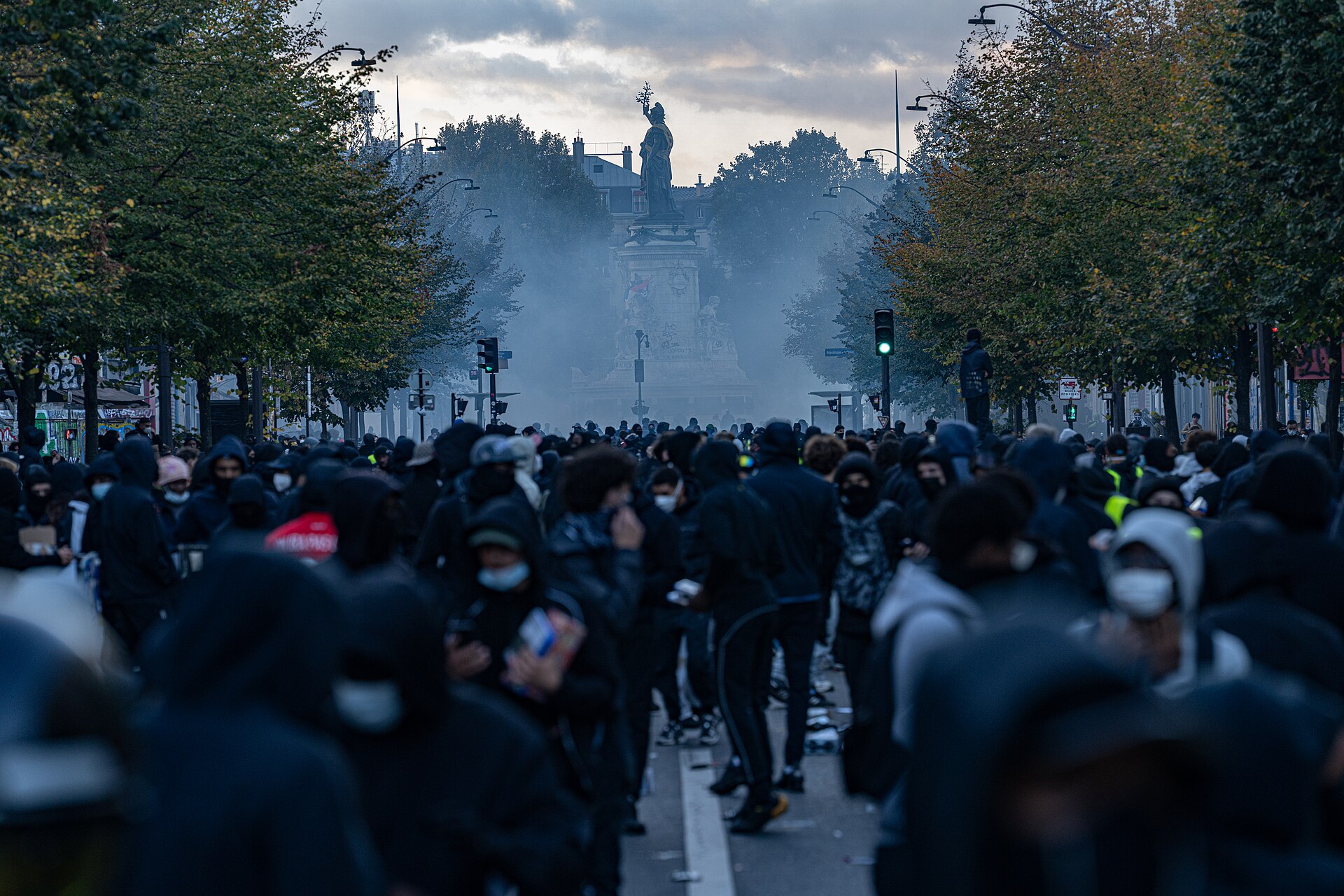
Europe’s escalating unrest raises urgent questions about immigration, national identity, secularism and the decline of Christian influence, prompting calls for repentance, prayer and renewed leadership.

19 October 2026
7 MINS
Western Australia’s euthanasia deaths have surged, prompting calls for an urgent inquiry amid concerns about doctor shopping, waived safeguards, limited palliative care and proposed legal expansion.
19 October 2026
12.4 MINS
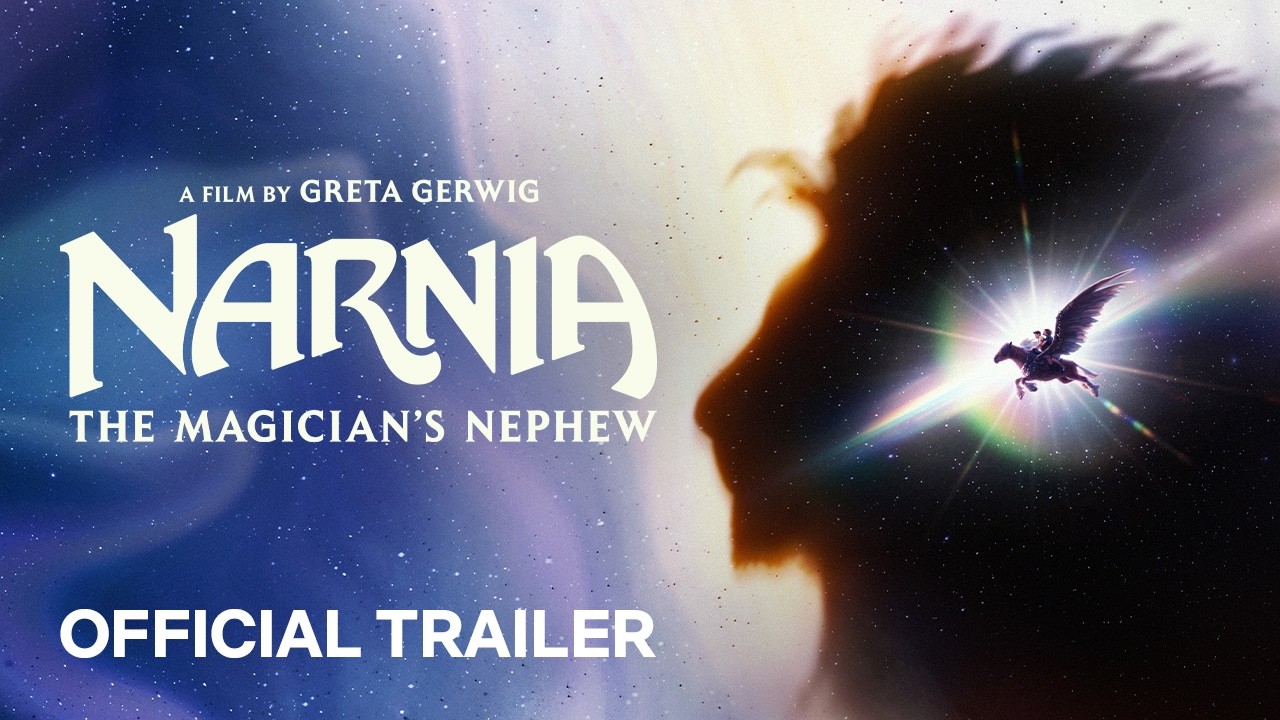
Greta Gerwig’s "Narnia: The Magician’s Nephew" trailer raises questions about C. S. Lewis’s Christian vision and the faithfulness of the new Netflix adaptation. Here are my initial impressions and concerns.

19 October 2026
2.7 MINS
The UK Greens’ vote to define Zionism as racism has exposed deep divisions within the party, raising questions about its future leadership and political direction.

19 October 2026
3 MINS
Paul prayed that we would be awakened to a deeper revelation of the Father and who we are in Christ, so that we will make Jesus known to others more passionately.
18 October 2026
2.7 MINS
Every season of life belongs to Christ, and we don't retire from discipleship as we grow older. In fact, our older years hold unique gifts for the younger generations.


