



Would I Ever Return to Parliament?
Nation First’s George Christensen asks himself whether a return to Parliament is necessary to fight for freedom, sovereignty, and the most vulnerable.
It’s a question that keeps coming up. Quietly. Persistently. Sometimes from supporters. Sometimes from people who never liked what I stood for, but can see the direction things are heading.
Will I consider running for Parliament again?
So let me answer it plainly: A return to politics, as things stand, is unlikely. But it is not impossible.
___
- A return to Parliament is unlikely, but a serious opportunity, particularly in the Senate with One Nation, would be carefully considered.
- The Senate is the most effective arena to disrupt harmful legislation and represent Australians who feel ignored by the political establishment.
- Any future political comeback would reject cautious, softened messaging in favour of direct and unapologetic truth-telling.
- My focus would shift to a small number of defining battles, including free speech, national sovereignty, child protection, opposing radical Islam, and the fight for life.
- I would prioritise direct communication with the people and the mobilisation of supporters rather than relying on traditional communication channels.
___
If the right opportunity came along, particularly something like a Senate vacancy or a number one Senate ticket with One Nation, I would have to take it very seriously. Because the country is not heading in the right direction, and pretending otherwise is no longer an option.
I wouldn’t play it safe. Ever.
If there’s one thing I would do differently, it’s this. I would not hold back. Politics has a way of grinding people down. It pressures you to soften your language, to trim your message, and to avoid stepping on too many toes. You get told to pick your battles and be strategic.
But here’s the reality. While you’re being strategic, the other side is being relentless. They are reshaping institutions, rewriting cultural norms, and pushing policies that most ordinary people never asked for. If I went back, I would not be calibrating every word to avoid outrage. I would be saying exactly what needs to be said, clearly, directly, and without apology.
I would focus on fewer, but bigger, more important fights.
Another mistake many politicians make is trying to be everything to everyone. Endless issues, endless commentary, and endless distractions. If I returned, I would narrow the focus to the battles that actually matter, the ones that define the direction of the country and the future of the next generation.
Freedom of speech is one of those fights, because once that goes, everything else follows. Cost of living is another, because families are being squeezed while governments pretend the pain is temporary. National sovereignty matters because decisions that should belong to Australians are increasingly influenced by global bodies no one voted for.
That question of sovereignty is not abstract. It reaches right into the soil beneath our feet and the livelihoods of ordinary Australians. A country that cannot keep control of its own farming land, its strategic assets, and its own workforce is a country surrendering itself piece by piece. Australian land should not be sold off as if it means nothing. Australian jobs should not be treated as disposable while governments flood the labour market and expect working people to accept lower wages, less security, and fewer opportunities. If I returned, I would want to fight for an Australia where Australians come first in their own country.
Protection of children is fundamental because once you lose that line, you lose the future. That means standing against the sexualisation of children and pushing back hard against the insanity of so-called “gender therapy” for minors, where irreversible decisions are being encouraged before a child is even old enough to understand the consequences. A society that cannot protect its children from that kind of confusion and pressure is a society that has lost its way.
The fight for life is just as critical. A nation that turns a blind eye to the most vulnerable cannot claim to stand for justice or compassion. Abortion has been pushed further and further, normalised, expanded, and shielded from scrutiny. That is not something I could ignore. If I returned, I would be prepared to speak into that debate again, plainly and without fear, and to advocate for policies that protect both mother and child.
I would also be prepared to confront the threat of radical Islam plainly, because too many politicians are too cowardly to even name it. Australians have every right to expect that this country will defend its own civilisation, its own values, and its own security. Any ideology that breeds extremism, intimidation, sectarianism, or contempt for the freedoms and heritage of this nation must be challenged, not accommodated. A political class terrified of offending the wrong people is a political class that leaves the nation exposed.
These are not side issues. They are the front line.
I would use every tool available in this fight.
When I was in Parliament, social media was already powerful, but now it is everything. The gatekeepers are weaker than they were, the public is more aware, and the appetite for straight talk is far stronger than the political class realises. If I came back, I would treat communication as a weapon, not just something to manage but something to actively deploy.
That means more than speeches in Parliament or press releases. It means daily engagement, direct messaging, and mobilising people, not just informing them. Real change does not come from a speech in Canberra. It comes when enough people decide they have had enough and are willing to act.
I would push harder, not blend in.
There is enormous pressure inside Parliament to conform, to fit in, to be seen as reasonable, and to avoid being labelled. But those labels get thrown around anyway. So the real question becomes whether you stand firm or slowly become part of the machine you once opposed.
If I returned, I would have no interest in blending in. I would be there to disrupt, to force debates others want shut down, and to represent the people who feel like no one is speaking for them anymore.
The Senate is where this fight would matter most.
If there was one pathway back that made sense, it would be the Senate, not for prestige but for leverage. The Senate is where legislation can be stopped, where bad ideas can be delayed, and where deals can be forced into the open. A strong, unapologetic voice in the Senate can have an outsized impact, and right now that kind of voice is in short supply.
So would I come back?
Under normal circumstances, no. There is life outside politics, there is family, there is work that matters, and there are battles that can be fought without stepping back into that arena. But if the call came, if there was a real opportunity to make a difference, and if there was a platform that allowed a genuine fight rather than just a seat at the table, then yes, I would think long and hard about it.
Because at some point, you have to decide whether you are content to watch what is happening to the country or whether you are prepared to step back in and fight for it. And that decision may not be as far away as it seems.
___
Republished thanks to Nation First.
3 Comments
Leave A Comment
Recent Articles:
27 October 2026
3.1 MINS
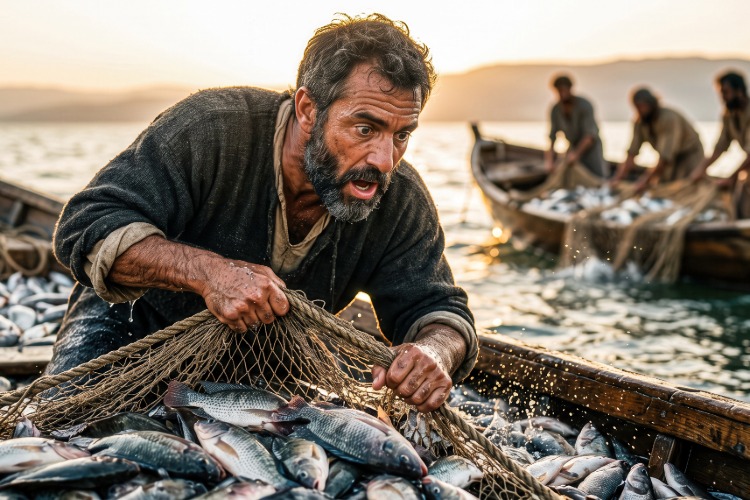
As the disciples discovered through a huge haul of fish, we can trust Jesus for a net-breaking, boat-sinking catch of people.
26 October 2026
4.5 MINS
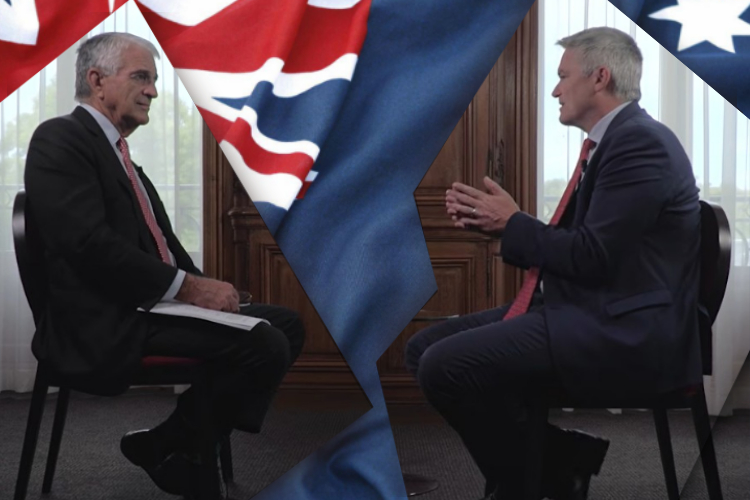
OECD chief Mathias Cormann warns Australia is losing its competitive edge, as excessive regulation, housing pressures, immigration challenges and declining public trust threaten national prosperity.
26 October 2026
2.5 MINS
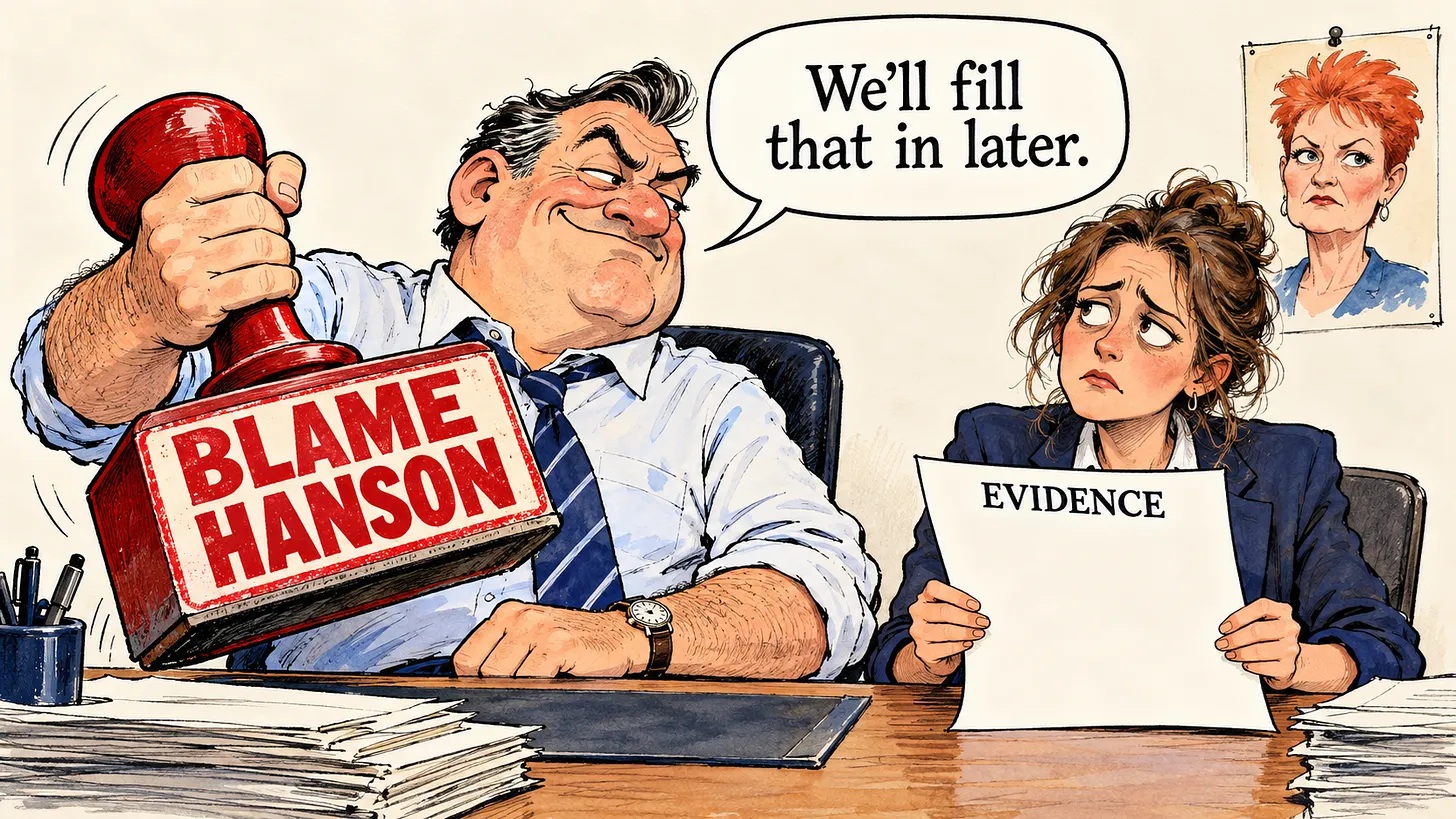
Nation First exposes the rush to weaponise the Haines attack against Pauline Hanson, conservative voices and men before investigators established a motive.
26 October 2026
5.1 MINS
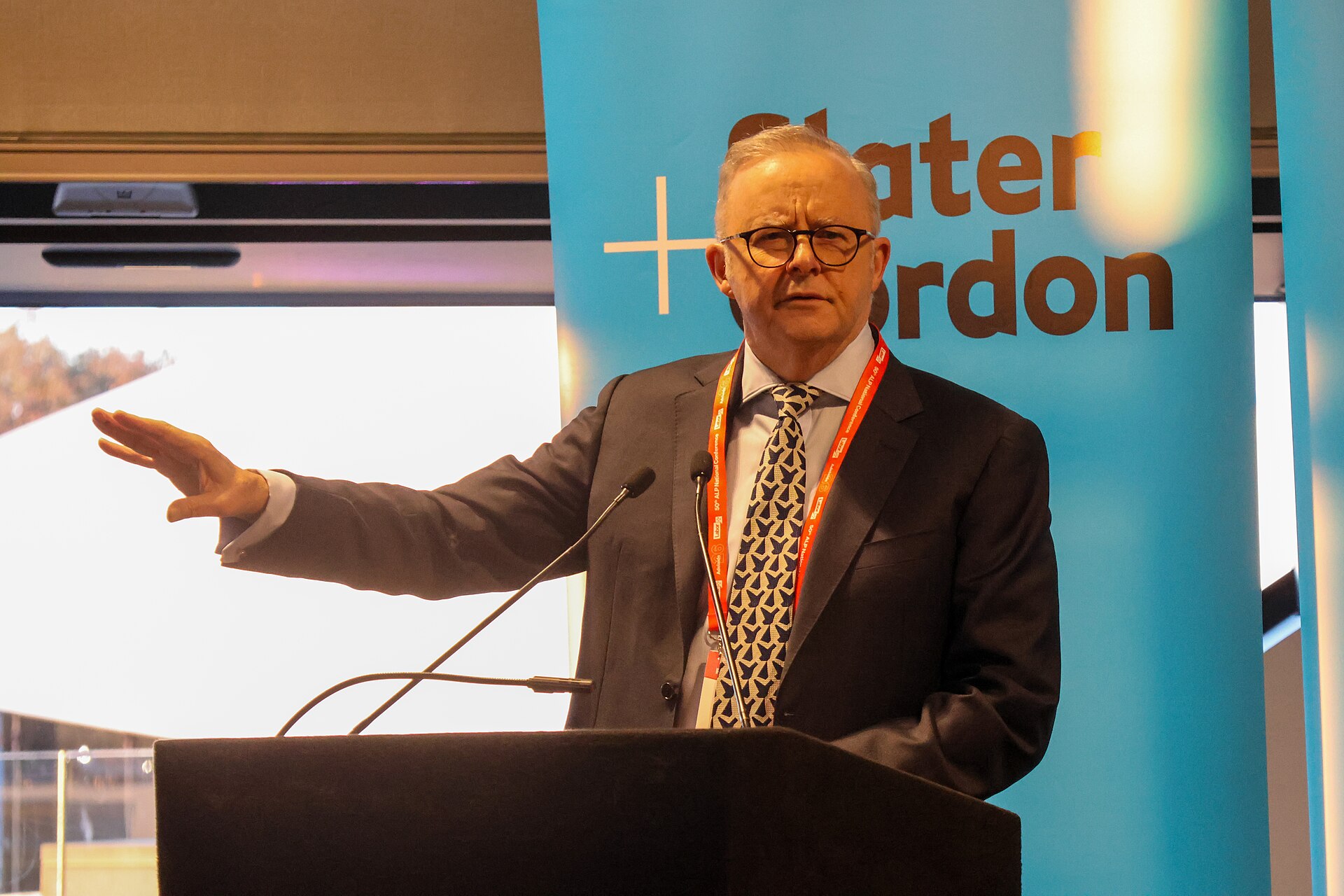
Anthony Albanese calls for civility after the Helen Haines attack, but revelations of a political dirt file raise uncomfortable questions about his government’s own conduct.
26 October 2026
3 MINS
Australia’s national resilience inquiry overlooks a critical weakness: decades of deindustrialisation have left the nation dangerously dependent on imports, unprepared for compounding threats and strategic disruption.
26 October 2026
2.9 MINS
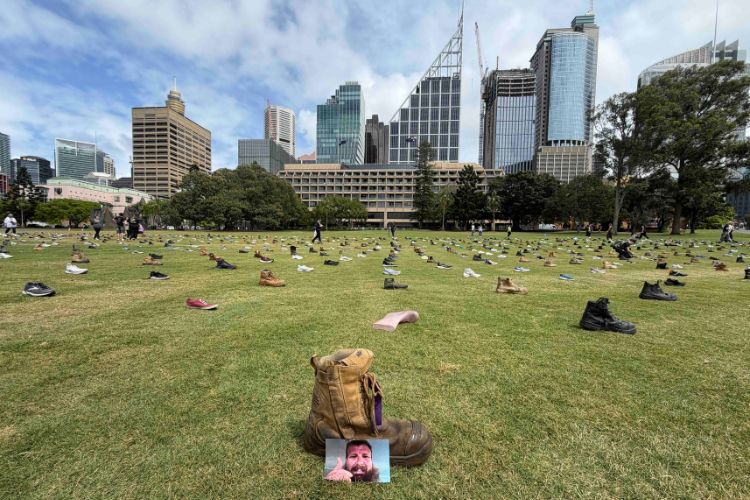
A powerful display of thousands of shoes highlights Australia’s escalating male suicide crisis, while Dads4Kids celebrates fatherhood, family connections and practical action to strengthen generations.
26 October 2026
3.2 MINS
Following Paul's example in Ephesians 1, let us pray for the Father to open the eyes of our hearts so that we may grasp the hope of his calling, the riches of his glorious inheritance in the saints, and the greatness of his power towards us who believe.



Really worth considering ,George
A good attitude George
Thank you George – I too wonder how I can help in such an environment. The majority of Australians are seeing our society collapse around us and are heartbroken by it. Those Australians – and I – never thought as a country we would be in this place. You’re right the creeping relentlessness of those who do not believe in life and freedom for all but only themselves is vocal. How can it be logical thinking inclusiveness is grand standing for difference and hate? Our governance and laws were built on inclusivity for all not putting bandaids on laws to support individual groups as opposed to everyone.
When and if the timing is right George you will know – that is what I am also banking on!
Thank you for your deeply considered thoughts.