



See with Your Eyes Wide Open — The Red Pill
In order to learn, we must be honest, open and active in asking uncomfortable questions and listening to the response. Though as individuals we may not understand the importance of learning these hard and uncomfortable lessons at specific times, we know that these lessons must be experienced.
For documentarian Cassie Jaye, the three-year journey taken “down the proverbial rabbit hole” into the gender equality debate was a lesson that sparked overdue conversation around Men’s Rights Activists (MRAs). Jaye’s film The Red Pill, released in 2017, presented a string of arguments, facts and testimonials which exposed a range of significant issues affecting our society, highlighting those that particularly affect men and families.
Beginning with the declaration that she was a self-acclaimed feminist, Jaye laid the foundation of her gender equality position through personal experiences and perceptions within the US film and entertainment industry. The Red Pill’s narrative moved through her personal progression as a documentarian, and the multiple films which make up the body of her work which explore women’s rights, including purity ball practice examination (daughter to father virginity pledges) in Daddy Do I.
Sparked by personal outrage at two major female-victim rape news stories in early 2013, ‘fate’ as Jaye called it (or biased mass media as I would), lead her to seek out the “brash online community of the Men’s Rights Movement (MRM)”. Following Jaye’s discovery of the MRM, we as viewers were bombarded with a range of hateful and bile-filled language in support of the blanket belief that all Men’s Rights Activist (MRAs) are misogynists — which sadly was never addressed or counter-argued.
Unexpectantly, The Red Pill inverted the scales of mass opinion and turned into a collection of testimonials, statistics and arguments from top MRA figures — amongst them Paul Elam, the Honey Badger Brigade, Warren Farrell and a number of their supporters. The honest and raw data presented, although unequal in its display, was refreshing and eye-opening on issues including domestic violence, child custody and family court rulings, suicide, and workplace incidents and deaths — all of which affect the tail of the gender equality coin.
The downfall to the success of the film in mainstream media was not the narrative presented or the aesthetic failings as one critic called it, but the lack of airtime for both sides of this debate. Even as a member of society with no affiliation, I found myself wanting an equal understanding of the modern feminist movement. This does not mean that both sides were not represented as part of the discussion, or that both parties didn’t make valid statements, but pieces to the puzzle were left missing.
It seems that these gaps assisted Jaye’s intent — to create a window of opportunity to start a long, overdue conversation about the reality and issues on both sides of the debate within the public sphere.
The Red Pill’s two-hour journey concluded with the compelling declaration that “I [Cassie Jaye] no longer call myself a feminist.” This did not mean that Jaye was swayed to the opposing side — instead, it was the graduation of her journey to understand each viewpoint. Further public discussion, after the release of the film, saw her admit that through the process of making the documentary, she had to disband her preconceptions and listen.
Are we actively listening — paying attention, showing openness and engagement, providing feedback, and deferring judgement — before responding appropriately?
Or is it that we cannot let go of prejudices in order to hear someone’s intended message?
What makes this worse is that both movements raise real issues, and the media has focussed its energy on debating who is ‘right’, instead of how we can support each other to rectify these problems. One such argument from a Jubilee middle ground debate made a valid point; that a person cannot dismiss another’s experience.
In Australia alone, men are three times more likely to commit suicide than women; over 1 in 3 persons who experienced violence from an intimate partner were male; there are almost no specialist domestic and family violence services for male victims; and less than 10% of shared custody arrangements provide equal mother/father care-time.
Only showing the tip of the iceberg, these statistics highlight real experiences that should no longer be dismissed and ignored.
Rather than allowing someone else to ‘watch it, so you don’t have to’, I implore you watch The Red Pill and see with your eyes wide open.
The Red Pill movie can be bought or rented on Amazon Australia, Vimeo, Vudu, Google Play, YouTube, and iTunes.
[Photo by Joshua Earle on Unsplash]One Comment
Leave A Comment
Recent Articles:
23 October 2026
13.1 MINS
Tasmania’s proposed conversion practices legislation raises serious questions about religious freedom, pastoral care and whether Christians can freely pray with those seeking to live according to their faith.

22 October 2026
4.7 MINS
Western Australia’s proposed anti-discrimination overhaul has sparked warnings from Christian leaders that religious freedom, parental choice and faith-based schools’ ability to uphold their beliefs are at risk.
21 October 2026
3.5 MINS
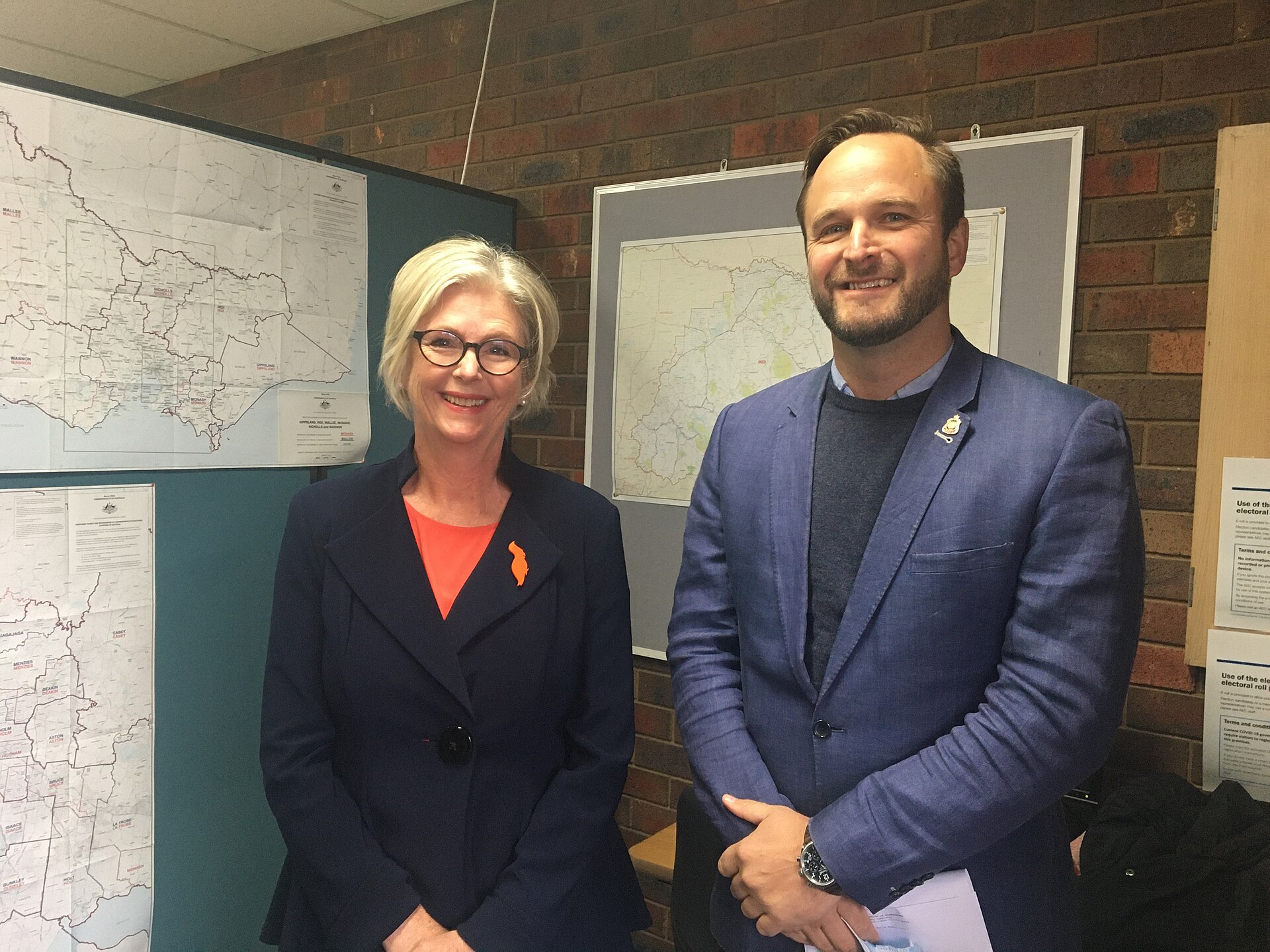
The alleged attack on Helen Haines demands condemnation, but rising threats against politicians also raise questions about public trust, political intimidation and selective outrage.
21 October 2026
3.5 MINS
Ben Carroll has called for an end to hateful political rhetoric, but his treatment of Pauline Hanson raises questions about how consistently he applies that standard.

21 October 2026
7.9 MINS
A collection of sobering reflections on Western civilisation’s decline, the loss of Christian foundations and the dangers of cultural complacency, ending with a message of enduring Christian hope.

20 October 2026
4.9 MINS
A federal investigation has exposed how America’s biggest banks shut out conservative and Christian clients, relying on subjective reputation risks and controversial ideological watchdogs.
19 October 2026
12.4 MINS
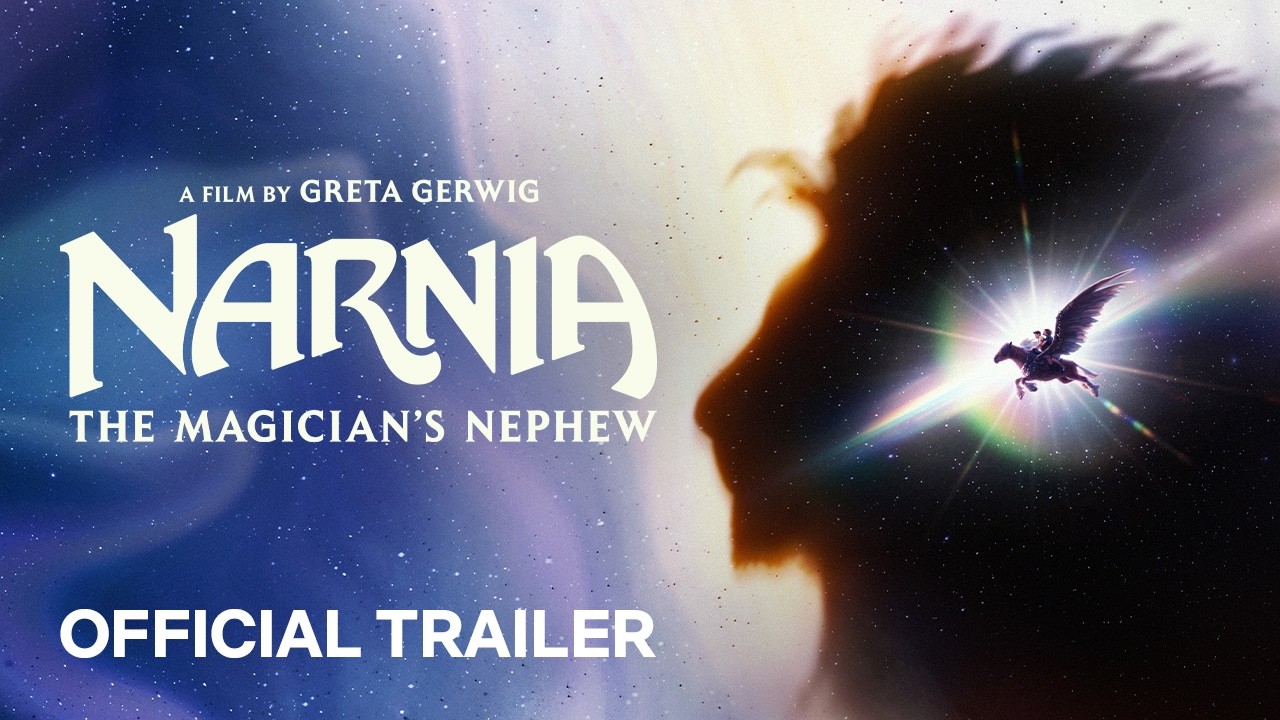
Greta Gerwig’s "Narnia: The Magician’s Nephew" trailer raises questions about C. S. Lewis’s Christian vision and the faithfulness of the new Netflix adaptation. Here are my initial impressions and concerns.



Thought provoking!