


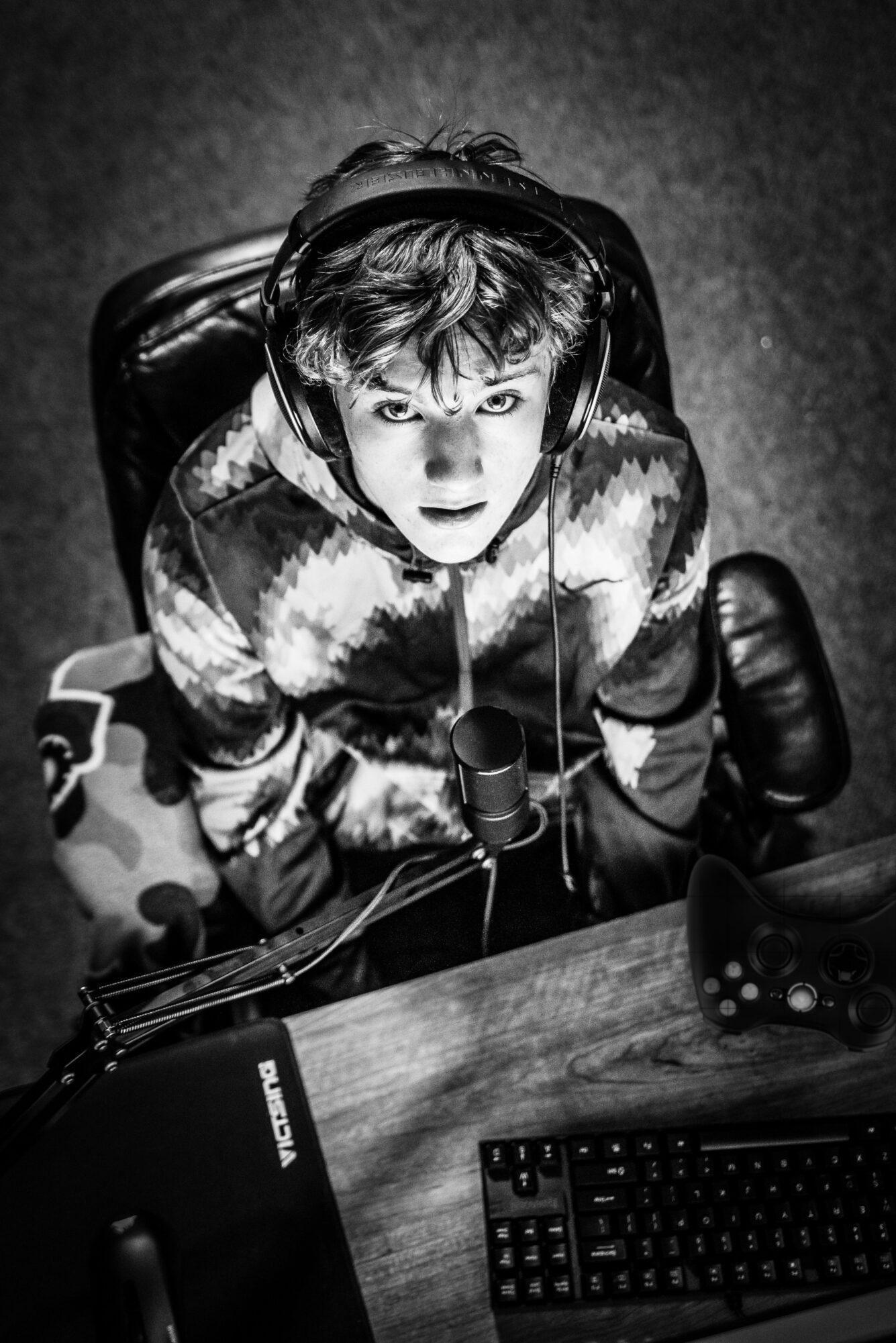
Pornography: Protecting Our Kids From the New Public Health Crisis
At the dawn of the Sexual Revolution in the 1960s and 70s, many were sounding the alarm about the impact pornography would have if it became widely available.
Through the 80s and 90s, Christians especially were objects of ridicule for their social and political stance against it.
Fast-forward to today, and pornography is thoroughly mainstream. Studies regularly find that the majority of adults—male and female—consume pornography with some level of frequency.
The biggest porn website has 33.5 billion visits every year—that’s over 1,000 visits a second. More people view pornography every month than Amazon, Netflix and YouTube combined.
Though you won’t hear much about it from mainstream news, research is now shedding light on the grim results of this decades-long experiment.
Studies have drawn links between pornography and a host of social ills such as depression, anxiety, stress, decreased sexual satisfaction, negative views of women, sexual violence, and even sex trafficking. “It’s not hurting anyone” has turned out to be a momentous myth.
In fact, the impacts of pornography have concerned American lawmakers enough that they’ve declared porn a public health crisis in 15 states.
The harms to children are especially concerning, given that today’s kids represent the first generation ever to be raised on tablets and mobile devices.
Thinking this through, we shouldn’t be surprised then when surveys find that 90% of boys and 70% of girls have visited porn sites by the time they’re 18; that the average age children first view porn is 11; and that 50% of teens come across porn at least once a month, whether they search it out or not.
But it’s not all bad news.
A number of nations have begun enacting age verification laws. Beginning next year in the UK, pornographers will be legally responsible for verifying the age of their customers using a third-party secure site. New Zealand is about to do the same.
Now the Australian government is considering these measures. And you can have a say in the process.
The Standing Committee on Social Policy and Legal Affairs is taking written submissions until Friday the 25th October, 2019. You can make your submission, however brief, at this link.
This isn’t about censorship. It’s about child safety, and making sure that children can enjoy a porn-free childhood.
Remember to make your submission to the inquiry before next Friday.
The next generation will thank you.
Recent Articles:
13 October 2026
2.6 MINS
Allegra Spender’s proposed bill reignites debate over discrimination protections, religious freedom and the right of faith-based schools to uphold their beliefs and values.

13 October 2026
3.9 MINS
Tasmania’s proposed conversion practices law raises serious concerns for churches, parents and faith-based schools, with broad definitions, severe penalties and uncertain protections for religious freedom.

13 October 2026
2.1 MINS
Victoria’s assisted dying deaths have surged by 300 per cent since legalisation, while a disturbing case involving a patient’s partner raises urgent questions about safeguards.

13 October 2026
1.8 MINS
Australia faces mounting geopolitical, economic and defence threats, but its political leaders lack the statesmanship, bold vision and decisive communication needed to prepare the nation.
13 October 2026
2.8 MINS
The church in Ephesus had so much going for it. Yet despite their hard work, perseverance, endurance, and discernment, there was something deeply wrong: they had left their first love.
12 October 2026
4.6 MINS
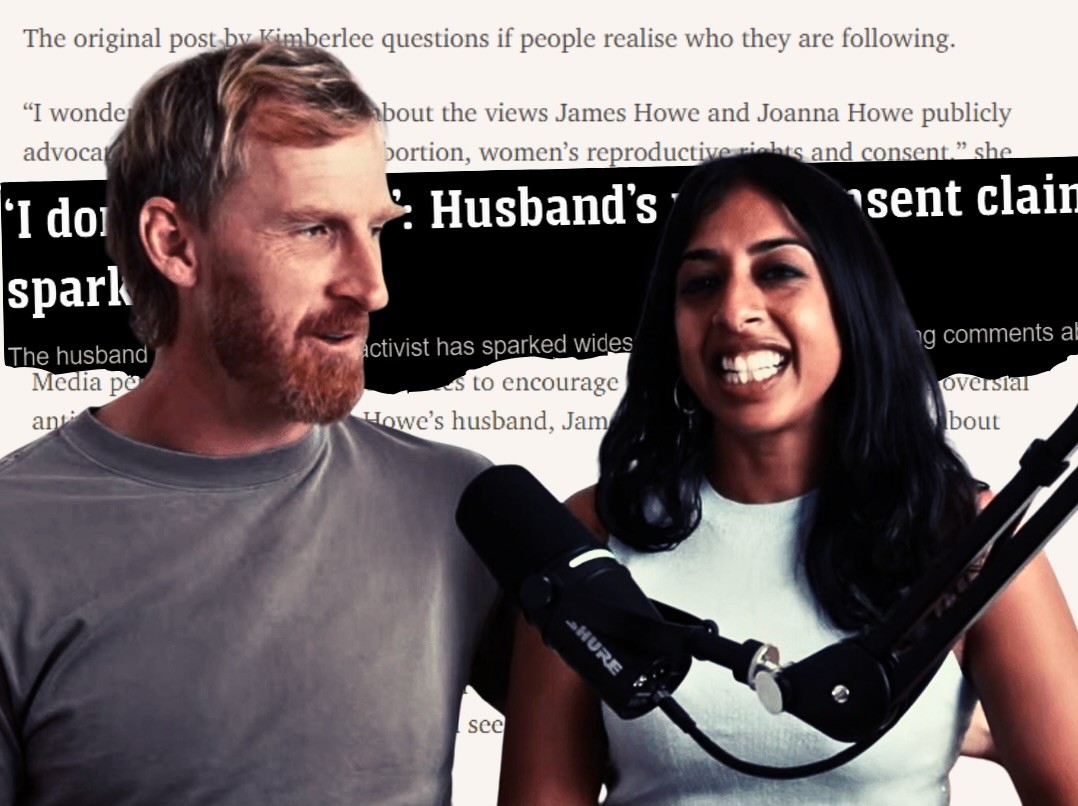
Learn how journalists use loaded language, selective quotes and misleading headlines to shape public opinion, using a controversial report about James and Joanna Howe as a case study.
12 October 2026
3.2 MINS
Your support has helped us change the world for the better, as Dads4Kids has poured our heart, soul and finance into the global promotion and celebration of International Men’s Day.


