



What Airport Security Teaches Us About The “Secular” Public Square
You can’t board an aircraft without going through airport security.
Everyone and everything that enters the plane is screened. Your luggage. Your backpack. Even you. Nothing gets through without security’s permission.
They’re the gatekeepers.
Now airport security is a powerful metaphor for understanding how our public square operates. That is, entering the secular public square is like going through airport security.
Especially if you’re religious.
Author Jonathan Leeman explains:
Imagine an airport metal detector standing at the entrance of the public square, which doesn’t screen for metal but for religion. The machine beeps anytime someone walks through it with a supernatural big-G God hiding inside one of their convictions, but it fails to pick up self-manufactured or socially constructed little-g gods.
He continues:
Into this public square the secularist, the materialist, the Darwinist, the consumerist, the elitist, the chauvinist, [the communist], and…the fascist can all enter carrying their gods with them, like whittled wooden figures in their pockets. Not so the Christians or Jews. Their conviction that murder is wrong because all people are made in God’s image might as well be a semiautomatic.
He concludes:
What this means, of course, is that the public square is inevitably slanted toward the secularist and materialist. Public conversation is ideologically rigged. The secularist can bring his or her god. I cannot bring mine because his name starts with a capital letter and I didn’t make him up.’ [1]
Leeman nails it. Our modern secular world is operating under an artificial distinction between formal religion (e.g. Christianity) and secular ideologies (a.k.a. beliefs). Secular beliefs are by and large welcome into this public square (and can be imposed on others as long as you get enough votes) but formal religious views are anathema.
The secular gatekeepers don’t want religion in public.
Of course, some religious views are welcome – especially if they align with the more ‘woke’ concerns of the cultural Left:
Women’s health issues should not be in the criminal code. #arrestus #nswpol pic.twitter.com/tqcrpcOV8k
— Fr Rod Bower (@FrBower) August 7, 2019
But any religious view that publicly upholds classical views of marriage or hell is likely to be silenced (Israel Folau, anyone?).
Calling the Ideological Bluff
So how should Christians behave in this environment?
First, let us not be silent. The last thing Gospel proclamation needs is permission from secular gatekeepers. The risen Lord Jesus Christ isn’t beholden to the whims of earthly powers.
Second, don’t be shy about showing up the inconsistency of the secular distinction between religion and ideology. All our moral and political views – especially views about right and wrong (justice) – are ultimately based on beliefs, or ‘faith commitments’. Whether the Christian’s beliefs or the Atheist’s beliefs. We can’t escape this. Our views on these issues can’t be proven by science or reason alone. There’s always a faith element involved.
And thankfully many secular philosophers are also coming to see the inconsistency. As Harvard philosopher Michael Sandel has noted about the topic of justice:
Justice is inescapably judgmental. Whether we’re arguing about financial bailouts…surrogate motherhood or same-sex marriage, affirmative action or…CEO pay…questions of justice are bound up with competing notions of honor and virtue, pride and recognition. Justice is not only about the right way to distribute things. It is also about the right way to value things.’ [2]
And “valuing things” is always based on beliefs about the purposes of life, human nature, right and wrong – all of which are moral and ‘religious’.
So the next time a co-worker or family member tells you to keep your religious views private, gently ask them if they could show the scientific or rational proof for their particular views. It will make for an illuminating conversation.
[1] Jonathan Leeman, Political Church – The Local Assembly as Embassy of Christ’s Rule (Downers Grove, IL: IVP, 2016), 14. [2] Michael Sandel, Justice: What’s The Right Thing To Do? (London: Penguin, 2009), 261.___
Originally published at AkosBalogh.com
Recent Articles:
16 September 2026
4.7 MINS
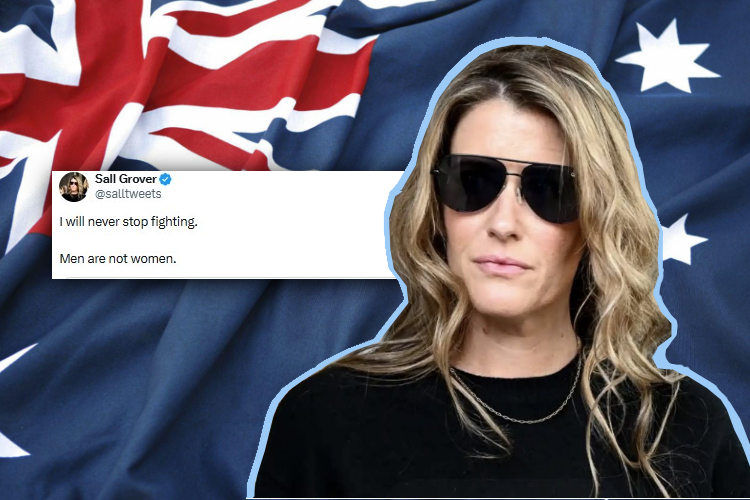
Sall Grover is leaving Australia, but not the fight. Following the High Court's refusal to hear her appeal in Giggle v. Tickle, Grover declared she will not call a man a woman — whatever the law says. She won't stop fighting until the law changes.
16 September 2026
3.8 MINS
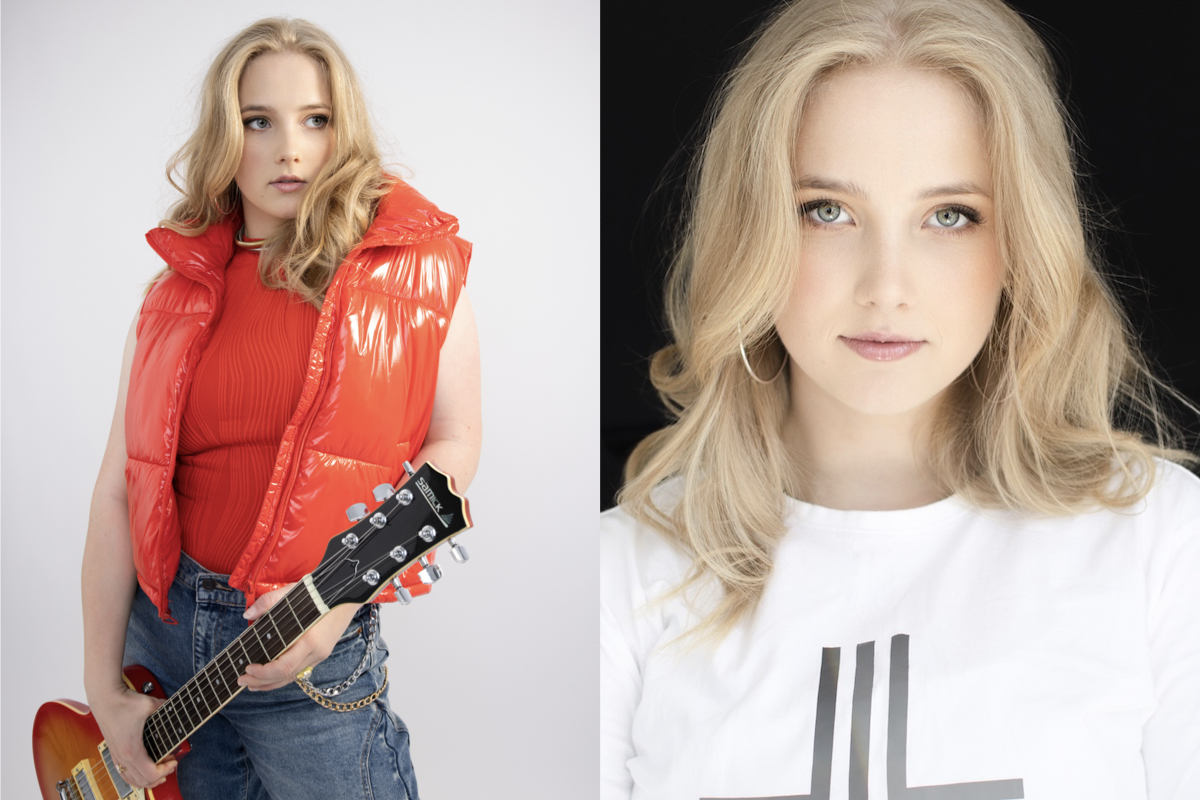
Adelaide-based pop artist LILLI has been named Australian Emerging Artist of the Year at the 2026 People’s Choice Awards, capping a landmark year of chart success, her debut album Anthropology and songwriting work in Nashville. The South Australian Christian artist was one of three finalists represented by Adelaide independent label Australian Christian Records.
16 September 2026
6.7 MINS
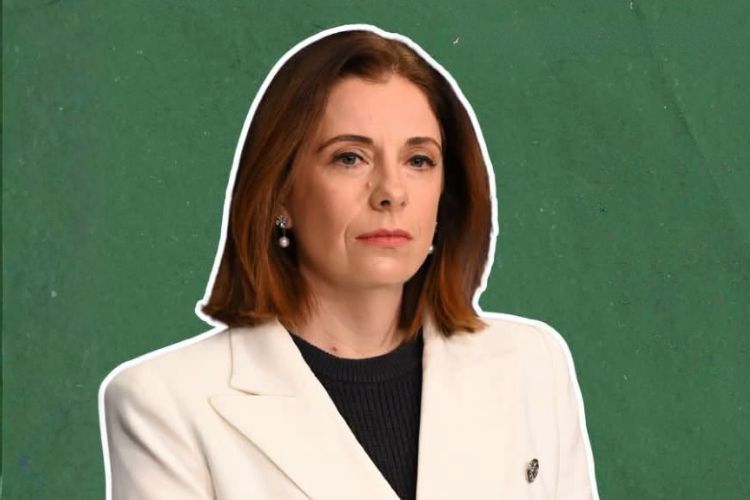
When Dr Paul Tyson hand-delivered a letter opposing the Digital Duty of Care bill to his local MP's office, he expected a brief exchange. Instead, he left feeling patronised, unheard, and more alarmed than ever.
16 September 2026
3.2 MINS
Before it was ‘Dignity in Dying’, the euthanasia lobby was founded by a medical eugenicist who called the sick a “useless burden”. That dark history didn't disappear — it was just rebranded.
16 September 2026
2.2 MINS
Thirty-seven years after the Berlin Wall fell, socialism is gaining popularity among Americans with no memory of life behind the Iron Curtain. History, however, tells a very different story.
15 September 2026
5.1 MINS
Joshua Broome was a porn star with fame, money, and a drug overdose planned. Trapped in deep shame and guilt, he found forgiveness and his true identity in Jesus Christ, and is now a husband, father, author and pastor.
15 September 2026
3.2 MINS
Many Christians avoid J. K. Rowling's Harry Potter series due to a perceived conflict between its themes and Biblical Christianity. Yet according to the author of a recent biography of J. K. Rowling, there is much more to the picture.


