



Could Covid-19 have a Silver Lining?
These are turbulent and tumultuous times. According to Scott Morrison, the Australian Prime Minister, not since the First World War has the government enacted such far-reaching political measures. Of particular importance to churches, all “non-essential” indoor gatherings of more than one hundred people will no longer be permitted. What’s more, these restrictions will be in place for at least the next six months…!
While this is definitely a testing time, if you’re a Christian then it’s also a God-given opportunity. We know this because the Bible teaches that all disasters are under His good and gracious hand (see Matt. 10:29-31; Rom. 8:28-39; Rev. 6:1-11). As the Rev. Dr. Peter Barnes, Moderator-General of the Presbyterian Church of Australia recently wrote:
All disasters come from God. (Amos 3:6; Isa. 45:7; Lam. 3:38) This is a startling truth, especially in today’s age of soft gods, but it is the truth nevertheless. God warned Israel that if the people set their face against Him, He would set His face against them. ‘I will visit you with panic,’ He declares. (Lev. 26:16)
The biggest question—and challenge—before believers now is, “What does Christ want me to do?” Rodney Stark writes in his book The Rise of Christianity (HarperOne, 1996) that how the early Church responded to the threat of plague was one of the deciding factors in the spread of Christianity. This was because while the pagans fled, leaving their friends and family behind, the followers of Jesus stayed to take care of them.
The Emperor Julian wrote a letter to the high priest of Galatia in A.D. 362 stating:
The impious Galileans support not only their poor, but ours as well, everyone can see that our people lack aid from us.
One hundred years earlier, in A.D. 260 the bishop Dionysius wrote in his Easter letter an awe-inspiring description of how the early Christians had responded during a previous plague:
Most of our brother Christians showed unbounded love and loyalty, never sparing themselves and thinking only of one another. Heedless of danger, they took charge of the sick, attending to their every need and ministering to them in Christ, and with them departed this life serenely happy; for they were infected by others with the disease, drawing on themselves the sickness of their neighbours and cheerfully accepting their pains. Many, in nursing and caring for others, transferred their death to themselves and died in their stead… the best of our brothers lost their lives in this manner, a number of presbyters, deacons and laymen winning high commendation so that death in this form, the result of great piety and strong faith, seems in every way the equal of martyrdom.
Stark persuasively argues that if pagan society had “not been disrupted and demoralised by these catastrophes… Christianity might never have become so dominant a faith”. He gives the following three reasons:
First, according to Stark, “The epidemics swamped the explanatory and comforting capacities of paganism and of Hellenic philosophies. In contrast, Christianity offered a much more satisfactory account of why these terrible times had fallen upon humanity, and it projected a hopeful, even enthusiastic, portrait of the future.”
Second, Stark argues that the, “Christian values of love and charity had, from the beginning, been translated into norms of social service and community solidarity. When disasters struck, the Christians were better able to cope, and this resulted in substantially higher rates of survival. This meant that in the aftermath of each epidemic, Christians made up a larger percentage of the population even without new converts.”
Third, Stark makes the helpful sociological observation that: “When an epidemic destroys a substantial proportion of a population, it leaves large numbers of people without the interpersonal attachments that had previously bound them to the conventional moral order. As mortality mounted during each of these epidemics, large numbers of people, especially pagans, would have lost the bonds that once might have restrained them from becoming Christians. Meanwhile, the superior rates of survival of Christian social networks would have provided pagans with a much greater probability of replacing their lost attachments with new ones to Christians. In this way, very substantial numbers of pagans would have been shifted from mainly pagan to mainly Christian social networks.”
There is no doubt that as a nation there will be many difficult days ahead. Already we are experiencing numerous disruptions and inconveniences to our daily routines. And there is also a possibility that some of us will experience the grief of sickness and sadly even death.
But it’s the sure and certain hope of resurrection that gives us courage to act. Because we know that all of these things are under a loving God’s sovereign hand. That He is working all things together for good for those who love Him. And that because our future has been eternally secured, we can pour ourselves out in love to those who have need of it, for even Covid-19 is part of a much greater plan. (Gen. 50-19-21)
2 Comments
Leave A Comment
Recent Articles:
22 September 2026
6.3 MINS
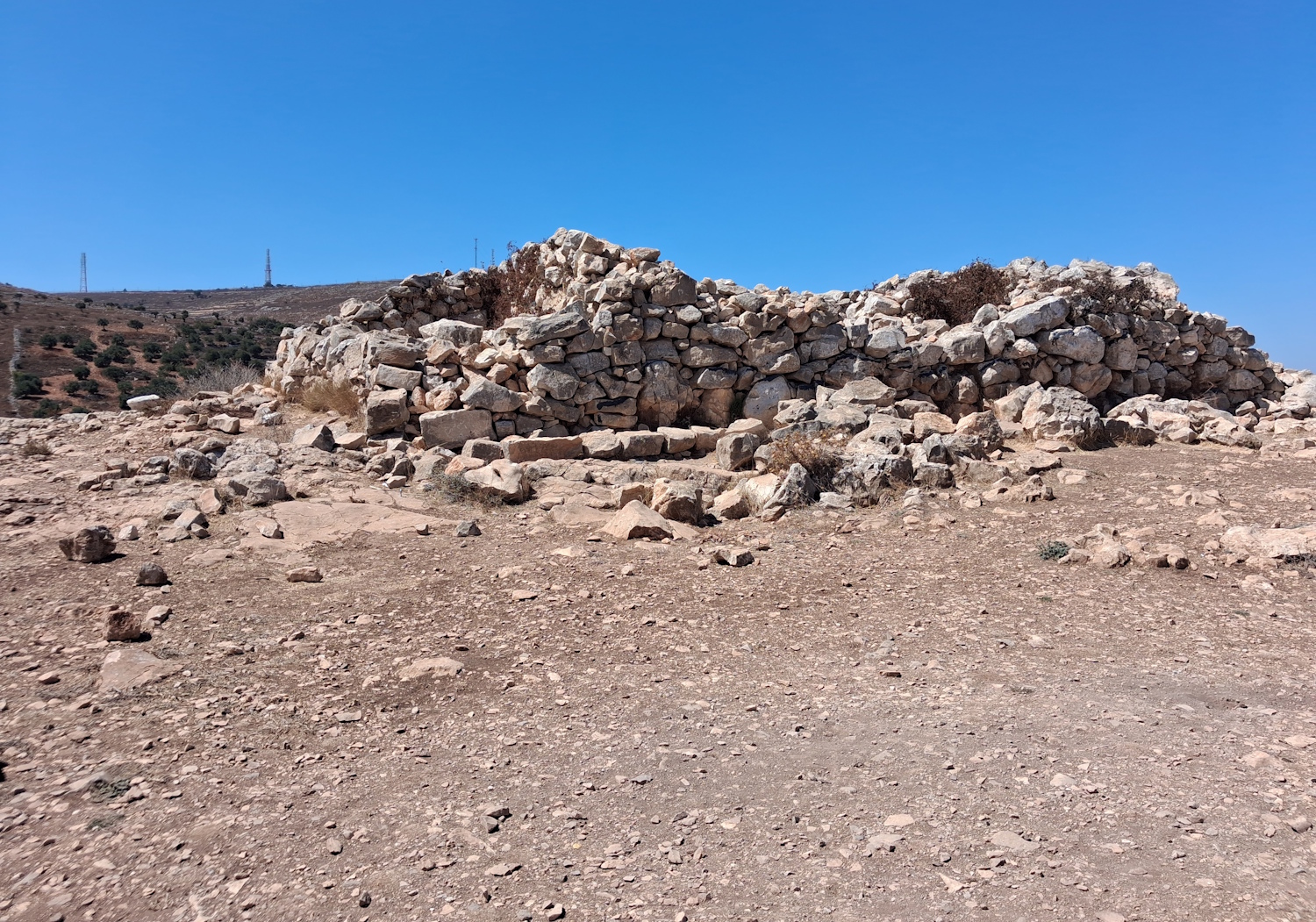
A remarkable journey to Mount Ebal explores Joshua’s altar, fascinating archaeological discoveries and the enduring biblical significance of Samaria and Israel’s ancient heritage.

22 September 2026
2.9 MINS
A downed US airman credits God, training and teamwork after surviving a devastating fall over Iran and enduring a remarkable rescue mission.

22 September 2026
3.8 MINS
Alex Antic’s grassroots victory gives South Australia’s Liberals a chance to rebuild from within — but federal intervention could turn renewal into rebellion.

22 September 2026
2.4 MINS
Science is a method, not a belief system. From Tamiflu to past medical failures, this piece asks what happens when consensus replaces scrutiny and evidence.
21 September 2026
4.4 MINS
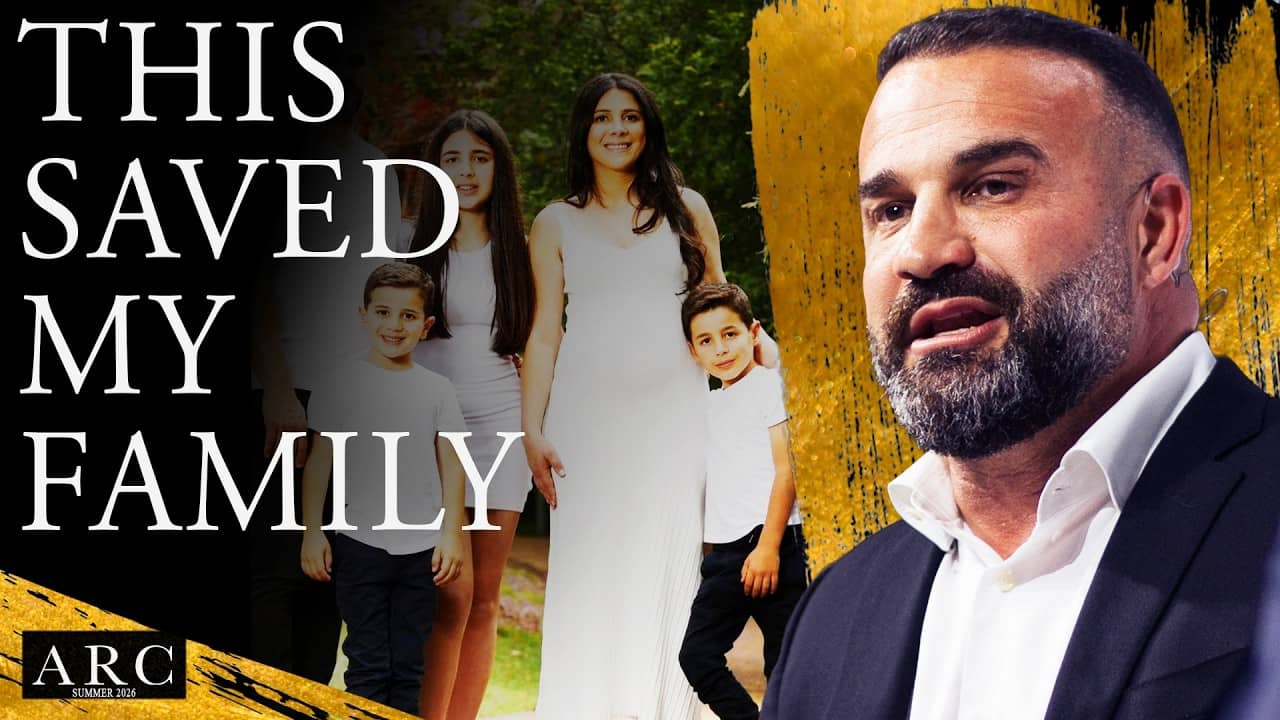
Forgiveness is a choice, not a feeling. That was the message Danny Abdullah brought to London's ARC conference, sharing how he and his wife chose to forgive the man who killed three of their children.
21 September 2026
4.4 MINS
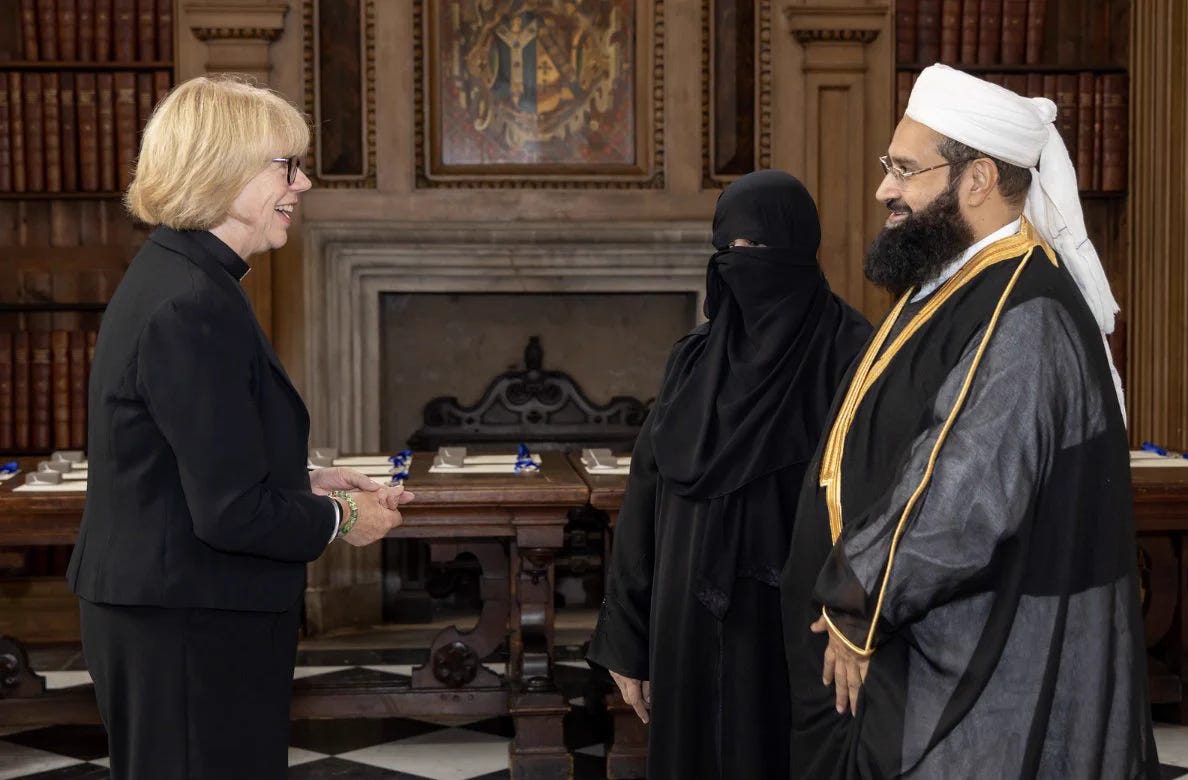
On September 11, the Archbishop of Canterbury gave an interfaith award to a man who called Osama bin Laden the "Sword of God" and blames Jews and Christians for the war on Iran. The award was rescinded after public backlash.

21 September 2026
8.5 MINS
After a 20-week scan revealed possible heart abnormalities and genetic concerns, medical staff twice offered to abort a Christian couple's baby. Six weeks of fervent prayer later, the heart defect was gone — and their son is nearly ready to be born.



Great article, I wasn’t aware of this – thank-you – very encouraging.
If only our Christian leaders would remember this charity and self sacrifice in care for those less fortunate in times of no crisis. How can a christian leader refuse to raise support payments above the poverty line, or cut funding for public health and education in order to further line the pockets of those who already have more than enough?
A real answer would be appreciated. Obfuscation is very telling.