


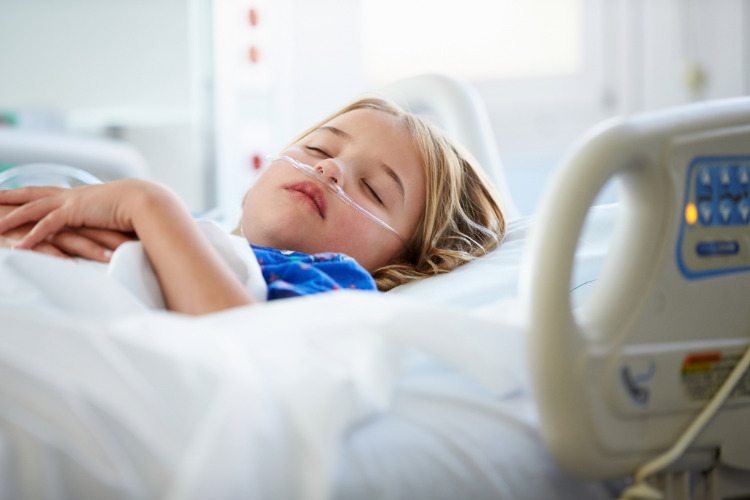
Child Euthanasia Begins in the Netherlands
The first reported case of euthanasia under the Netherlands’ expanded rules for children under 12 has reignited ethical concerns about disability, suffering and the protection of vulnerable lives.
Euthanasia was legalised in the Netherlands in 2002, provided that it would be “voluntary and well-considered”. However, in 2024, this provision was relaxed to permit children between one and 12 to be euthanised.
The first case under the new law was recently reported by the Dutch authorities. An almost 24-month-old girl was given a lethal injection in 2025 after her parents and her doctors decided on her behalf that her suffering was “intolerable” and “hopeless”.
The Dutch have a euthanasia review committee which assesses whether the stipulated procedures have been followed properly. It found that “the physician had acted with due care.”
The little girl was certainly severely impaired. She was born prematurely at 26 weeks and suffered severe brain damage. As a result, she had constant epileptic fits, was probably blind, was mentally impaired, and had difficulty in swallowing.
The Dutch authorities apparently decided that these handicaps placed the baby in a different category of humanity.
“All facets of ‘being human’ in terms of motor skills, behavior and personality were seriously affected, and this would not improve,” the committee reported.
“Despite all the medical and non-medical interventions, the parents and the doctor saw no improvement in the child’s condition and were convinced that the child was suffering unbearable and hopeless.”
Second Opinion Challenged the Need for Euthanasia
However, the parents did seek a second opinion — and those doctors disagreed with their colleagues.
“These doctors found that there was no continuous unbearable suffering at that time. The epilepsy was accompanied by a lot of discomfort, but the epileptic seizures were not continuous.
“Their conclusion was that there were other reasonable solutions, such as palliative options and drug alternatives that could possibly lead to better seizure control of epilepsy,” the committee reported.
The treating doctor and the parents sought a third opinion and found a doctor who agreed that euthanasia was the only option.
Bioethicist Warns of a Slippery Slope
Professor Theo Boer, a well-known bioethicist at the Protestant Theological University in the Netherlands, observed that child euthanasia was thankfully still rare. “When the scheme was introduced in 2024, five to ten cases per year were assumed,” he told the Reformatorisch Dagblad. However, this is the first time.”
Nonetheless, he fears that this is a slippery slope.
“We may have to get used to the idea in a few years. I do not consider it impossible that the number of active life terminations in children under the age of 12 will eventually become much higher.”
And terminating children’s lives could have knock-on consequences, he said. “I see a parallel with euthanasia in elderly people with dementia. If parents can ask for an end to life for their incapable child, why shouldn’t an adult be allowed to do that for his father or mother with dementia?”
Euthanasia of infants under one is condoned in the Netherlands but not, strictly speaking, legal. Under an agreement forged by doctors and prosecutors in 2005 called the Groningen Protocol, babies can be given a lethal injection if they are suffering unbearably. At the moment, deaths under the protocol are rare.
___
Originally published at The Catholic Weekly. Image courtesy of Adobe.
Recent Articles:
14 October 2026
6.7 MINS
A national poll challenges claims that pro-life Australians are extremists, revealing broad support for abortion restrictions, protections for unborn babies and safeguards for vulnerable women.

14 October 2026
2.8 MINS
Queensland recorded 1,082 assisted suicide and euthanasia deaths in 2025–26, as the review board called for consultation on potentially widening eligibility criteria.

13 October 2026
2.6 MINS
Allegra Spender’s proposed bill reignites debate over discrimination protections, religious freedom and the right of faith-based schools to uphold their beliefs and values.

13 October 2026
3.9 MINS
Tasmania’s proposed conversion practices law raises serious concerns for churches, parents and faith-based schools, with broad definitions, severe penalties and uncertain protections for religious freedom.
13 October 2026
2.1 MINS
Victoria’s assisted dying deaths have surged by 300 per cent since legalisation, while a disturbing case involving a patient’s partner raises urgent questions about safeguards.

12 October 2026
3.2 MINS
Your support has helped us change the world for the better, as Dads4Kids has poured our heart, soul and finance into the global promotion and celebration of International Men’s Day.

7 October 2026
4.6 MINS
Medicine was created to heal and preserve life. Yet abortion, euthanasia and gender medicine increasingly redefine death and destruction as care, leaving the vulnerable dangerously exposed.


