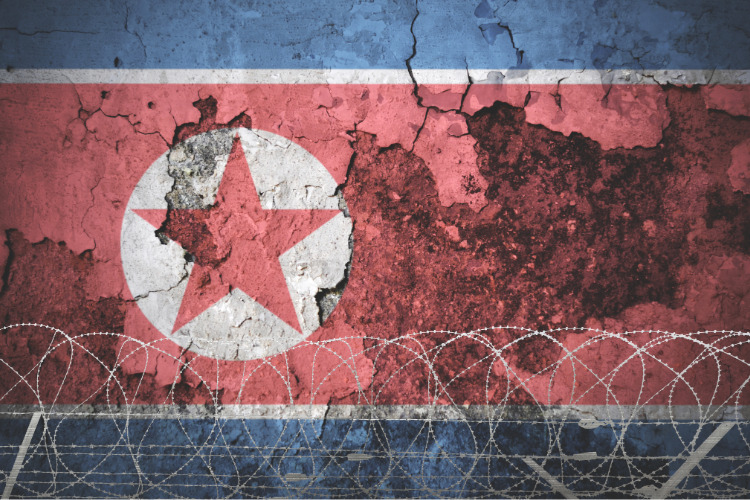
A Death Sentence for Believing: Christianity in North Korea
North Korea’s underground Christians face imprisonment, forced labour and even death for following Christ, yet their faith endures despite decades of brutal communist persecution.
Imagine living in a country where possessing a Bible could cost you your life, where gathering to worship Christ must take place in absolute secrecy, and where even the discovery of your religious beliefs could condemn your entire family to imprisonment.
For millions living under the iron grip of North Korea’s communist dictatorship, religious freedom is little more than an illusion. Christianity, once deeply rooted in the country’s history, has become one of the most brutally suppressed expressions of faith under the regime of Kim Jong-un.
Pyongyang’s Christian Heritage Destroyed by Communism
Before the division of the Korean Peninsula, Pyongyang was widely recognised as one of the great centres of Christianity in East Asia. Churches flourished, missionaries established Christian institutions, and the Gospel spread throughout the Korean Peninsula.
Yet following the establishment of communist rule under Kim Il-sung in 1948, this once-thriving Christian presence was systematically dismantled. As highlighted by Crossing Borders: “According to State Department reports, 1,500 churches in North Korea were destroyed in the early decades under the communist ruling.” Decades later, the persecution has not disappeared. Under Kim Jong-un, Christianity remains treated as a threat to the authority and ideology of the state.
The possession of a Bible, participation in unauthorised worship, or association with Christian missionaries can expose believers to imprisonment, forced labour, torture and even execution. Behind the country’s heavily guarded borders, an underground Christian community continues to cling to its faith, often at extraordinary personal risk.
Tens of Thousands Imprisoned for Their Faith
The sheer scale of this persecution is difficult to comprehend. According to Global Christian Relief, citing estimates from the US State Department, approximately 50,000 to 70,000 North Koreans were imprisoned for their Christian faith. These are tens of thousands of men, women and potentially entire families whose lives have been torn apart for refusing to abandon their religious convictions.
Behind these estimates are individual human beings: parents separated from their children, husbands and wives torn from their families, and believers condemned to years of forced labour simply for possessing a Bible or gathering with fellow Christians.
In a country where the state demands absolute loyalty to its ruling dynasty, allegiance to Christ can be treated as an act of political defiance. This hostility towards Christianity became firmly entrenched under Kim Il-sung, whose government demanded unquestioning loyalty to the ruling dynasty.
Religious organisations were regarded as a threat to the authority of the state, and independent expressions of faith were systematically suppressed. This environment of repression would endure through successive generations, leaving Christianity to survive largely through secrecy and the courage of those unwilling to abandon their faith.
A Modern-Day Persecution Echoing the Early Church
The suffering of North Korea’s Christians also forms part of a much longer history of Christian persecution. The earliest followers of Christ faced imprisonment, torture and execution under the Roman Empire, particularly during periods when Christians were expected to demonstrate loyalty to the authority and religious institutions of the state.
Yet the Church survived. The Roman Empire could imprison believers and execute martyrs, but it could not extinguish their faith.
Nearly two thousand years later, Christians living in secret behind North Korea’s closed borders face a very different world, but a similar challenge: whether they will remain faithful to Christ when doing so may come at an extraordinary personal cost. Their circumstances are a sobering reminder that Christian persecution is not merely a tragedy of the past, but a reality still endured by believers today.
The Gospel Endures Behind North Korea’s Closed Borders
For Christians living in freedom, the persecution of believers in North Korea should not simply be a distant tragedy that we read about and forget. While most of us cannot fully comprehend the risks faced by those who worship Christ behind North Korea’s closed borders, we can remember them in our prayers, raise awareness of their suffering and support organisations working to assist persecuted Christians and North Korean refugees.
Above all, Christians around the world should remember that these believers are not strangers, but brothers and sisters in Christ, whose faith continues despite circumstances most of us will never have to endure. Thus, despite decades of persecution, imprisonment and attempts to eradicate Christianity, the faith has not disappeared from North Korea.
Even in the face of extraordinary suffering, believers continue to hold firmly to Christ, gathering in secret and risking everything to preserve their faith. Their courage is a reminder that no government, however oppressive, can ultimately extinguish the hope found in the Gospel.
The persecution of Christians in North Korea is not simply a story of religious oppression, but a testament to the extraordinary endurance of faith under the most hostile of circumstances. As Christ declared in Matthew 16:18,
“I will build My church, and the gates of Hades will not overcome it.”
___
Image courtesy of Adobe.
Recent Articles:
11 November 2026
1.9 MINS
The Australian Christian Values Checklist for the 2026 Victorian State Election is now available. This simple, practical resource compares political parties on issues of particular concern to Christians, including life, faith, family and religious freedom.
11 November 2026
3.3 MINS
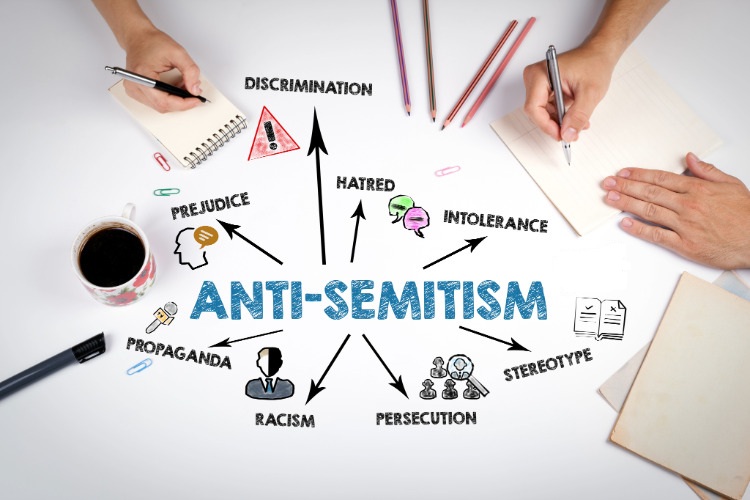
Indigenous Friends of Israel International warns that antisemitism must be confronted across the political spectrum, defending Jewish Australians while protecting legitimate criticism and freedom of expression.
11 November 2026
4.6 MINS
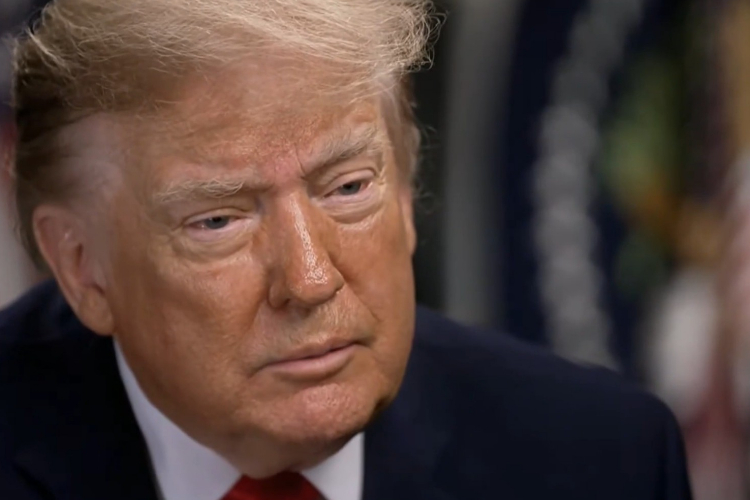
Donald Trump’s candid admission that he struggles to forgive his enemies has sparked debate, but Franklin Graham’s response points to a far more important question: salvation.
10 November 2026
14.4 MINS
As Victorians prepare to vote on 28 November, this election guide examines Labor’s record and the competing policies on the economy, infrastructure, housing, crime, agriculture and social issues.
10 November 2026
3.4 MINS
Questions surround the National Redress Scheme’s assessment process, with credible institutional evidence being ignored, undermining trust and fairness.
10 November 2026
6.1 MINS
After selling their Perth home, one family is relocating from Australia to Bali, seeking a more affordable lifestyle, greater freedom, values-aligned childcare and more time together.
10 November 2026
6.5 MINS
Republicans suffered major Senate defeats in the 2026 midterms, but poor candidate choices, presidential endorsements and voter dissatisfaction may explain more than a nationwide backlash.