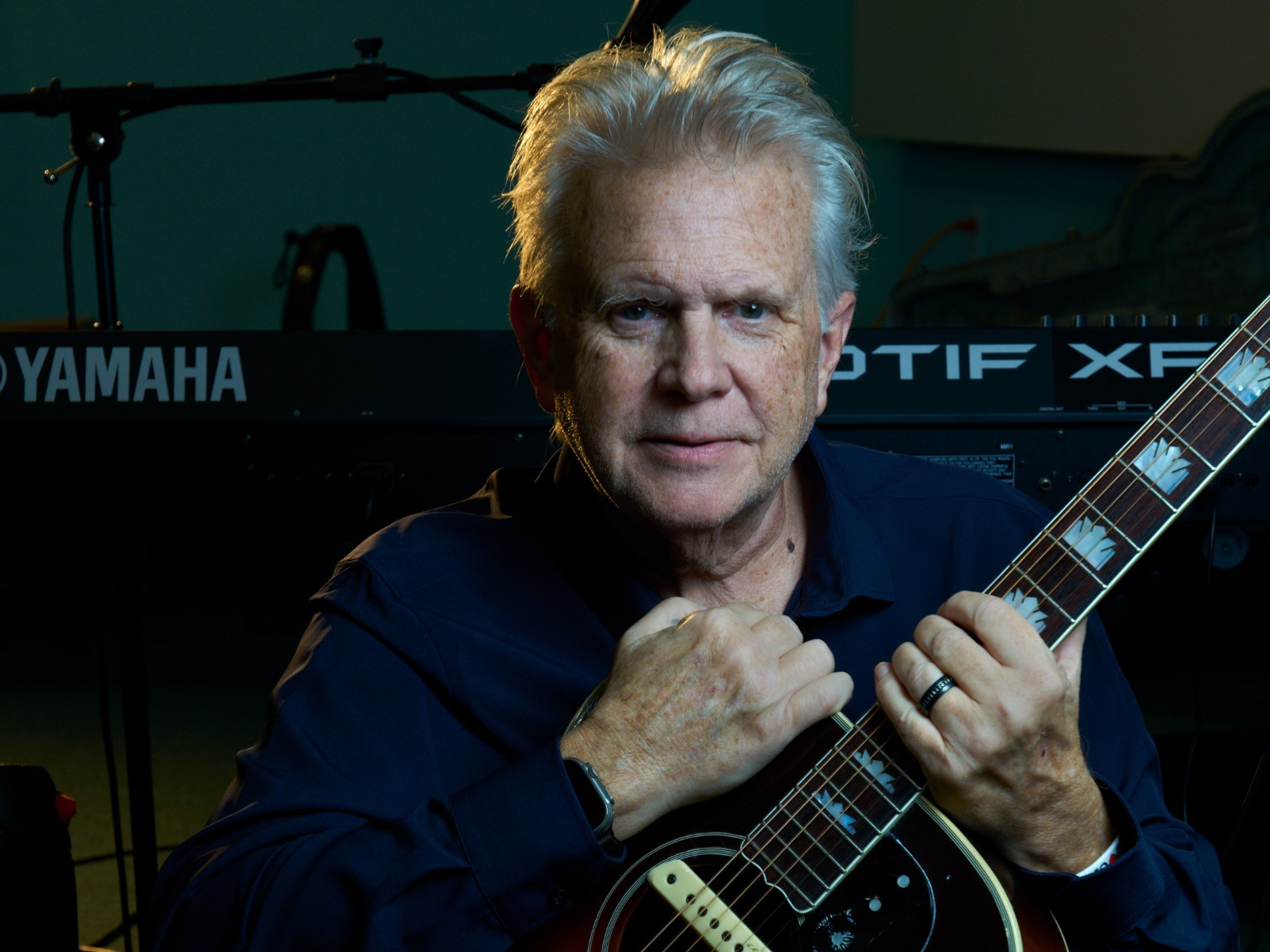
Steve Camp: The Voice That Challenged the Church
The influential Christian artist, who passed away at age 71, believed that Christian music could become incredibly successful at serving believers while simultaneously losing its power to reach the rest of the world. He explained exactly why in a striking interview back in 1988.
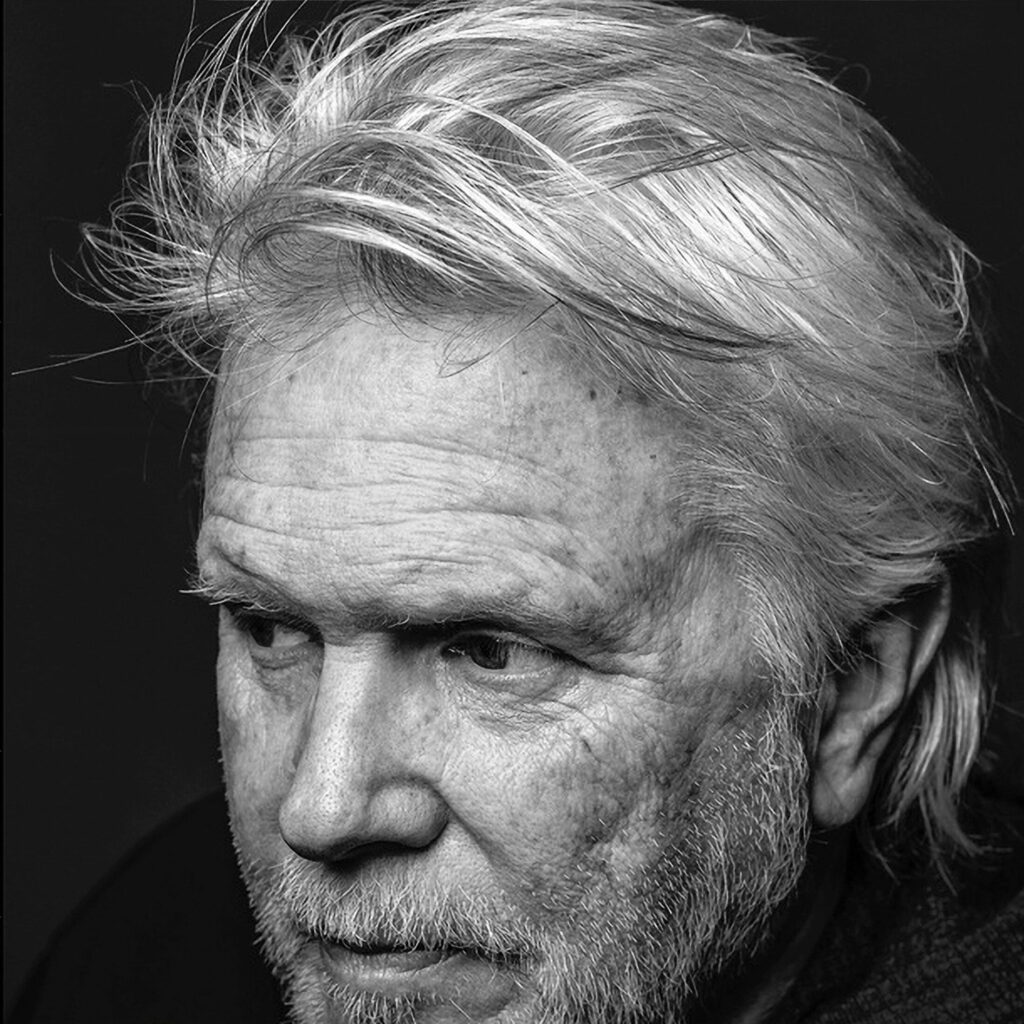
Steve Camp
Steve Camp was never one to make Christian music “comfortable”.
The American singer, songwriter, and pastor died on November 11, 2026, after a battle with heart failure*. He spent more than fifty years sharing the Gospel through his music and ministry.
But alongside his massive musical success, he had a constant worry: that Christian music might become so focused on catering to its own audience that it would lose its ability to influence anyone outside that circle.
He expressed this concern with real conviction during an interview in Australia in 1988, and it became a defining theme of his ministry long after his biggest hits.
“We have taken music and have so made the message of the Gospel something you can listen to in an elevator, that it has ceased to have impact on the culture,” he noted.
It was a blunt assessment of an industry that was actually growing quite fast at the time.
Camp felt Christian music was becoming too safe, too packaged, and, in many ways, too disconnected from the very people it was supposed to reach. He wasn’t just criticising the sound; he was questioning the whole purpose behind it.
The Danger of Getting Too Comfortable
Camp was worried that Christian music was building its own little subculture, complete with its own books, restaurants, clothes, and entertainment. While there’s nothing wrong with those things on their own, he wondered if this bubble was just encouraging believers to hide away from the rest of the world.
He used to joke about Christian jeans, Christian cookies, and even Christian-branded Tabasco sauce, but there was a serious warning behind the humour.
“The church has bought its own press release,” he suggested, arguing that Christians were too easily impressed by the mere appearance of success. He believed popularity could be dangerous if it came at the cost of true conviction.
“There are two things we can’t handle: prosperity and popularity,” he said.
For Camp, the goal wasn’t to make Christian music more commercially appealing. It was to make sure the message stayed powerful enough to actually challenge people. This applied to the artists, too. He wanted music that could speak to the church, push individual believers, and reach people who had no connection to Christianity at all.
He often thought back to the excitement of the early Jesus Movement, when artists like Larry Norman, Andraé Crouch, and Second Chapter of Acts were taking their music directly to people outside of traditional church settings. He remembered seeing Larry Norman singing on a street corner in Dallas, where a policeman ended up on his knees as Norman led him to the Lord.
“That was Christian music,” Camp said. “That’s what it was meant to do.” He feared that the rise of a Christian subculture had pushed that original mission aside.
The Message Had to Start at Home
What made Camp’s criticism so hard to ignore was that he didn’t exempt himself. While his songs often addressed the state of the church, he explained that many of the lyrics were actually aimed at his own flaws.
“When I say ‘you’ in the songs, I’m not referring to people around. I’m looking in the mirror and speaking to myself.”
His album Fire and Ice marked a major turning point. After a difficult stretch where he barely recorded or performed, Camp decided he had to choose: would his music just offer positive vibes, or would it speak directly about Jesus Christ? Songs like Shake Me to Wake Me and What Would the Devil Say About Your Life? showed a growing sense of urgency.
He was also very honest about his own struggles, admitting that his biggest problem wasn’t drugs or alcohol, but self-righteousness.
“I had more of an addiction to pride than people do to alcohol,” he admitted.
That was a huge distinction. Camp wasn’t trying to act like he was better than other Christians. He knew that spiritual renewal had to start with himself. His take on “Cheap Grace” was just as challenging. He wasn’t questioning the cost of Christ’s sacrifice, but rather how Christians could acknowledge that sacrifice while failing to let it change their lives. He believed grace should lead to a transformed life, not just serve as an excuse to stay the same.
Changing the World One Person at a Time
One of the most telling moments in that interview was when Camp talked about his song One on One, which encouraged ordinary people to make a difference in their own circles. He rejected the idea that you need a huge platform or a massive concert to have a meaningful ministry.
He told a story about a young woman who approached him after a show. She told him she wished she could do what he did and sing for thousands. When he asked about her own life, she explained that she spent her time teaching three deaf children how to speak and hear.
Camp was deeply moved by that.
“We have bought the lie that teaching three deaf children how to speak is not relevant, but singing before three thousand is relevant. Nothing could be further from the truth.”
It was a reminder that ministry isn’t about audience size. He wanted people to see that changing the world can happen through simple acts of kindness, integrity, and service. Whether it’s someone working in a factory or a neighbour helping with a flat tyre, those things matter. It was a refreshing perspective from someone whose own career was built on big stages and recording studios.
A Voice Ready to Challenge the Status Quo
As time went on, Camp became even more willing to question the establishment. In 1997, he released The 107 Theses, a document modelled after Martin Luther’s declarations. He challenged artists and record companies to put Biblical integrity and the Gospel ahead of making money. It was controversial, but his stance had been clear since that 1988 interview.
He wasn’t just being critical for the sake of it, though. He acknowledged the need for unity among Christians, even when they disagreed on musical styles. He once remarked that arguing over whether Christian rock was “stupid” was a waste of time. To him, the real question wasn’t how the music sounded, but whether it faithfully communicated Christ.
His own music reflected this range. He could record contemporary rock and then turn around and give a classic hymn like When I Survey the Wondrous Cross a new life. He also wrote Bobby, a deeply personal song about the loss of his brother, which was later adapted into the Grammy-winning song Martin by Shirley Caesar.
The Gospel Music Association noted a career that spanned more than 50 years, including 22 albums and dozens of hits. But the numbers don’t tell the whole story.
A Legacy of Questions
Toward the end of that 1988 conversation, Camp explained why writing about holiness felt like such a heavy responsibility.
“It’s tough to write about a lifestyle that demands a supernatural explanation. Because if I’m going to write that, that means at some point I’m responsible to live that.”
He knew the message couldn’t just be performed; it had to be lived. He wanted Christians to be “living Bibles” so that people could see their faith in action. He pointed to his own mother as an example, noting how she spent years helping troubled families and people on the margins.
The announcement from his family after his death echoed this. They described a man whose greatest desire was to make much of Jesus Christ.
Steve Camp leaves behind a massive musical catalogue and a history of challenging the industry. But perhaps the most important thing he leaves us is the question he was asking decades ago: Can Christian music become so successful at serving Christians that it stops being effective at reaching the world?
Camp believed that was a danger we had to face. He didn’t want artists to just make music that believers enjoyed; he wanted them to stir the church and push the message of Jesus beyond the walls of the Christian community.
Nearly 40 years after that interview, the challenge is still there. Steve Camp wasn’t content with just singing about changing the world.
He wanted the church to get out there and do it!
___
Image courtesy of Real Steve Camp.
Recent Articles:

19 November 2026
4.4 MINS
Amanda Flavell is campaigning for Swiss-style direct democracy in Australia, giving citizens greater power to challenge legislation and influence decisions on climate policy, censorship and women’s rights.

19 November 2026
2.5 MINS
Ben Carroll struggled to distance himself from Labor’s troubled 11-year record in a bruising leaders’ debate, while Jess Wilson looked every inch a Premier-in-waiting.

18 November 2026
4 MINS
Halloween and funeral plans may help us confront the practicalities of death, but neither addresses the most important question: where will we spend eternity?

18 November 2026
5.2 MINS
True heavenly joy is not found in earthly pleasures or activities, but in discovering the endless beauty of God’s presence and bringing others into His worship.
18 November 2026
3.4 MINS
A new AI-powered project is putting the entire Bible to music, offering 15 genres and millions of listening possibilities. But can technology capture music’s soul?

18 November 2026
2.9 MINS
Australia’s proposed digital duty of care bill aims to protect children online, but Catholic and Anglican bishops warn its vague provisions could threaten religious freedom and free speech on the internet.
18 November 2026
3.3 MINS
Britain’s proposed conversion therapy laws could criminalise parents, restrict Christian counsel and silence dissent, while a taxpayer-funded helpline’s actual call numbers fall dramatically short of claims.