
Bishops Slam Internet Censorship
Australia’s proposed digital duty of care bill aims to protect children online, but Catholic bishops warn its vague provisions could threaten religious freedom and free speech.
The Federal government’s proposed digital duty of care legislation purports to shield children from harmful content on the internet, says the Australian Catholic Bishops Conference (ACBC), but it also risks censoring religious expression online.
In a statement to a Senate inquiry earlier this month, Sydney Bishop Tony Percy declared the bill “should focus entirely on the need for protecting our children, not restricting adults in freedom of religion, freedom of expression, and legitimate, mature debate, the hallmarks of free and fair societies.”
In his view, “The bill is fundamentally flawed and should be abandoned.” The positive view of the government’s initiative was expressed by Prime Minister Anthony Albanese in October.
He said the Online Safety Amendment (Digital Duty of Care) Bill 2026 “puts a positive obligation on Big Tech to provide a safe online environment where Australians are protected from seriously harmful and illegal content, adults are given a meaningful choice about what they see on their feeds, and under 18s are protected from content and features harmful to young people.”
Online providers would risk penalties as high as $21.84 million for breaking the law.
The bill has already passed in the Lower House, and Communications Minister Anika Wells would like to see it passed in the Senate before the end of the year. The new regulations would commence 12 months after the bill becomes law.
Protecting Children or Restricting Speech?
There is widespread agreement that children are being bombarded by harmful material. The ACBC mentions well-documented harms such as “pornography, grooming, exposure to violent content, abuse, threats or cyberbullying.”
But many of the bill’s critics contend that the bill will restrict free speech on the internet.
It has come under fire from all sides of the debate — religious groups, free speech advocates, friends of Big Tech, enemies of Big Tech, and even pornographers.
The ACBC has several major reservations about the current draft of the bill.
First, it protects professional news content, educational material, and material that is in the public interest as “excluded material”— but not religious teaching.
With penalties for non-compliance so high, online providers would take a “a highly cautious and risk-averse approach to content moderation” and censor religious material as “harmful to children”.
Bishop Percy told The Catholic Weekly, “the right to religious freedom is the second most important human right after the right to life … Everyone has a responsibility, but also a right to search for the meaning of life, whether they happen to find that in Catholicism, Judaism, Buddhism, or atheism.”
Vague Definitions Could Censor Christian Teaching
Second, like other critics of the bill, the ACBC says that its definition of online harm is vague and uncertain.
For example, it cites Section 25E(1)(c), which declares that material promotes “hostile attitudes towards women or gender equality” is harmful — without defining “hostile” or “gender equality”.
Traditional teachings on ethics, relationships, and morality could easily be deemed harmful, it says. Third, it says the government would usurp parents’ rightful role as teachers of their children.
“The government should not assume primary responsibility for determining the moral values to which children may be exposed or the ideas from which they should be shielded,” the submission reads.
Fourth, everyone is disturbed by the power of social media algorithms. The prime minister stated that “as a result of the deliberate design of its algorithmic features”, social media is driving aggression, anger and negativity.
The ACBC shares the government’s concern, but it says that there should be “a clear distinction between protecting users from manipulative design practices and controlling the content they are permitted to access.”
UK Experience Offers a Warning on Online Censorship
Fifth, penalties and reporting responsibilities in the bill are designed for Big Tech, not for minnows like parishes or small publishers.
“It is difficult to justify the application of the same penalty framework to global technology platforms and small parish websites or community-based organisations with limited resources,” said the ACBC.
A submission to the Senate inquiry from Anglican Bishop Michael Stead is even more scathing.
“This has proven disastrous for freedom of expression in the United Kingdom,” Bishop Stead wrote.
It resulted in “a default model of suppression of speech and expression, where access to lawful content is no longer presumed but withheld until certain hurdles are cleared.
“The slide from safeguarding to suppression was almost instantaneous, with innocuous content blocked until age verification processes were completed.”
___
Republished with thanks to The Catholic Weekly. Image courtesy of Adobe.
Recent Articles:
18 November 2026
3.3 MINS
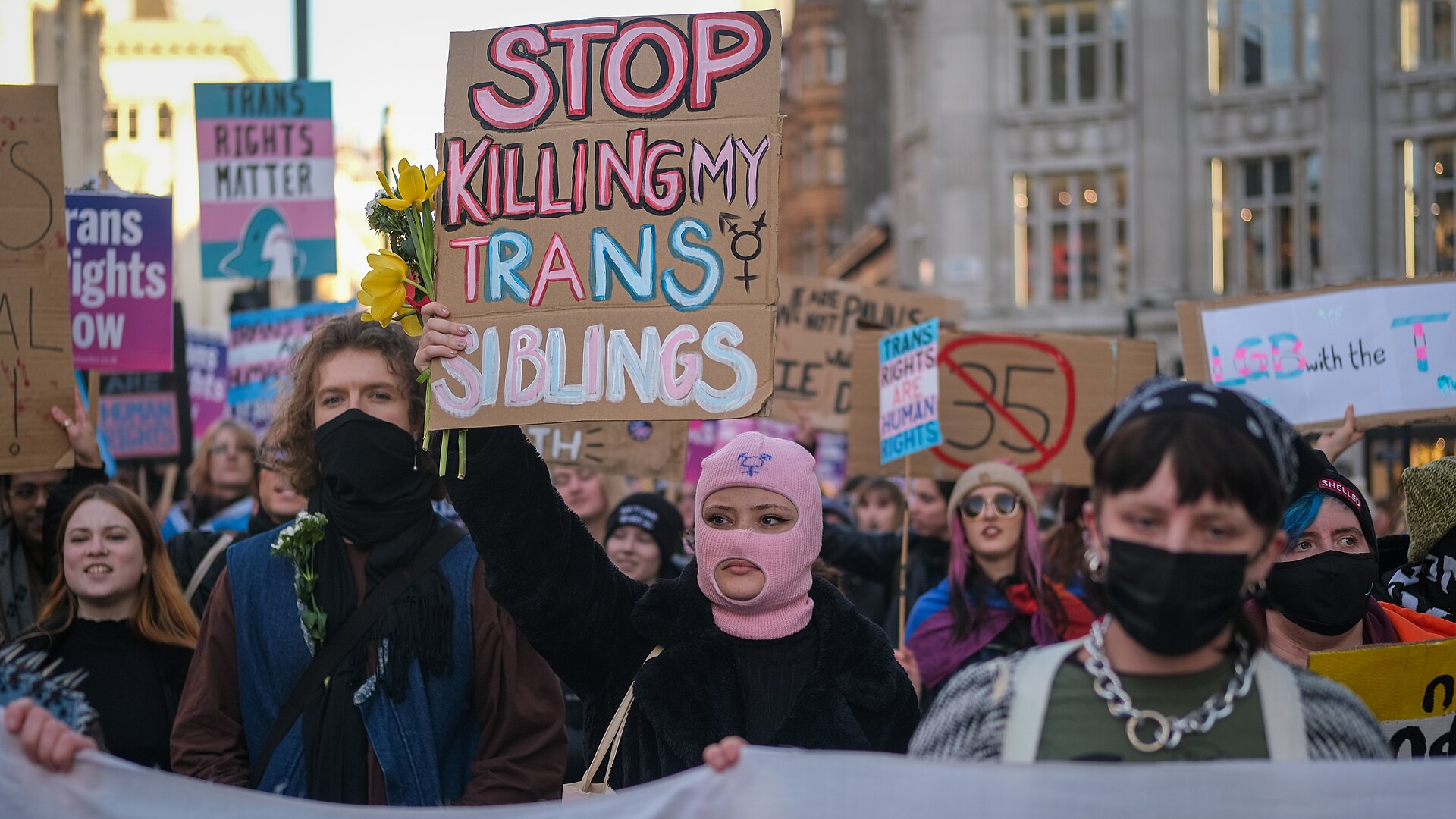
Britain’s proposed conversion therapy laws could criminalise parents, restrict Christian counsel and silence dissent, while a taxpayer-funded helpline’s actual call numbers fall dramatically short of claims.
17 November 2026
2.8 MINS
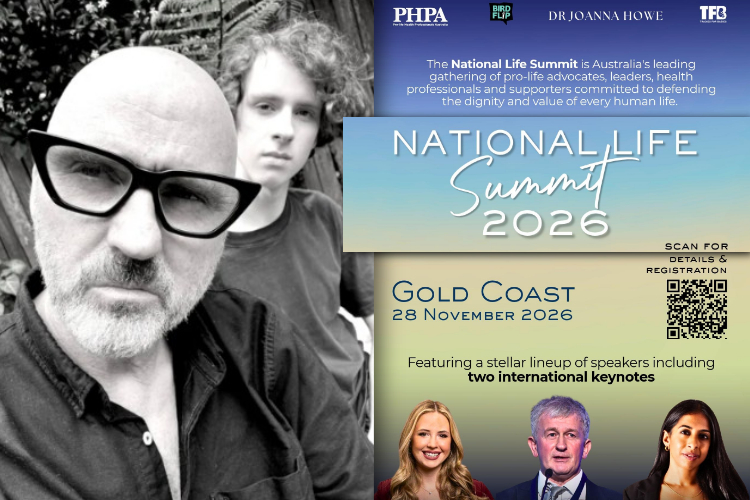
Australian singer-songwriter Jonathan Bone is breaking new ground with a bold pro-life anthem, created alongside his teenage son, celebrating the dignity and value of unborn life.

17 November 2026
2 MINS
Australia’s AUKUS submarine deal faces another bizarre objection, with senior Navy officials warning that American military policies could exclude transgender and non-binary Australian personnel.

17 November 2026
4.6 MINS
As occult practices gain popularity, are churches equipped to confront spiritual darkness? Dr Barry Manuel urges Christians to recognise spiritual warfare and prepare for deliverance ministry.
17 November 2026
1.6 MINS
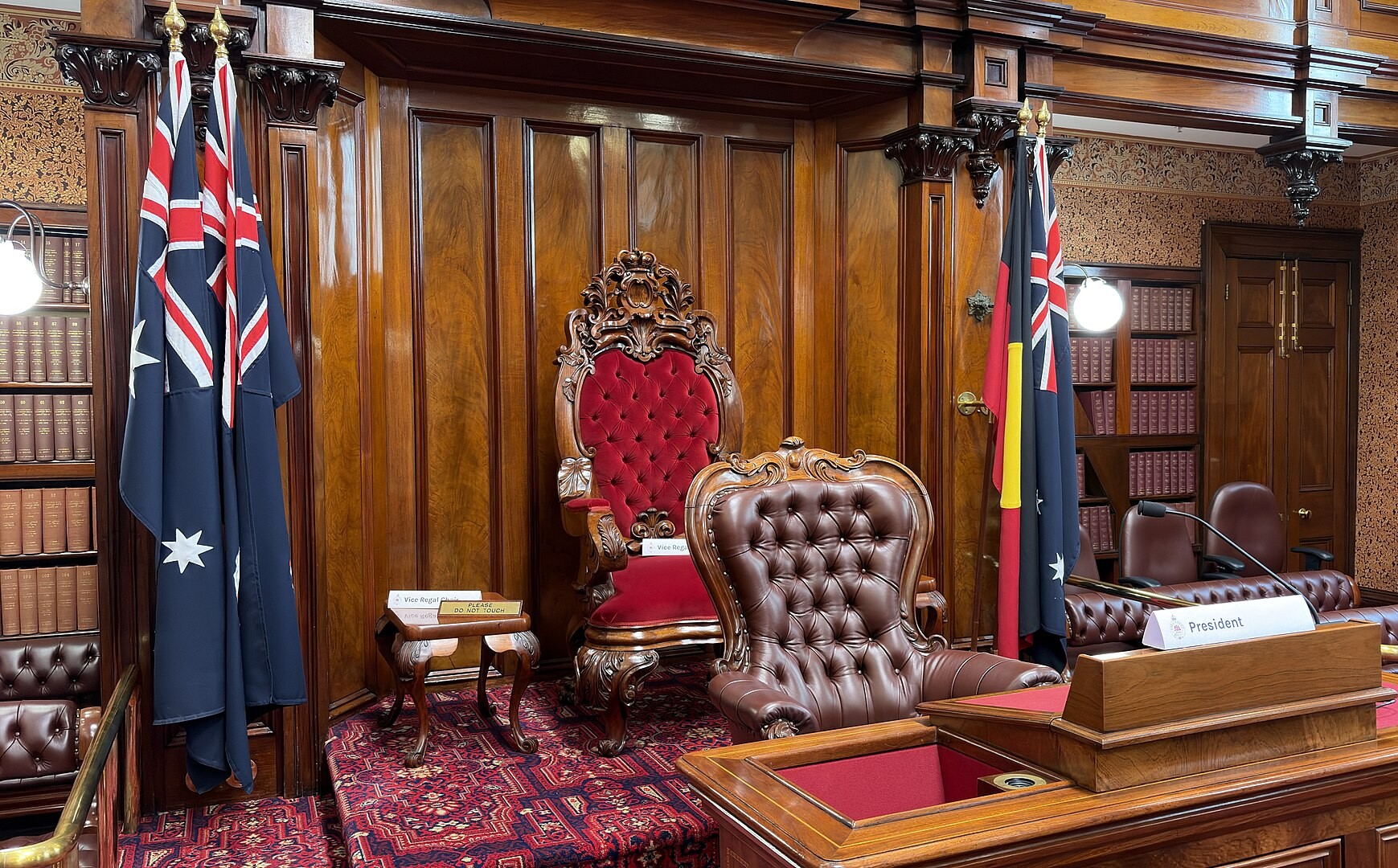
NSW Labor has devoted 31 pages of legislation to removing the pronouns "he" and "she" from state laws, raising fresh questions about its priorities and understanding of biological sex.
17 November 2026
3 MINS
Rising costs, business closures and rapid technological change are putting Australians under growing pressure. But smarter government, stronger communities and renewed purpose can help turn things around.
16 November 2026
3.6 MINS
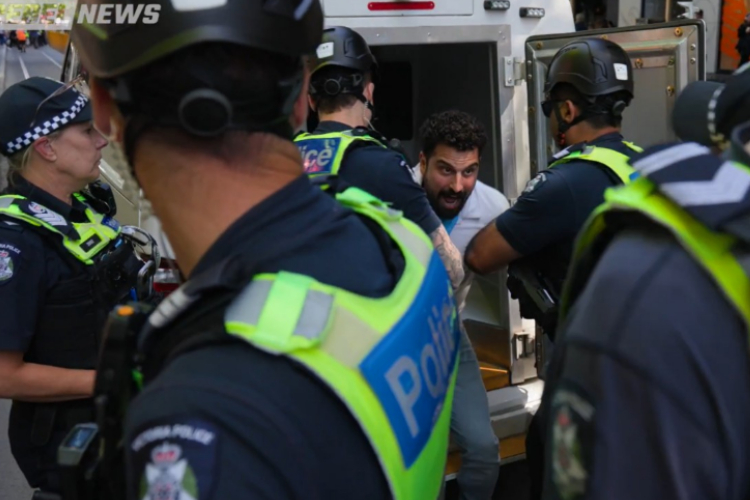
Victorian police twice detained Rebel News reporter Avi Yemini while he covered a student anti-One Nation rally, raising serious questions about press freedom and policing.