WATCH: Jonathan Isaac Explains why he didn’t kneel or wear BLM T-Shirt
It takes an enormous amount of courage to go against the crowd. And one of the most inspiring examples in recent days is that of NBA Basketball player, Jonathan Edwards. Instead of taking a knee and wearing a Black Lives Matter™ T-shirt, Isaac stood and prayed silently during the American national anthem. Later in a press interview, Isaac gave the following explanation:
CBS Sports has provided a full transcript of what Isaacs said:
“I believe that Black Lives Matter. A lot went into my decision, and part of it is, I thought that kneeling or wearing the Black Lives Matter T-shirt doesn’t go hand-in-hand with supporting Black lives. I believe that for myself, my life has been supported by the Gospel, Jesus Christ; and everyone is made in the image of God, and we all forge through God’s glory.
Each and every one of us do things that we shouldn’t do and say things that we shouldn’t say. We hate and dislike things that we shouldn’t hate and dislike, and sometimes it gets to a point where we point fingers, whose evil is worse, and sometimes it comes down to whose evil is most visible. So, I felt like I wanted to take a stand on: we all make mistakes, but I think that the Gospel of Jesus Christ is that there’s grace for us, and that Jesus came and died for our sins, and that if we all come to an understanding of that and that God wants to have a relationship with us, that we can get rid of all of the things in our world that are messed up, jacked up.
I think when you look around, racism isn’t the only thing that plagues our society, that plagues our nation, that plagues our world, and I think coming together on that message that we want to get past not only racism but everything that plagues as us as a society, I feel like the answer to that is the Gospel.”
This is what provides true reconciliation. Not vacuous political gestures, but the acknowledgement that we are all the problem. That each of us have both rebelled ‘vertically’ against our Maker as well as ‘horizontally’ against our neighbour. But following on from that though, the solution to these two things is the cross of Jesus Christ. As the apostle Paul says in Ephesians 2:13-14:
[Photo by Liz Weddon on Unsplash]“… now in Christ Jesus, you who once were far away have been brought near by the blood of Christ. For He Himself is our peace, who has made the two groups one and has destroyed the barrier, the dividing wall of hostility.”
Recent Articles:

12 November 2026
3.9 MINS
Two free tools promise to transform Christian voting in Australia, helping believers identify pro-life candidates, understand preferential voting and rank every candidate with confidence. Let us vote well in the upcoming elections.
12 November 2026
3.9 MINS
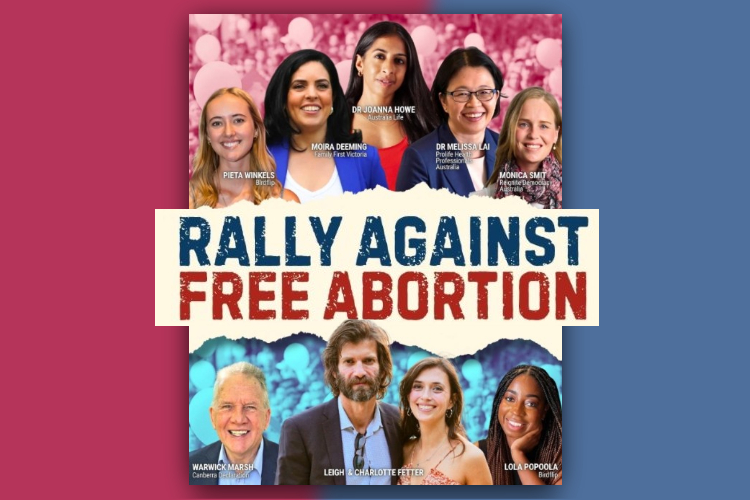
Victoria’s Presbyterian Church has condemned Labor’s promise of free abortions, with Moderator Rev Dr John Wilson urging political leaders to protect unborn children and support mothers.
12 November 2026
3.1 MINS
Andrew Denton wants to liberalise Australia’s assisted suicide laws further, but the Dutch experience raises serious questions about where voluntary assisted dying (VAD) ultimately leads and who will be affected.
11 November 2026
3.2 MINS
National Forgiveness Week could offer Australia a fresh pathway to genuine reconciliation, bringing Aboriginal voices, churches and communities together to rediscover the transformative power of forgiveness.

11 November 2026
1.9 MINS
The Australian Christian Values Checklist for the 2026 Victorian State Election is now available. This simple, practical resource compares political parties on issues of particular concern to Christians, including life, faith, family and religious freedom.
11 November 2026
3.3 MINS
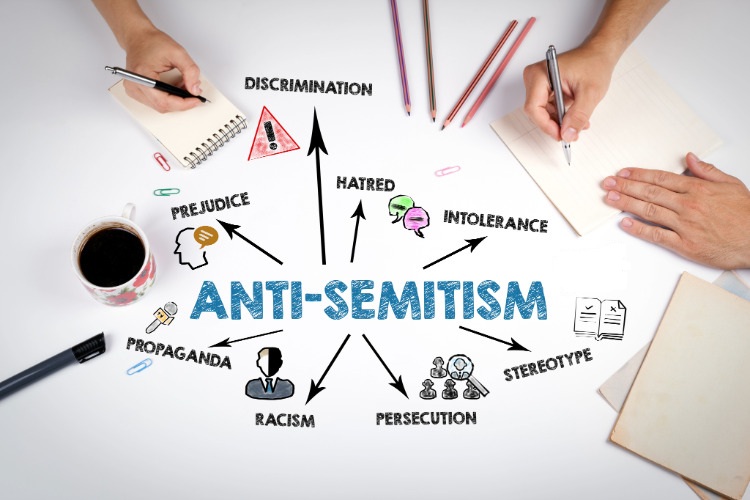
Indigenous Friends of Israel International warns that antisemitism must be confronted across the political spectrum, defending Jewish Australians while protecting legitimate criticism and freedom of expression.
11 November 2026
4.6 MINS
Donald Trump’s candid admission that he struggles to forgive his enemies has sparked debate, but Franklin Graham’s response points to a far more important question: salvation.