



WATCH: Jonathan Isaac Explains why he didn’t kneel or wear BLM T-Shirt
It takes an enormous amount of courage to go against the crowd. And one of the most inspiring examples in recent days is that of NBA Basketball player, Jonathan Edwards. Instead of taking a knee and wearing a Black Lives Matter™ T-shirt, Isaac stood and prayed silently during the American national anthem. Later in a press interview, Isaac gave the following explanation:
CBS Sports has provided a full transcript of what Isaacs said:
“I believe that Black Lives Matter. A lot went into my decision, and part of it is, I thought that kneeling or wearing the Black Lives Matter T-shirt doesn’t go hand-in-hand with supporting Black lives. I believe that for myself, my life has been supported by the Gospel, Jesus Christ; and everyone is made in the image of God, and we all forge through God’s glory.
Each and every one of us do things that we shouldn’t do and say things that we shouldn’t say. We hate and dislike things that we shouldn’t hate and dislike, and sometimes it gets to a point where we point fingers, whose evil is worse, and sometimes it comes down to whose evil is most visible. So, I felt like I wanted to take a stand on: we all make mistakes, but I think that the Gospel of Jesus Christ is that there’s grace for us, and that Jesus came and died for our sins, and that if we all come to an understanding of that and that God wants to have a relationship with us, that we can get rid of all of the things in our world that are messed up, jacked up.
I think when you look around, racism isn’t the only thing that plagues our society, that plagues our nation, that plagues our world, and I think coming together on that message that we want to get past not only racism but everything that plagues as us as a society, I feel like the answer to that is the Gospel.”
This is what provides true reconciliation. Not vacuous political gestures, but the acknowledgement that we are all the problem. That each of us have both rebelled ‘vertically’ against our Maker as well as ‘horizontally’ against our neighbour. But following on from that though, the solution to these two things is the cross of Jesus Christ. As the apostle Paul says in Ephesians 2:13-14:
[Photo by Liz Weddon on Unsplash]“… now in Christ Jesus, you who once were far away have been brought near by the blood of Christ. For He Himself is our peace, who has made the two groups one and has destroyed the barrier, the dividing wall of hostility.”
Recent Articles:
8 October 2026
3.6 MINS
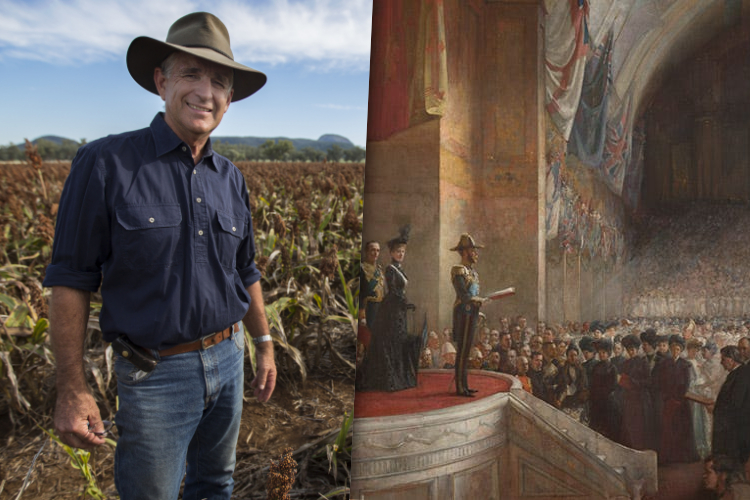
John Anderson warns that Australia’s decline is rooted in spiritual and cultural disintegration, calling for a recovery of Christian foundations, social cohesion and national purpose.

8 October 2026
4.1 MINS
Aboriginal communities in Central Australia already know the gospel message. What they need now, Robyn Murray writes, is discipleship, encouragement and Christians willing to pray and participate.
8 October 2026
4.1 MINS
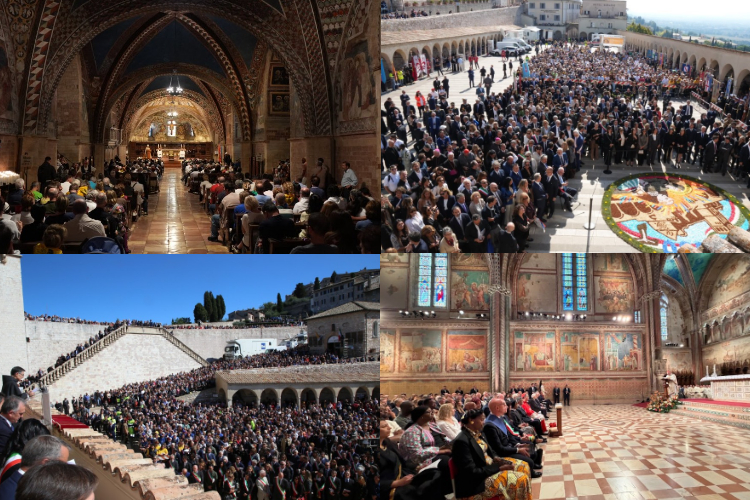
Italy honours St Francis of Assisi 800 years after his death, celebrating a saint whose devotion to Christ, radical simplicity and message of peace continue to shape generations.

8 October 2026
4 MINS
Christ’s authority and concern is not limited to the four walls of the church. They extend to the life of the nation, and we are called to take up our part in seeking its righteousness.
7 October 2026
1.5 MINS
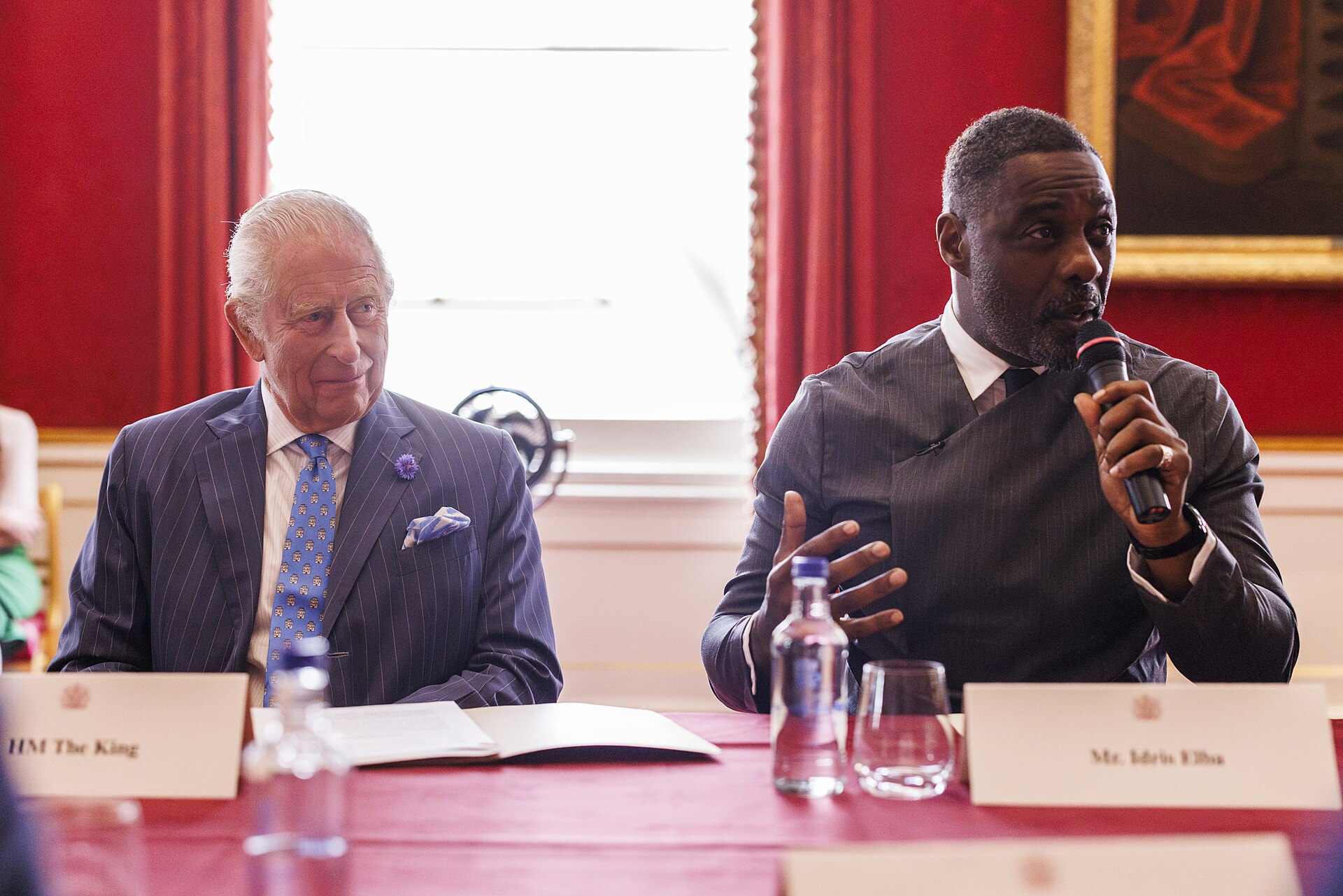
Across the Middle East, North Africa and Anatolia, Christianity once shaped entire civilisations. Could Britain’s Christian heritage likewise become a memory rather than a reality?

7 October 2026
6 MINS
What can Tucker Carlson’s interview with Jacob Rees-Mogg teach us about political disagreement? Their clash over war, Russia and national defence highlights the importance of listening carefully and understanding an opponent’s position before attempting to refute it.
7 October 2026
8.5 MINS
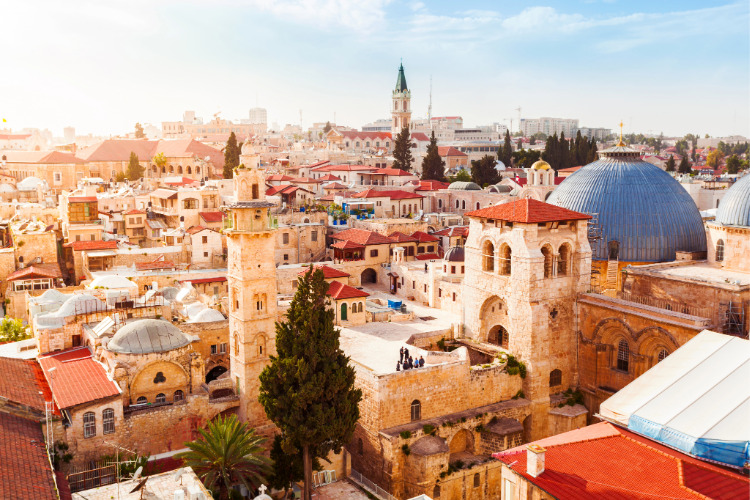
Gerald McDermott’s work challenges Christians to approach Israel through Scripture first, exploring God’s covenant faithfulness, Christian Zionism, Jewish identity and antisemitism.


