


The Popular Beliefs that Erode True Inclusivity
Secular attempts to force inclusivity upon everyone are anything but inclusive. Why is this so? Let us examine the underlying assumptions of this totalitarian worldview.
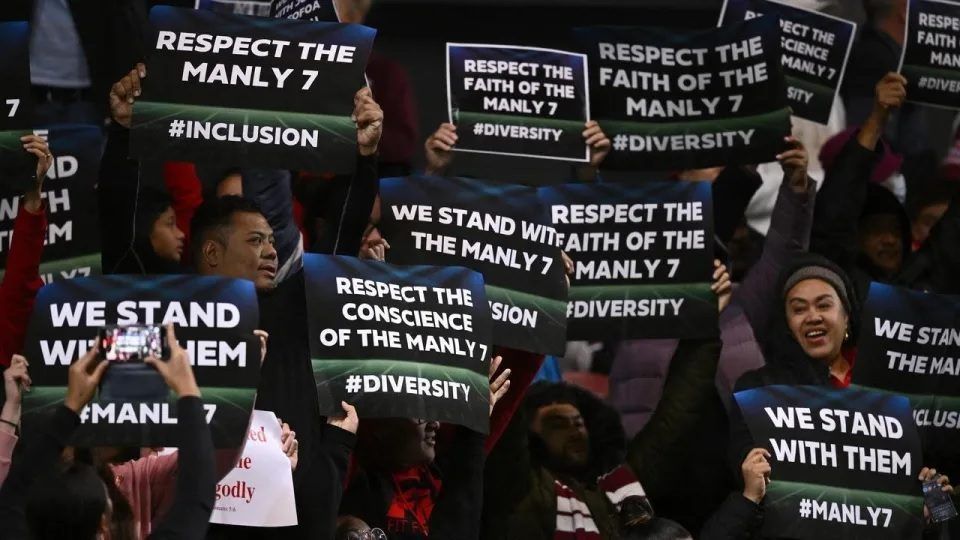
Inclusivity has become a hot topic of conversation since the Manly Sea Eagles Pride Jersey Saga.
The Manly NRL club desired to be inclusive in mandating their players wear the Pride Jersey. And yet, they excluded seven of their players who refused to do so on conscience grounds. As we step back and think about it, here are some of the popular beliefs that underpin the modern secular view of ‘inclusivity’.
And these beliefs lead to anything but inclusivity:
1) Disagreement equals hate
When it comes to some topics — especially gender and sexuality — many argue that disagreement with LGBTIQ views means hating LGBTIQ people.
According to this view, if a Christian believes in the Bible’s design for marriage and sexuality, he must hate anyone who lives differently, from the de facto couple next door to his lesbian colleague.
But the view of ‘disagreement equals hate’ presents all sorts of problems:
-
Can’t parents who disagree with their wayward teenager still love them?
-
Can people who disagree on deeply held issues — such as religion, politics, and sexuality — be friends?
It’s not easy to disagree over contentious issues. But it is possible.
Look at the life of Jesus: here we see a person who reached out and loved people He disagreed with, with a love that blows us away. Jesus disagreed with people. But He didn’t hate them.
Disagreement does not always equal hate. (Often, it can be the most loving thing we can do).
2) Diversity is essential, except for diversity of thought
Diversity is a popular buzzword.
Manly intended to celebrate diversity through its Pride Jersey. Except it left out a critical component of true diversity: diversity of thought.
If you disagreed with the Pride Jersey and what it represented — if you have diversity of thought — then you were excluded.
That’s hardly diversity.
And this double standard was noted a few years ago by LGBTIQ activist Dawn Grace-Cohen, when she wrote:
Resorting to bully tactics now against people who oppose us betrays that [Same sex marriage] victory. We have asked the country to celebrate our diversity, but that means we must also celebrate diversity of opinion.’
3) A person’s conscience only matters if we agree with them
Traditionally speaking, a person’s conscience was a big deal.
We respected conscientious objectors when it came to military service. Or for medical procedures like abortion. Or for religious freedom. We tried to make space for people’s consciences (albeit imperfectly), because we believed that people shouldn’t be forced to go against their consciences unless there was a compelling reason (e.g. public safety), and then only in the least restrictive way.
But conscientious objection seems less respected these days, especially when it goes against the grain of LGBTIQ views (as the Manly 7 found out firsthand).
4) If I disagree with what you say, I have a right to censor and cancel you
Long gone are the days of people saying, ‘I disagree with what you say, but I will defend to the death your right to say it’.
You risk being cancelled when you raise your voice against the prevailing orthodoxy on sexual and gender matters (along with other politicised issues such as climate change or race). As several intellectuals from both sides of the political divide have pointed out:
Editors are fired for running controversial pieces; books are withdrawn for alleged inauthenticity; journalists are barred from writing on certain topics; professors are investigated for quoting works of literature in class; a researcher is fired for circulating a peer-reviewed academic study; and the heads of organisations are ousted for what are sometimes just clumsy mistakes. Whatever the arguments around each particular incident, the result has been to steadily narrow the boundaries of what can be said without the threat of reprisal.
5) The world is divided into good people and evil people
According to the increasingly mainstream views of Social Justice Theory, our world is neatly divided into evil people — the oppressors — and good people (the oppressed).
You’re either one or the other.
And if you’re an oppressor, traditional rights and norms (such as freedom of speech and religion) no longer apply to you. Upholding such rights are seen to harm vulnerable minorities and should be removed.
That doesn’t exactly lead to an inclusive society.
6) We can misrepresent and exclude people we disagree with
Truth and respect in public debate no longer matter.
Again, LGBTIQ activist Grace-Cohen puts this well:
When we are not demanding compliance with our own view, many Australians habitually attack a person with an alternative view, rather than countering with a reasoned argument.
We mock rather than debate. We use slut-shaming or racist, ageist and sexist slurs. We don’t listen for the grain of truth in the opposition’s perspective because we cannot bear the discomfort of there being no easy answer. We cannot wait for the resolution to emerge.
In other words, we want to exclude people we disagree with.
Those aren’t inclusive behaviours.
7) Religious organisations like Christian schools should not be allowed to select staff who are… religious
Political parties like Labor can select staff that only hold to their political values.
Activist organisations like Greenpeace can hire staff who only hold to their views on the environment and climate change. Cultural organisations like Hungarian scouts (yes, I grew up being a member) are free to hire leaders who are… Hungarian.
But it’s becoming harder for religious organisations — including religious schools — to only hire people who hold to the religious ethos of the organisation.
Why the double standard?
Whatever the reason, it excludes religious people from living out their faith in community with like-minded believers.
That doesn’t make for an inclusive society.
___
Originally published at AkosBalogh.com. Photo: Yahoo! Sport
Recent Articles:
19 October 2026
12.4 MINS
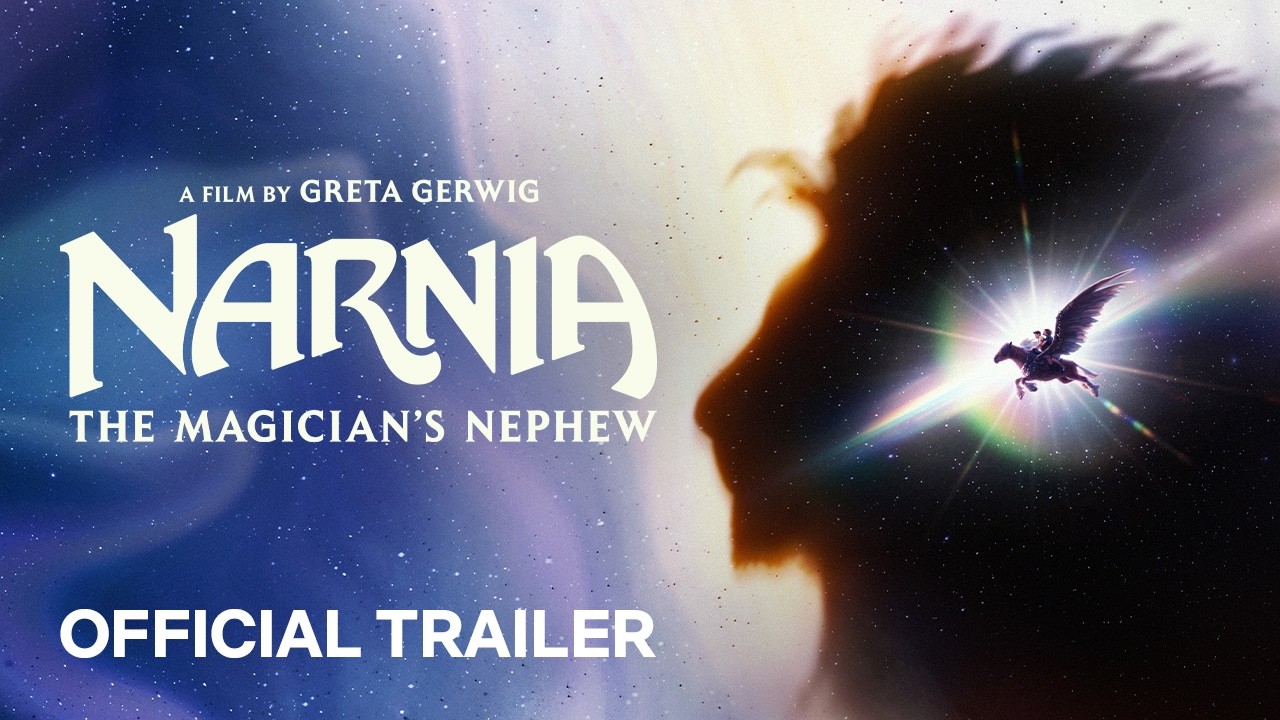
Greta Gerwig’s "Narnia: The Magician’s Nephew" trailer raises questions about C. S. Lewis’s Christian vision and the faithfulness of the new Netflix adaptation. Here are my initial impressions and concerns.
19 October 2026
3 MINS
Paul prayed that we would be awakened to a deeper revelation of the Father and who we are in Christ, so that we will make Jesus known to others more passionately.
18 October 2026
2.7 MINS
Every season of life belongs to Christ, and we don't retire from discipleship as we grow older. In fact, our older years hold unique gifts for the younger generations.
17 October 2026
3.4 MINS
Seeking the face of God means surrender, laying aside our agenda and wants. Revival begins when we want God himself more than we want the outcome.
16 October 2026
4 MINS
A desperate Victorian Labor Party is peddling taxpayer-funded abortions as free “healthcare”. In a shameless attempt to stay in power, they're willing to do anything — including killing the unborn and forcing taxpayers to pay for it.
16 October 2026
4 MINS
Katie Zacharia’s first days as White House Press Secretary have sparked fierce media criticism, but her remarkable testimony of surviving an abortion attempt tells a deeper story.
16 October 2026
3.4 MINS
Australia’s proposed digital duty of care laws promise greater online safety and increased user control by switching off algorithms, but critics warn they could give ministers sweeping powers to restrict lawful content and threaten free speech.


